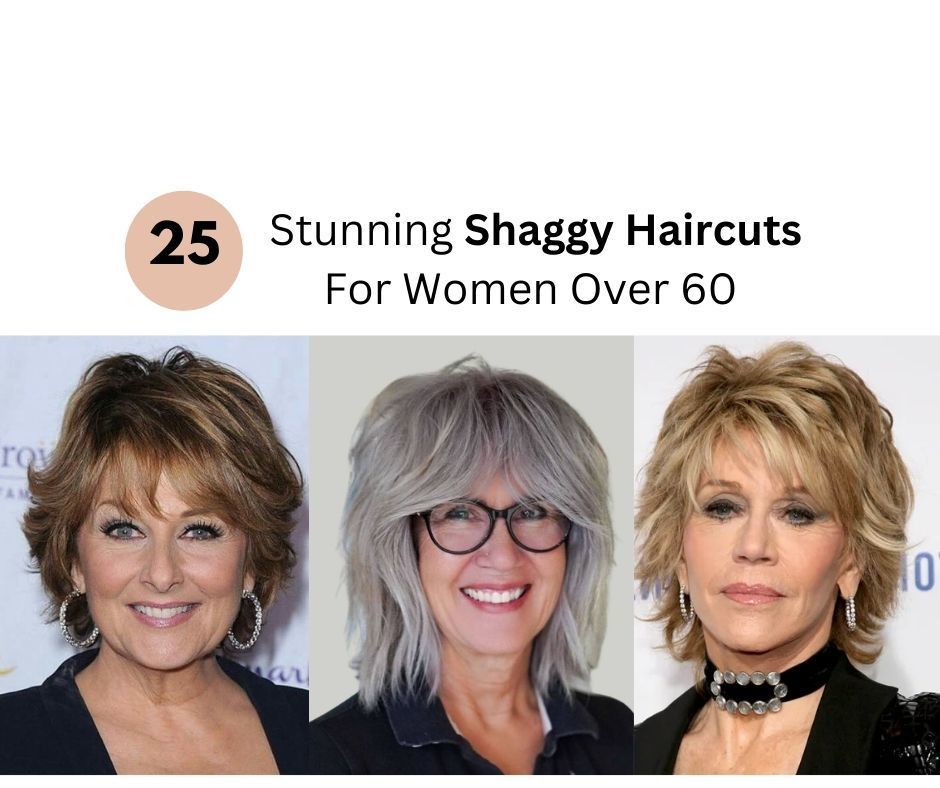
The Ultimate Rebellion Guide to the Shaggy Hairstyle: How Layered Chaos Became Timeless
The Ultimate Rebellion Guide to the Shaggy Hairstyle: How Layered Chaos Became Timeless
The shaggy hairstyle, characterized by its deliberately uneven layers and textured fringe, has oscillated between countercultural defiance and mainstream chic since its emergence in the mid-20th century. Originally a statement of rebellious nonconformity, the cut has been reinterpreted across generations, proving its adaptability from the bedroom heads of the 1960s to the glossy runways of the 2020s. This article examines the historical evolution of the shag, analyzes the technical methods that create its distinctive movement, and explores its enduring cultural resonance within fashion and identity.
The term "shag" refers to a specific haircutting technique rather than a singular aesthetic, defined primarily by its layering. Unlike blunt cuts that maintain a single weight line, the shag incorporates multiple internal layers that remove weight from the mid-lengths and ends, creating a piecey, voluminous outline. This structure allows the hair to move with a seemingly chaotic energy, offering a versatility that appeals to those seeking texture over strict discipline.
The Genesis of Rebellion: 1960s Origins
The modern shag did not appear in isolation; it was a product of specific cultural and social shifts in the 1960s. As the strict conformity of the 1950s gave way to the questioning of traditional values, the haircut emerged as a visual rejection of established norms. Long hair for men, in particular, became a symbol of dissent, and the shag provided a practical alternative to the more severe bouffants favored by the era’s mainstream.
The exact origins of the style are debated, but it is widely associated with the British Invasion and the influx of American youth culture. The cut allowed for a certain roughness that complemented the gritty energy of emerging rock music. It was a do-it-yourself aesthetic that did not require the precision of a barber, but rather the confidence to let the hair fall naturally.
The Influence of the 1960s Underground
During the mid-1960s, icons of the British mod and rock scenes adopted variations of the shag. Musicians used the look to signal their distance from the pop idealism of the previous decade. The layers absorbed the volume of an afro while maintaining a sense of order, making it a practical choice for musicians on the road. The look suggested a life lived outside the office, away from the constraints of corporate culture.
This period cemented the shag’s association with intellectualism and artistic freedom. It was a haircut for poets and painters, for those who frequented coffee houses rather than country clubs. The texture of the cut allowed for a personal expression that was not dictated by trends, but by personal philosophy.
The Golden Age and Cultural Permeation: 1970s
If the 1960s introduced the shag, the 1970s solidified it as a dominant force in global fashion. The decade’s love for flowing fabrics and natural textures found a perfect counterpart in the shaggy mane. The cut moved from the fringe of society to the center of popular culture, largely thanks to television and the burgeoning celebrity culture.
The shag became synonymous with the "California look," a style that emphasized health, leisure, and a connection to nature. It was less about rebellion and more about a relaxed, affluent lifestyle. The layers provided movement that was photogenic and dynamic, making the hairstyle a staple of the era's beauty standards.
Key Cultural Touchstones
Several specific moments and figures propelled the shag into the mainstream consciousness during the 1970s:
1. **Jane Fonda:** The actress’ portrayal of a liberated woman in films like "Klute" and "The China Syndrome" often featured the shaggy look, framing it as a symbol of modern female independence.
2. **The Disco Era:** While often sleek, the best disco hair needed texture. The shaggy weave provided the necessary grip and volume to survive a night of sweating under mirror balls, resisting the flattening effects of oil and sweat.
3. **The "70s Shag":** This specific variation became the template. It was longer at the top and graduated shorter toward the neck, with heavy bangs that swept to the side. It was a hairstyle that framed the face beautifully, regardless of gender.
The Decline and Deconstruction: 1980s and 1990s
The shag’s popularity waned significantly in the 1980s. The era’s fascination with power dressing and rigid geometry favored cleaner lines and smoother surfaces. The messy, piecey nature of the shag was seen as antithetical to the structured shoulder pads and polished perms of the decade. The haircut was largely relegated to the realm of older generations or specific subcultures that clung to the remnants of the 1970s.
The 1990s presented a mixed bag for the shag. While the "Rachel" haircut from "Friends" brought a version of the layered look back into the spotlight, it was a more refined, golden-hued version of the original. The raw, textured shag of the 70s was often viewed as dated. However, the underlying principle of layering remained a staple in professional salons, hidden beneath the more fashionable blunt cuts and razor-straight styles.
The Revival and Reinterpretation: 2000s to Present
Fashion is cyclical, and the shaggy hairstyle has undergone a significant and surprising revival in the 21st century. However, this modern interpretation is distinct from its predecessors. It is less about the uniform "shag" of the past and more about the technique of layering applied to a wider variety of hair types and lengths.
Today, the shag is less a uniform style and more a principle of cutting. It has been adapted for the curly-haired community, where the "deva cut" uses layering to remove bulk and encourage curl pattern without frizz. For those with straight hair, the "shag" often refers to a textured, choppy cut that creates movement and removes weight, rather than the heavy, blunt fringe of the 70s.
Modern Variations and Celebrity Influence
Contemporary renditions of the shag demonstrate the style’s incredible range:
* **The Shaggy Lob (Long Bob):** This is perhaps the most common modern iteration. It sits just above the shoulders, incorporating soft layers that create a tousled, undone look. It is the go-to cut for those who want the vibe of long hair without the weight and maintenance.
* **The Pixie Shag:** A radical departure from the long-haired original, this version takes the principles of layering and texture and applies them to very short hair. The result is a dynamic, edgy look that offers the same volume and movement as its longer cousin.
* **The Curly Shag:** Specifically designed for curly or coily hair, this cut uses layering to define curls and remove excess bulk from the pyramid shape that often forms at the back of the head.
Hair stylists have noted the shift in client demand. "We are seeing a huge demand for texture and movement," says celebrity hairstylist **Maria Gonzalez**. "Clients no longer want the helmet look of the 1980s or the super blunt cut of the 2010s. They want something that looks effortless, and the modern shag provides that lived-in, cool aesthetic."
The Technical Anatomy of the Shag
What distinguishes a shag from other layered haircuts is the specific way the hair is cut. The primary goal is to create a piecey, textured outline that moves as a unified whole.
1. **Point Cutting:** This is the primary technique. Instead of using straight scissors to cut bluntly, the stylist holds the scissors at an angle and cuts into the ends of the hair. This breaks up the hard line, creating a softer, feathered edge.
2. **Layering:** The hair is divided into sections, and varying lengths are cut to remove weight. The top layers are typically longer than the sides and back, creating the signature shape that falls forward over the forehead.
3. **Thinning:** To prevent the hair from becoming a bulky triangle, thinning shears may be used. These scissors have notched blades that remove individual hairs, allowing the style to lay flatter and move more freely.
Ultimately, the shaggy hairstyle endures because it offers a paradox: it looks effortlessly messy but requires a skilled hand to execute properly. It is a testament to the idea that beauty does not have to be severe to be sophisticated.
Related Post