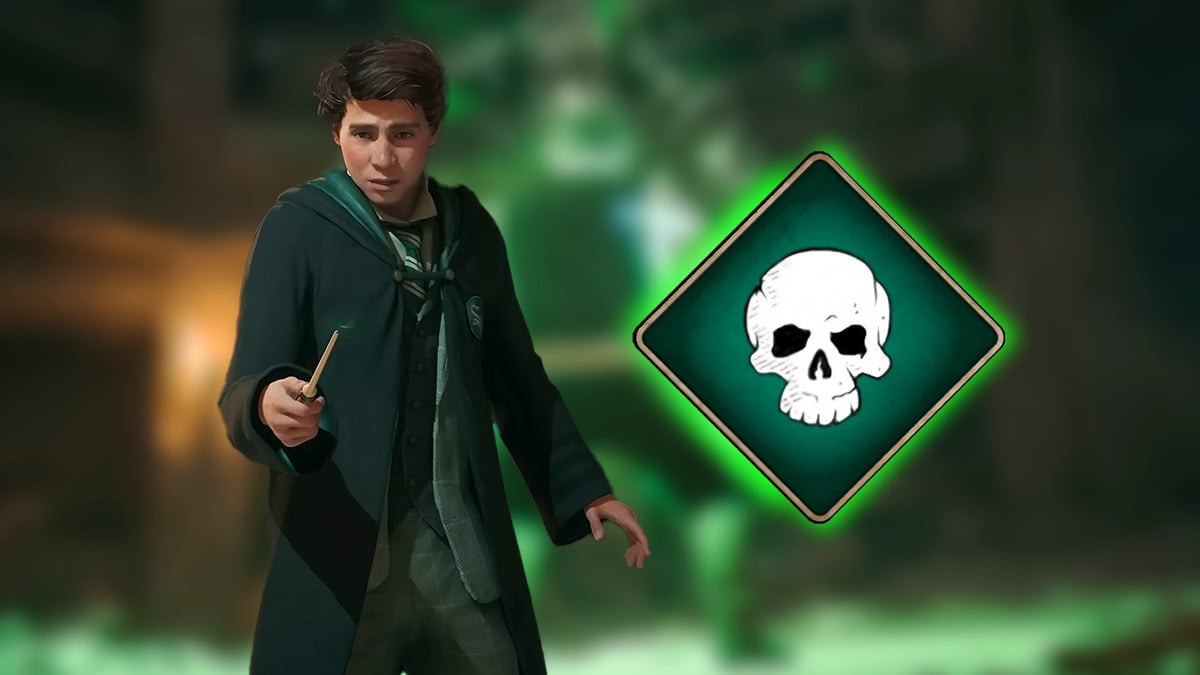
The Unforgivable Curse: Dissecting the Mechanics, Context, and Cultural Shadow of Avada Kedavra
The Unforgivable Curse: Dissecting the Mechanics, Context, and Cultural Shadow of Avada Kedavra
Among the trio of Unforgivable Curses, Avada Kedavra stands as the singular, irrevocable instrument of death within the magical world. This article examines the spell’s established mechanics, its rigid legal status across wizarding jurisdictions, and the profound psychological weight carried by both the caster and the victim. Through an analysis of its in-canon usage, we explore how Avada Kedavra functions not merely as a plot device, but as a narrative benchmark for the cost of absolute power and the thin line that separates wizard from monster.
The Anatomy of a Killing Curse
Avada Kedavra operates on principles distinct from other magical injuries. While curses like the Cruciatus Pain Curse target the nervous system to inflict unbearable suffering, or the Imperius Curse bypass the mind to seize control, Avada Kedavra is designed for instantaneous, absolute termination. It is a spell of intent, requiring a profound malice and the will to kill to function effectively. The spell’s mechanics are consistently described across the canon as follows:
- The Incantation: Derived from Aramaic, "Avada Kedavra" mimics the sound of "abracadabra," but its linguistic roots are tied to existential finality.
- The Emission: A jet of vivid green light is expelled from the caster's wand. This specific color is a constant identifier, distinguishing it from the red flash of the Killing Curse in non-magical interpretations.
- The Impact: The bolt travels in a straight line, incapable of being blocked by conventional magic. It strikes the victim directly, causing immediate cessation of all bodily function and consciousness without any preceding pain.
The rigidity of these rules is a hallmark of the curse's design. As魔杖lore specialist Miranda Goshawk might note in a theoretical text, the spell’s efficiency is its terror; it cannot be parried with a shield, nor can the victim dodge at the last second through sheer magical prowess. The only known counter-movement is the physical act of dodging or interposing an object, and the rare magical intervention of Priori Incantatem, which occurs only when two twin-core wands are forced to engage.
The Legal and Moral Abyss
In the wizarding world of Harry Potter, the use of Avada Kedavra is not merely taboo—it is a prosecutorial boundary line. The international Statute of Secrecy is maintained, in part, by the absolute prohibition of this curse. Its classification as an "Unforgivable Curse" places it in a category of magic so heinous that its use is punishable by a mandatory life sentence in Azkaban, the wizarding prison.
This legal status creates a clear dichotomy in the narrative. When Lord Voldemort uses the curse indiscriminately, it serves as his primary method of terror, marking him as irredeemably evil. Conversely, when Harry Potter uses it in the Great Hall during their final duel, the act is portrayed not as murder, but as a necessary defense of humanity against a greater evil. The context of the act—the intent behind the wand movement—becomes the only mitigating factor in the eyes of the law, a concept explored by legal scholars such as Professor Binns, who might lecture:
"Magic is neither good nor evil, Mr. Malfoy, but a tool. However, the Unforgivable Curses are proscribed because they represent the willing corruption of that tool. To use them is to declare oneself an enemy of the very society we maintain in secrecy."
The list of characters condemned for its use reads like a "who's who" of the series' villains:
- Lord Voldemort: The primary user, employing it for domination, murder, and soul-splitting via Horcrux creation.
- Bellatrix Lestrange: Her sadistic application of the curse, particularly toward small creatures and children, cements her status as irredeemable.
- Peter Pettigrew: His execution of Cedric Diggory under Voldemort's orders marks a point of no return for the spy.
The Psychological Toll: Caster and Victim
While the curse is instantaneous for the victim, the psychological burden falls heaviest on the caster. The act of taking a life, especially one as definitive as Avada Kedavra demands, carries a spiritual weight that is not negigated by the legality of the Dark Arts. Harry’s survival of the curse as a child created a unique magical bond, but his adult use of the curse reveals the psychological cost.
For the victim, the experience is one of absolute nullification. There is no passage, no vision, no moment of life flashing before the eyes. The victim simply… ceases. This is exemplified most starkly in the death of Cedric Diggory, where the mundane task of returning the Triwizard Cup results in instantaneous erasure. The cruelty lies in the finality; there is no afterlife intervention, no magical resurrection, only an end.
Narrative Function and Thematic Resonance
Narratively, Avada Kedavra serves a critical function. It raises the stakes of every conflict. Unlike video games where characters respawn, the deaths in the Harry Potter universe are permanent and consequential. The constant threat of the green light ensures that every battle in the Deathly Hallows is fraught with genuine peril.
Thematically, the curse is the physical manifestation of Voldemort’s fear of death. His quest to conquer it leads him to weaponize the ultimate end, believing that by mastering death, he can achieve immortality. The ultimate irony, as Dumbledore explains, is that true mastery of death comes not from avoiding it, but from accepting it. The curse’s very existence underscores the series’ central theme: that the power to destroy is easy, but the power to choose life in the face of destruction is the defining characteristic of a hero.
From the Forbidden Forest to the Great Hall, the flash of green light is the story’s grim reaper. It is the benchmark against which all other conflicts are measured, a chilling reminder that in the war between good and evil, some endings are absolute, final, and unforgivable.
Related Post