The Unlikely Redemption of Adrian Pimento: How the Brooklyn Nine-Nine Undercover Detective Found His Way Back
The Unlikely Redemption of Adrian Pimento: How the Brooklyn Nine-Nine Undercover Detective Found His Way Back
Adrian Pimento, the volatile detective of the Brooklyn precinct whose storyline oscillated between chaotic instability and unexpected brilliance, serves as a compelling case study in the psychology of long-term policing. His journey, marked by a twelve-year undercover operation that fractured his psyche and a subsequent struggle to reintegrate into normal police work, offers a rare glimpse into the lasting trauma experienced by officers operating in deep cover. This article explores the narrative construction of Pimento’s character, analyzing the specific challenges he faced and the darkly comedic coping mechanisms that defined his unique, and often tragic, contribution to the Nine-Nine.
The Setup: Twelve Years in the Rabbit Hole
The premise of Adrian Pimento’s introduction to *Brooklyn Nine-Nine* is built on a foundation of institutional abandonment. For twelve consecutive years, he was embedded deep undercover, a necessary operation that isolated him from his colleagues and the outside world. The psychological toll of such an assignment is not merely a plot device; it is a realistic portrayal of the immense strain placed on an individual’s identity and social skills.
Upon his return to the precinct, Pimento was not the same man. The skills that made him effective in the field—hyper-vigilance, a disregard for social norms, and an ability to think like a criminal—were now liabilities in a structured, bureaucratic environment. His character immediately presented a paradox: a brilliant detective rendered socially dysfunctional by his success.
Key Elements of His Isolation
- Loss of Social Connection: He had no one to debrief with, leading to a skewed perception of reality and interpersonal relationships.
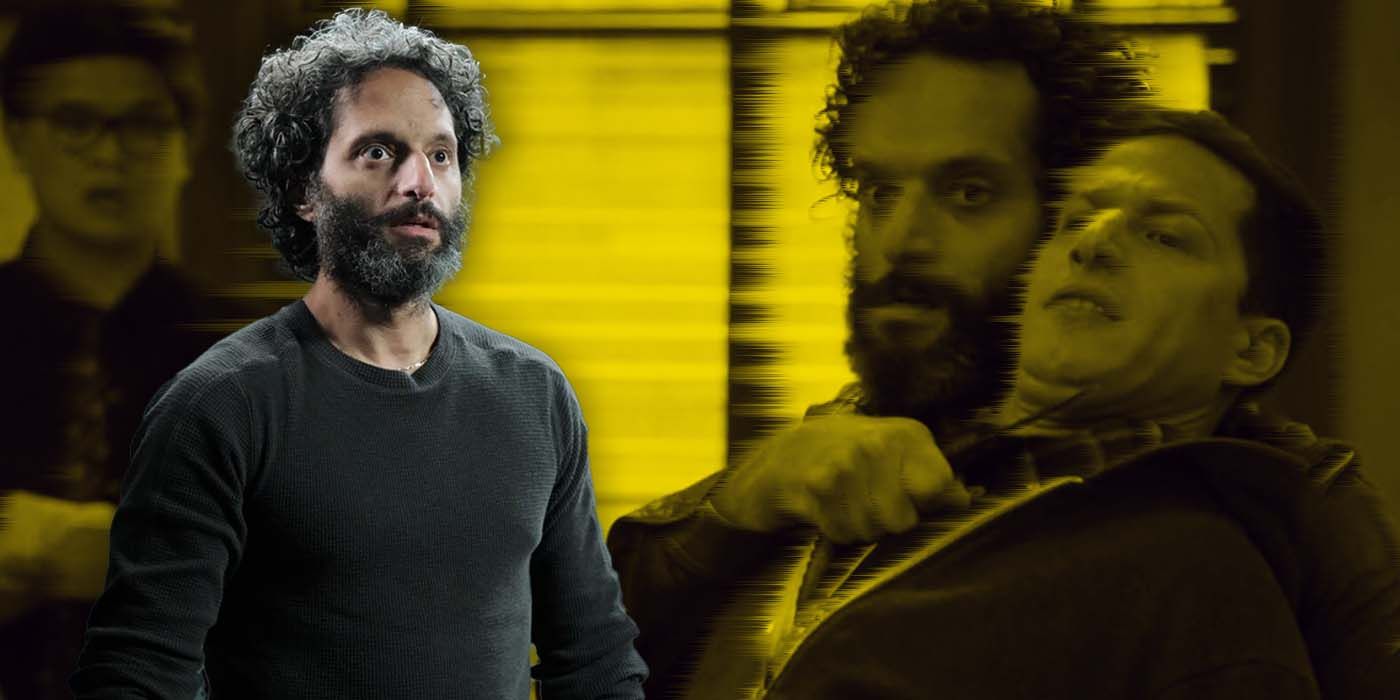
- Obsessive Behavior: His time in the field manifested in peculiar hobbies, such as taxidermy and an intense, unsettling fixation on the color yellow.
- Paranoia and Distrust: The nature of his undercover work bred a constant suspicion of everyone, including his own captain.li>
The Return: Chaos as a Coping Mechanism
Pimento’s return to the Nine-Nine was less a homecoming and more a collision with a world he no longer understood. His methods were erratic, his outbursts were frequent, and his attempts to bond with the squad were often misguided and creepy. Instead of relearning the job, he seemed intent on forcing the precinct into his warped worldview. This phase of his character was defined by a frantic, almost feral energy, a man trying to claw his way back to normalcy by rejecting it entirely.
He became the precinct’s resident chaotic neutral. While his colleagues dealt with crimes ranging from grand theft to kidnapping, Pimento brought a unique flavor of insanity. His presence served as a counterpoint to the more stable, procedural nature of the show, injecting a dose of raw, unpredictable anxiety into the squad room.
Defining Characteristics of His Reintegration
- The "Cracking" Phase: He spoke in rapid, disjointed bursts, often punctuating his sentences with unsettling laughter.
- Unwanted Intimacy: He had no filter, blurting out personal information or making invasive comments, highlighting his complete lack of social calibration.
- Unreliable Narrative: His stories were often contradictory, leaving the audience and the squad unsure of what was true and what was a byproduct of his fractured mental state.
The Nuance: Brilliance Amidst the Breakdown
Despite his apparent unraveling, the writers ensured that Pimento remained a capable detective. His brilliance was never entirely extinguished. In several episodes, his chaotic nature cut through red tape and conventional thinking, allowing him to solve cases in ways the more methodical squad members could not. This duality is what made the character so fascinating. He was not just a joke; he was a wounded animal who could still perform when it mattered most.
The humor often derived from the contrast between his feral instincts and his moments of unexpected clarity. While Jake Peralta was chaotic for the sake of being cool, Pimento’s chaos was born of genuine, untreated trauma. This distinction added a layer of pathos to his otherwise absurd antics.
Moments of Clarity
- Case Work: Instances where his unique perspective, born from his time as a "ghost," allowed him to see angles others missed.
- Sudden Loyalty: Despite his general instability, he demonstrated fierce, albeit strange, loyalty to the squad when they were genuinely in danger.
- Self-Awareness: Brief moments where he seemed to recognize his own brokenness, offering glimpses of the man he used to be before the twelve years were lost.
The Coda: A Search for Peace
Pimento’s eventual departure from the Nine-Nine was as poignant as his introduction. He chose to leave the chaos of the precinct behind, opting for a quiet life in a cabin in the woods. This decision was not a defeat but a form of self-preservation. It was an acknowledgment that he could not function within the system that had failed him for over a decade. His final interactions were marked by a sense of peace, a stark contrast to the frantic energy that had defined his tenure.
He found a semblance of the normalcy he had been denied. By removing himself from the environment that constantly triggered his paranoia and trauma, he was able to find a quiet solitude. This ending, while sad, was a necessary and logical conclusion to a character whose entire arc was about the search for stability after profound instability.
Related Post
The Man, The Myth, The Detective: Everything You Need to Know About Adrian Pimento from Brooklyn Nine-Nine
Meet Adrian Pimento: The Actor Behind Brooklyn 99's Wild Card Character

Meet Adrian Pimento: The Brazilian MMA Fighter Redefining the Sport


