The Unofficial Transcript Rutgers Guide: How Students Access and Interpret Their Academic Records
The Unofficial Transcript Rutgers Guide: How Students Access and Interpret Their Academic Records
At Rutgers University, an unofficial transcript serves as a real-time academic snapshot for students navigating their educational journey. These documents provide a comprehensive view of completed coursework, earned grades, and accumulated credits without the official seal or signature. This guide explains how students access these records, what information they contain, and how they differ from official documents used for external verification.
The digital transformation of academic record-keeping has made unofficial transcripts more accessible than ever for Rutgers students. Technology has streamlined the process, allowing students to monitor their academic progress independently. Understanding this system empowers students to take ownership of their educational records and make informed decisions about their academic pathways.
What Constitutes an Unofficial Transcript at Rutgers
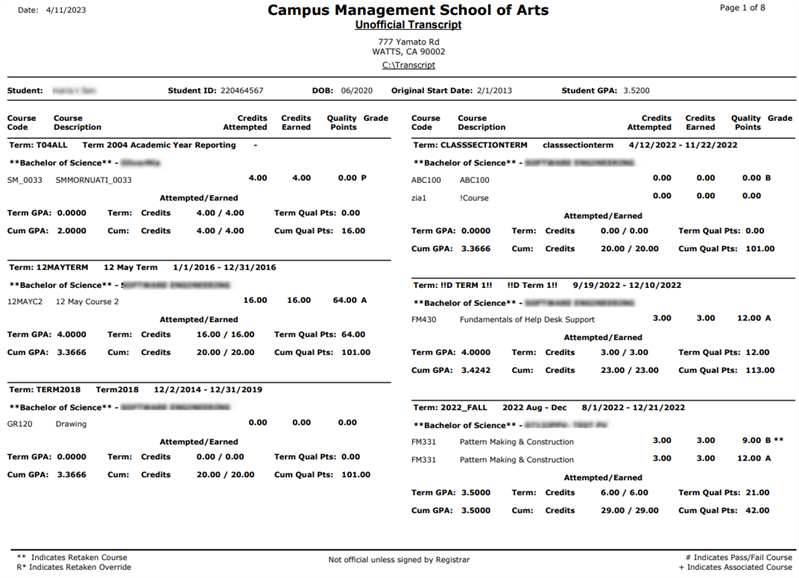
An unofficial transcript from Rutgers contains the same core academic information as its official counterpart, but with key accessibility differences. Students can view their complete academic history including course codes, section numbers, credit hours, and letter grades through the student information system. The document typically displays semester-by-semester enrollment details along with cumulative grade point average calculations.
These transcripts include all academic work completed at Rutgers campuses, including New Brunswick, Newark, and Camden locations. Courses taken through Rutgers Online appear alongside traditional in-person courses in the same format. The system also shows repeated courses with both attempts displayed, though typically only the most recent grade factors into GPA calculations.
Key Components of Rutgers Unofficial Transcripts
- Student identification information including name and Rutgers University ID number
- Complete course listing with subject codes, course numbers, and section identifiers
- Credit hours earned and attempted for each academic term
- Letter grades for each completed course
- Cumulative GPA calculated according to Rutgers academic standards
- Academic milestones such as graduation status and degree progress
The layout follows a standardized format that remains consistent across Rutgers campuses. This uniformity allows students who transfer between Rutgers institutions to easily understand their academic standing. Dates of attendance appear alongside each semester or quarter designation.
Accessing Your Unofficial Transcript Online
Rutgers students access their unofficial transcripts through the Rutgers Student Information System (SIS). This secure portal requires standard university login credentials including NetID and password authentication. Once logged in, students navigate to the academic records section where transcript options appear.
The Self-Service portal provides 24/7 access to academic records from any internet-connected device. Students can download PDF copies of their unofficial transcripts directly from this interface. The system maintains a complete history of all academic terms since initial enrollment at Rutgers.
Step-by-Step Access Process
- Navigate to the Rutgers SIS login page using the university's official URL
- Enter your NetID credentials and complete any required authentication steps
- Select "Student Center" or equivalent academic records dashboard option
- Choose "Academic Records" or "Transcript" from the available menu items
- Select "View Unofficial Transcript" and confirm any prompt parameters
- Download the PDF file or save the on-screen version for reference
Technical support services are available through Rutgers Technology Services for students experiencing access issues. The university recommends using the latest versions of common web browsers for optimal compatibility. Students encountering persistent login problems should contact the Rutgers Computing Helpdesk directly.
Differences Between Official and Unofficial Transcripts
The primary distinction between official and unofficial transcripts lies in their authentication status. Official transcripts bear the university seal, registrar signature, or other security features that verify their authenticity. These documents serve as legal verification of academic credentials for employers, graduate schools, and licensing boards.
Unofficial transcripts provide the same academic information but lack these authentication elements. Students may print unofficial transcripts at home or access them digitally without restriction. Many academic advisors encourage students to review unofficial transcripts regularly for progress monitoring.
When to Use Each Type
- Unofficial transcripts: Academic planning, degree audits, personal record-keeping, advisor meetings
- Official transcripts: Job applications, graduate school admissions, professional licensure, scholarship applications
Students requesting official transcripts must submit formal requests through the appropriate university office. Processing times vary depending on campus operations and verification requirements. Some Rutgers campuses charge fees for official transcript production while others include this service in tuition costs.
Common Uses for Unofficial Transcripts
Students regularly use unofficial transcripts for academic planning purposes. These documents help students track degree progress toward graduation requirements. Advisors use them during academic planning sessions to identify appropriate course sequences and potential scheduling conflicts.
The documents serve as valuable tools during academic probation reviews. Students on academic notice can monitor their progress toward meeting required GPA thresholds. Departmental advisors may require transcript reviews before approving major changes or advanced coursework registration.
Transfer Credit Evaluation
Students who transfer from other institutions use unofficial transcripts from previous schools alongside their Rutgers records. Academic advisors evaluate these documents to determine which courses satisfy Rutgers requirements. The evaluation process helps students avoid duplicating coursework and reduces time to degree completion.
Rutgers maintains specific transfer credit policies that vary by campus and program. Some general education requirements may fulfill similar categories across institutions. Students should consult with academic advisors early in their Rutgers career to maximize transfer credit acceptance.
Technical Considerations and Troubleshooting
Students occasionally encounter technical issues when accessing their unofficial transcripts online. Browser compatibility problems may prevent proper display or downloading of transcript documents. Rutgers Technology Services provides browser compatibility information and troubleshooting guides on their official website.
PDF viewer applications sometimes interfere with proper transcript display on student devices. Students experiencing formatting issues should verify they have current PDF reader software installed. The university typically recommends specific PDF viewers that work optimally with their document systems.
Document Retention Best Practices
- Save multiple copies of downloaded transcripts in different locations
- Maintain both digital and printed versions for important academic applications
- Note the date of transcript generation for time-sensitive applications
- Verify that all expected coursework appears correctly before submission to third parties
Students should be aware that unofficial transcripts downloaded from Rutgers systems reflect the information available at the time of generation. Subsequent grade changes or academic updates may require generating a new transcript version. The university typically maintains transcript records for several years after graduation or withdrawal.
Future Developments in Academic Record Management
Rutgers continues to enhance its academic record systems through technology investments. The university explores blockchain-based verification systems that could reduce the distinction between official and unofficial documents. These innovations aim to streamline verification processes while maintaining security standards.
Digital transcript initiatives represent part of broader higher education trends toward paperless academic documentation. Some universities now offer blockchain-verified credentials that students can share directly with employers or educational institutions. Rutgers participates in industry discussions about standardizing these emerging technologies across higher education institutions.
Resources for Additional Information
Students seeking additional information about academic records at Rutgers should contact their campus academic advising office directly. Each Rutgers institution maintains dedicated staff members who specialize in academic record questions and transcript processes. The university's official website provides campus-specific contact information and procedural details.
Rutkers University's academic regulations document contains detailed information about transcript policies and academic record management procedures. Students should familiarize themselves with these university policies to understand their rights and responsibilities regarding academic documentation. Regular review of academic policies helps students navigate any procedural changes during their time at Rutgers.
Related Post

Unofficial Rutgers Transcript Reveals Shocking Insights Into Campus Mental Health Crisis
Inside The Unofficial Transcript Rutgers: How Students Decode Their Academic Records And Navigate The Maze