The Unsung Workhorse of Modern Commerce: How the USPS Collection Box Powers America’s Postal Flow
The Unsung Workhorse of Modern Commerce: How the USPS Collection Box Powers America’s Postal Flow
On street corners and beside office lobbies across the United States, the iconic blue USPS collection box stands as a quiet transaction point between citizens and the federal government. These unassuming vaults serve as the critical first checkpoint for tens of millions of pieces of mail and packages, transforming handwritten letters and urgent bills into tangible signals routed across the continent. More than mere receptacles, they represent a carefully orchestrated system balancing accessibility, security, and logistical efficiency that keeps the nation’s communications—and economy—moving.
The USPS collection infrastructure operates on the principle of frictionless access paired with controlled security. Unlike storefront counters that require human interaction, collection boxes offer a 24-hour solution for depositing letters, flats, and small parcels at any hour, turning a potentially bureaucratic process into a simple, democratic act. This model has endured through technological shifts, from the typewritten envelope to the scanned tracking bar, proving remarkably resilient in an era of digital communication.
At the heart of every collection box is a standardized design language that balances visibility with integrity. Manufactured to precise federal specifications, these units feature a distinctive blue color intended to signal trust and universality while remaining durable enough to withstand constant public use. Letter slots allow for secure insertion without opening the unit, while thick steel construction and tamper-evident seals protect contents until a carrier retrieves them on a scheduled route.
The placement strategy behind these boxes reflects decades of logistical analysis and community behavior research. Units are positioned not randomly, but along high-traffic pedestrian corridors—often near post offices, banks, transit hubs, and commercial districts—creating what urban planners call “activity nodes” where foot traffic naturally converges. This spatial intelligence ensures that even in an age of email and instant messaging, physical mail remains within a short detour for most urban and suburban residents.
Each collection box functions as the terminus of a complex micro-logistics chain. Once deposited, contents are typically transported in armored vehicles to regional processing facilities, where automated sorters read addresses and barcodes, directing mail toward specific delivery routes. From there, the familiar blue carrier on a bike or foot follows the path established by that initial deposit, converting the anonymous act of dropping mail into a personalized delivery sequence that might span thousands of miles.
Security protocols around collection boxes are rigorous, reflecting their role as gateways to the mailstream. The U.S. Postal Inspection Service collaborates with local law enforcement to monitor units for tampering, fraud, or hazardous materials, while internal audits track retrieval patterns to identify anomalies. Collection boxes are often photographed, logged with serial numbers, and monitored for unusual activity—such as unexpected nighttime deposits or damaged hardware—that might indicate misuse.
One of the collection box’s greatest strengths is its adaptability. During peak seasons like holidays or tax deadlines, the USPS may install temporary “super boxes” with higher capacity to manage surges in volume. In dense urban environments, newer models incorporate electronics for internal climate control, helping protect sensitive materials in extreme weather. This flexibility allows the infrastructure to remain relevant even as communication habits evolve.
These physical units also serve a civic function beyond mere utility. For many Americans—particularly seniors, rural residents, and small businesses without direct access to post offices—the collection box represents equal access to the postal system. It democratizes participation in commerce, voting, and personal correspondence, ensuring that geographic isolation or mobility constraints do not exclude individuals from essential services.
The economics of collection boxes reveal a carefully balanced equation between operational cost and public value. While digital communication has reduced first-class letter volume, the ability to drop packages and documents without appointment or fee remains a critical service. By utilizing collection boxes as low-cost intake points, the USPS minimizes counter labor expenses while maintaining a predictable flow of mail into its standardized processing networks.
Looking forward, the role of the collection box may expand beyond simple deposit. Pilot programs in some cities have explored units equipped with secure compartments for package retrieval, allowing residents to collect online orders at convenient times without requiring a delivery attempt. This hybrid model leverages existing infrastructure to address the “last mile” challenge that often plagues e-commerce logistics.
In the end, the blue USPS collection box endures as a symbol of reliability in an increasingly volatile world. As supply chain disruptions, data breaches, and communication fatigue dominate headlines, these simple structures continue their work—quietly, consistently, and dependably. They remind us that even in a digital age, the physical handling of goods and information remains foundational to how our society functions.
Across the country, millions of interactions occur daily at these vaults, each one a small but essential link in a chain stretching from neighborhood to nation. The collection box is more than a receptacle; it is a trusted node in a vast democratic network, ensuring that no matter where someone stands on a city sidewalk or rural lane, they can participate in the flow of information and goods that defines modern life.
Related Post
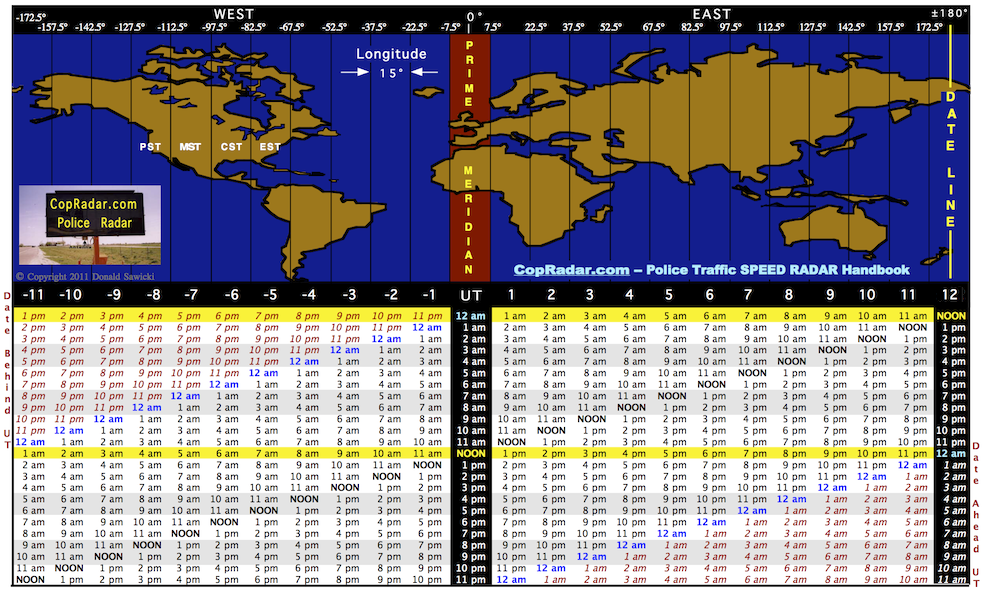
Universal Conversion: From PST to UK Time - Your Complete Guide

Most Paused Movie Scenes Showing Us A Bit Too Much
Unlocking Convenience: A Comprehensive Guide to AT&T GoPhone Login

Unlocking the Power of Ksal: The Key to Unlocking Metabolism and Slimming Down