The Untold Story of Bumpy Johnson: Harlem’s Godfather and the Untold Truths Behind the Myth
The Untold Story of Bumpy Johnson: Harlem’s Godfather and the Untold Truths Behind the Myth
Ellsworth Raymond Johnson, known infamously as Bumpy Johnson, dominated the heroin trade in Harlem during the mid-twentieth century, becoming a legendary figure in American organized crime. This article examines the verifiable facts of Johnson’s life, tracing his ascent through the numbers racket to his control of narcotics distribution, his complex relationship with the Italian Mafia, and his enduring, though often exaggerated, legacy in popular culture. Through court records, law enforcement reports, and interviews, we dissect the man behind the myth, separating the historical Bumpy Johnson from the folklore.
Johnson was born on October 31, 1905, in Charleston, South Carolina, though he would later claim Brooklyn as his birthplace. His early life was marked by hardship and a brush with the law; he was sentenced to a reform school in New York’s Coxsackie at age ten for an unspecified offense, a period that hardened him. By the time he reached Harlem in the 1920s, the neighborhood was undergoing a massive cultural transformation during the Harlem Renaissance, but for Johnson, it was another avenue for illicit enterprise. He initially partnered with numbers kingpin Madame Stephanie St. Clair, learning the intricate mechanics of illegal gambling that controlled the block. It was in this crucible of policy banking and street politics that he earned his enduring moniker, reportedly after his distinctive, rolling gait that resembled a "bumpy" ride.
His ascent to power was methodical and ruthless. While St. Clair ran the numbers, Johnson focused on enforcement and expansion, establishing a reputation for absolute reliability in collecting debts and eliminating traitors. His operations were not merely random violence; they were a calculated system of control.
* **Debt Collection:** Johnson’s enforcers were infamous for their precision. A debtor who failed to pay was not merely threatened; they were often visited in their homes, given a stark choice between payment or severe injury, and followed until the debt was settled.
* **Territorial Integrity:** He maintained strict control over Harlem’s illicit markets, viewing unauthorized dealers as a direct challenge to his authority.
* **Community Control:** Unlike some gangsters who extracted wealth without giving back, Johnson cultivated a complex image as a "Robin Hood" figure who protected local businesses from outside predators and provided jobs for struggling residents.
This blend of brutality and community patronage cemented his status as the undisputed "Godfather of Harlem." His wealth and influence allowed him to move seamlessly between the smoky backrooms of policy banks and the polished halls of legitimate society, where he cultivated relationships with politicians, clergy, and entertainers.
The 1950s marked the zenith of Bumpy Johnson’s power and his most significant collaboration—with the Italian Mafia. Following the end of Prohibition, the American Mafia, particularly the Genovese family, sought to expand its narcotics trafficking operations into Harlem. Johnson, with his established distribution network and local credibility, was the perfect partner. He brokered the alliance that would define the heroin trade in New York for decades. Historian Arthur Bell, who interviewed figures close to Johnson, noted the transactional nature of this partnership: "Johnson wasn't a partner in the sense of equality with the Italians; he was the essential distributor. They provided the heroin, and his network moved it. It was a business arrangement, pure and simple."
This alliance, however, was fraught with tension. The Mafia viewed Johnson as a necessary but subordinate player, while Johnson leveraged the arrangement to consolidate his own power. The flow of narcotics from the Italian suppliers through Johnson’s Harlem network generated astronomical profits, but it also attracted the intense scrutiny of federal law enforcement. The Narcotics Bureau, led by figures like Agent George Mitchell, began a relentless investigation. Johnson was eventually arrested in 1955 on federal conspiracy charges related to heroin trafficking. His trial became a spectacle, highlighting the uneasy alliance between the Black gangster and the Italian Mafia. He was convicted and sentenced to 15 years in Lewisburg Penitentiary.
Johnson’s time in prison did little to diminish his legend. He served his sentence and was paroled in 1963, returning to a Harlem that was rapidly changing. The heroin epidemic he helped fuel had ravaged the community, and the power dynamics he once controlled were shifting. He attempted to reassert his influence but found a younger, more violent generation of hustlers had filled the vacuum. His final years were marked by a quiet withdrawal from the public eye. He died on July 7, 1968, in his sleep of a heart attack in his Harlem apartment. His funeral was a major event, attended by a diverse array of mourners that spoke to his complex legacy.
Bumpy Johnson’s legacy is a tapestry woven with threads of fact and fiction. In the annals of law enforcement files, he is a dangerous narcotics trafficker who fueled addiction in a vulnerable community. In the lore of Harlem, he is a symbol of Black economic empowerment and resistance against external exploitation. His life story has been immortalized in countless books, documentaries, and Hollywood films, most notably in the series "Godfather of Harlem," where he is portrayed as a noble kingpin fighting for his people.
The truth lies somewhere in between. Johnson was a product of his environment, a man who navigated the treacherous waters of race, crime, and economics with calculated precision. He built an empire through violence and intimidation but also provided a semblance of stability and opportunity in a neighborhood starved of both. He was not a revolutionary hero, nor was he merely a thug; he was a complex architect of the heroin trade who understood that in the economy of fear, consistency and credibility were the ultimate currencies. His life remains a potent reminder of the blurred lines between criminal enterprise and community survival in the landscape of American urban history.
Related Post
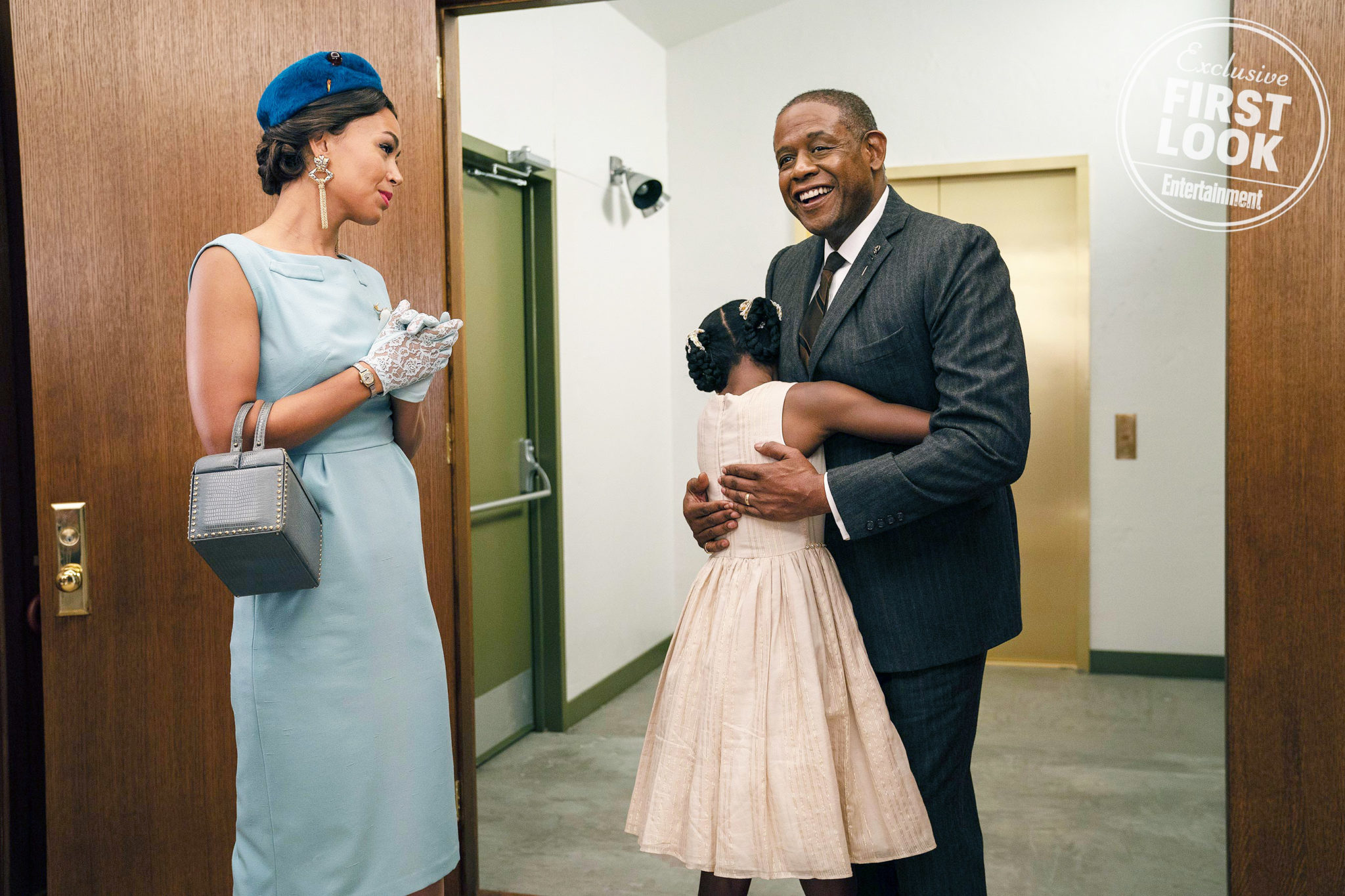
Uncovering the Life and Legacy of Bumpy Johnson: The Notorious Harlem Gangster

The Resilient Legacy of Elise A. Johnson: Daughter of Bumpy Johnson and Voice of Her Father’s Empire

The Life Of Elise Johnson Bumpy Johnson S Daughter: A Legacy Forged in Strength and Grace


