The Untold Story of Miguel Ángel Félix Gallardo: How a Mexican Police Officer Built a Drug Empire
The Untold Story of Miguel Ángel Félix Gallardo: How a Mexican Police Officer Built a Drug Empire
Miguel Ángel Félix Gallardo, once a rising star in Mexico’s intelligence community, became the architect of the modern Mexican drug trade. His arrest in 1989 fractured the Guadalajara Cartel and reshaped the landscape of global narcotics trafficking. This is the story of how a single ambitious man transformed a regional smuggling network into an international crime syndicate.
The Making of a Powerful Man
Born on January 8, 1946, in Sinaloa, Mexico, Félix Gallardo began his career in law enforcement. He joined the Dirección Federal de Seguridad (DFS), Mexico’s intelligence agency, where he developed connections that would prove invaluable. His keen understanding of both law enforcement tactics and the narcotics trade positioned him uniquely in Mexico’s political landscape.
During the 1970s, Félix Gallardo worked closely with various government officials, leveraging his access to build a network of influence. His ability to navigate the corridors of power allowed him to establish a vast web of contacts, from local police to high-ranking military officials. This foundation would later serve as the backbone of his criminal enterprise.
The Birth of a Cartel
In the early 1980s, Félix Gallardo recognized the opportunity presented by the growing demand for cocaine in the United States. He began consolidating various small smuggling operations under his control, creating what would become the Guadalajara Cartel. This organization was distinct for its structured approach and strategic alliances.
- Establishment of supply routes through Central America
- Partnerships with Colombian drug producers
- Investment in sophisticated transportation methods
- Control of distribution networks across major U.S. cities
The cartel's operations were methodical and expansive. Félix Gallardo implemented a business-like approach to drug trafficking, treating it as a corporate enterprise rather than a series of criminal acts. This professionalism allowed the organization to flourish in the face of increasing law enforcement scrutiny.
The Golden Era
At its peak, the Guadalajara Cartel was responsible for smuggling tons of cocaine and marijuana into the United States each month. Félix Gallardo's empire generated billions in revenue, which he laundered through legitimate businesses. He cultivated an image of a Robin Hood figure, using his wealth to gain political influence and social status.
According to former DEA agent Walt Breslin, "Félix Gallardo understood that corruption was the key to his success. He didn't just buy protection; he became the system." This system allowed him to operate with relative impunity for years, as officials across various levels of government turned a blind eye to his activities in exchange for kickbacks and bribes.
His influence extended beyond Mexico's borders, as he established relationships with other international drug traffickers. The cartel's operations reached Europe and Asia, creating a global network that law enforcement agencies struggled to dismantle.
The Downfall
The cartel's success sowed the seeds of its destruction. Increased pressure from U.S. authorities and internal betrayals began to weaken Félix Gallardo's empire. The murder of DEA agent Enrique "Kiki" Camarena in 1985 became a pivotal moment, triggering a massive investigation that would eventually target the cartel's leadership.
- Camarena's kidnapping and murder exposed the cartel's brutality
- U.S. pressure led to increased cooperation with Mexican authorities
- Internal conflicts within the organization created vulnerabilities
- Félix Gallardo's paranoia isolated him from key allies
- His arrest in April 1989 marked the end of an era
Félix Gallardo's arrest was a carefully orchestrated operation that involved multiple agencies. Despite his power, he had become a target even within his own organization. His capture sent shockwaves through the criminal underworld and temporarily disrupted the drug trade.
Legacy and Impact
Though imprisoned, Félix Gallardo's influence persists. His arrest fragmented the Guadalajara Cartel, leading to the rise of smaller, more violent organizations. These splinter groups engaged in increasingly brutal tactics, contributing to the violence that plagues Mexico today.
According to security analyst Alejandro Hope, "Félix Gallardo didn't just create a cartel; he created a template for organized crime in Mexico." His business model, combining corruption, violence, and strategic alliances, has been emulated by subsequent generations of drug traffickers.
From his maximum-security prison cell, Félix Gallardo has maintained a presence in the world of organized crime. Limited communications with his former associates allow him to exert influence, albeit diminished, over certain aspects of the drug trade. His story serves as a cautionary tale about the corrupting nature of power and the devastating consequences of unchecked ambition.
Related Post
Miguel Ángel Félix Gallardo: The Godfather Who United Mexico's Drug Wars
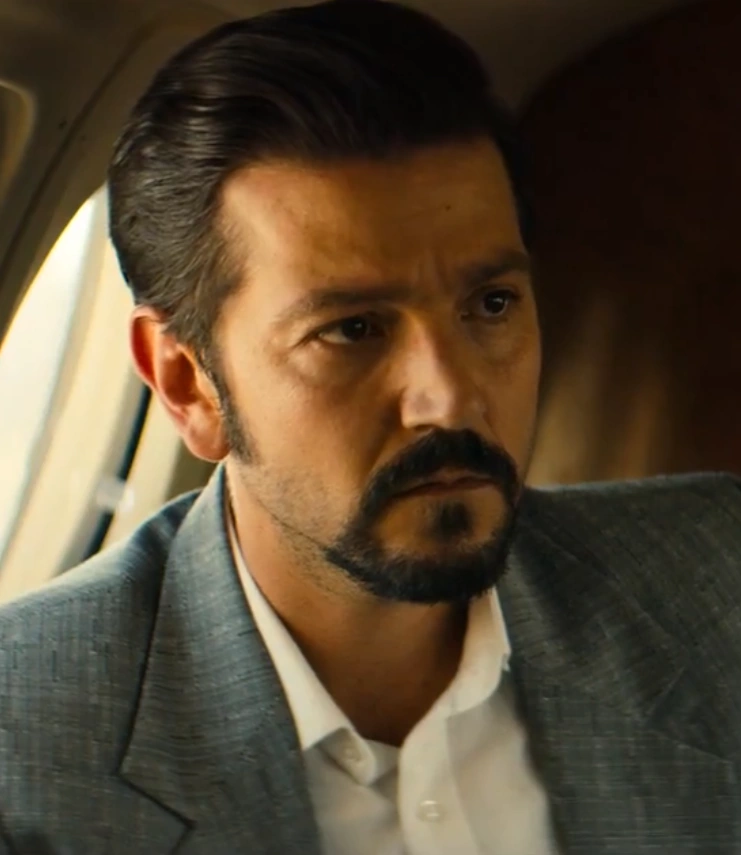
Miguel Ángel Félix Gallardo: The Architect of Mexico’s Drug Wars and the Fall of the Guadalajara Cartel


