The Untold Story of the Happy Days Cast: From Black-and-White Dreams to Modern-Day Fame
The Untold Story of the Happy Days Cast: From Black-and-White Dreams to Modern-Day Fame
The cast of Happy Days transformed a simple 1970s sitcom concept into a cultural phenomenon that defined a generation’s view of family and community. What began as a nostalgic look back at 1950s America quickly evolved into one of television’s most enduring franchises, spawning multiple spin-offs and creating stars that remain recognizable decades later. This is the story of how these actors navigated fame, typecasting, and the ever-changing landscape of television while helping to establish one of entertainment’s most successful franchises.
The early days of Happy Days production were markedly different from the polished entertainment machine it would eventually become. When the show premiered in 1974, it was initially conceived as a standalone comedy about a teenager living with his family in 1950s Milwaukee. The original cast underwent significant changes before settling into the beloved ensemble that audiences came to know. Producer Garry Marshall’s vision for the show evolved as he recognized the chemistry between emerging actors who would eventually become television royalty.
Origins and Early Development
The genesis of Happy Days can be traced back to a television pilot that bore little resemblance to the eventual family-friendly sitcom. Early concepts featured darker storylines and different character dynamics that would have dramatically altered the show’s trajectory. It was only through careful recasting and creative restructuring that the series found its winning formula. The development process highlighted the importance of casting chemistry in creating a show that would resonate across demographics.
Production challenges in the show’s first season tested the resolve of the network and production team. Low viewership in the initial episodes nearly led to cancellation before the now-iconic Fonzie character transformed the show’s fortunes. This pivot demonstrates how sometimes the most significant changes in entertainment come from unexpected sources. The cast’s willingness to embrace character evolution played a crucial role in the show’s eventual success.
The Core Ensemble and Their Breakthroughs
Ron Howard as Richie Cunningham
Ron Howard’s portrayal of the middle-class kid next door established the show’s relatable foundation. Starting as a child actor, Howard brought authenticity to the teenage experience that formed the emotional core of the series. His performance balanced comedy with genuine coming-of-age struggles that resonated with audiences of all ages. Howard’s journey from child star to respected filmmaker began with his work on this television platform.
Henry Winkler as The Fonz
Henry Winkler’s transformation into Arthur “The Fonz” Fonzarelli remains one of the most remarkable character evolutions in television history. Initially conceived as a minor character, Winkler’s comedic timing and physicality turned the motorcycle-riding greaser into the show’s breakout sensation. His unexpected chemistry with the established cast created new narrative possibilities that producers eagerly embraced. The Fonz’s distinctive style and catchphrases became embedded in popular culture, transcending the show itself.
Marion Ross as Marion Cunningham
Marion Ross brought warmth and maternal strength to the role of the family matriarch. Her performance balanced the show’s comedic elements with moments of genuine emotional depth. Ross’s characterization of the patient, loving mother provided stability amid the show’s more outrageous storylines. Her contribution to the show’s family-centric message cannot be overstated.
Supporting Cast Members and Their Impact
The success of Happy Days relied heavily on its extensive supporting cast, each bringing unique dimensions to the show’s fictional universe. Anselmo Ralph as Ralph Malph provided the stylish, somewhat vain best friend archetype who complemented Richie’s more earnest personality. Don Most as Ralph brought a different energy to the friend group with his distinctive voice and fashion sense. Pat Morita’s character evolved from comic relief to integral family figure, demonstrating the show’s willingness to develop characters beyond their initial concepts.
These supporting actors faced particular challenges in an industry that often relegated character actors to one-dimensional roles. Through their performances, they managed to create three-dimensional people rather than stereotypes. Their contributions helped establish the show’s realistic portrayal of a working-class family navigating post-war America.
Behind the Scenes: Professional Dynamics and ChallengesContract Negotiations and Salary Disparities
As the show’s popularity grew, significant disparities emerged in cast compensation. Henry Winkler’s renegotiation for substantial back-end deals created tension that nearly fractured the cast’s unity. These financial discussions revealed the growing value of the show and the actors’ understanding of their market worth. The resolution of these negotiations established precedents for how sitcom cast members would be compensated in the years to follow.
Typecasting and Career Transitions
Many cast members struggled with the double-edged sword of becoming synonymous with their Happy Days characters. Ron Howard’s successful transition to filmmaking demonstrated how some leveraged their television success into broader careers. Others found themselves typecast, limiting their opportunities in the industry. The experiences of the cast highlight the challenges actors face when attempting to escape the shadow of their most iconic roles.
Maintaining Camaraderie Off-Screen
Despite contractual tensions and career divergences, many cast members maintained genuine friendships long after the show ended. Their off-screen relationships mirrored the familial bonds portrayed in the series. These authentic connections have resulted in numerous public appearances and interviews where the cast reflects on their shared history with evident affection. The longevity of these relationships demonstrates that professional respect can evolve into personal friendship.
The Happy Days Legacy and Modern Relevance
The influence of Happy Days extends far beyond its original run and numerous spin-offs. The show established templates for family sitcoms that continue to influence television creators today. Its portrayal of 1950s America provided both entertainment and historical education for generations who grew up watching the series. The cast members’ collective impact on popular culture remains evident in references throughout contemporary media.
Modern interviews with the cast reveal thoughtful reflections on their roles in television history. Many express surprise at the show’s enduring popularity and its continued relevance to new audiences. Streaming services have introduced the series to generations who did not experience its original broadcast, ensuring its legacy continues to grow. The cast members’ perspectives on their careers and the show’s impact provide valuable insight into television’s evolving landscape.
The Happy Days cast represents a unique intersection of talent, timing, and cultural significance that created television history. Their collective journey from working actors to television legends demonstrates how the right combination of characters, creative vision, and professional dedication can produce entertainment that transcends its era. As new audiences discover the show, the cast members’ contributions to television history remain as relevant as ever.
Related Post
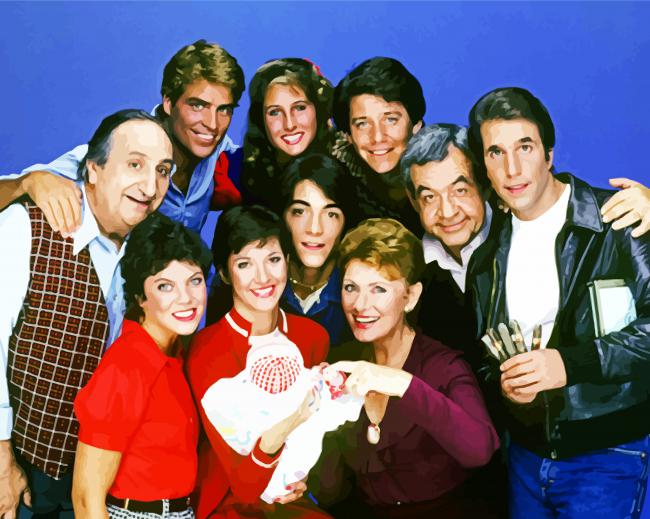
The Happy Days Cast: A Blast from the Past
Happy Days Cast Members Where Are They Now: The Untold Stories Behind the 1970s Icons
Anthony Head: From BBC Royal Courage to Hollywood Stardom — The Versatile Journey of a Forgotten Versatile Actor

The Quiet Power Behind Helen De Niro: Documentary Lens on a Silent Architect of Culture


