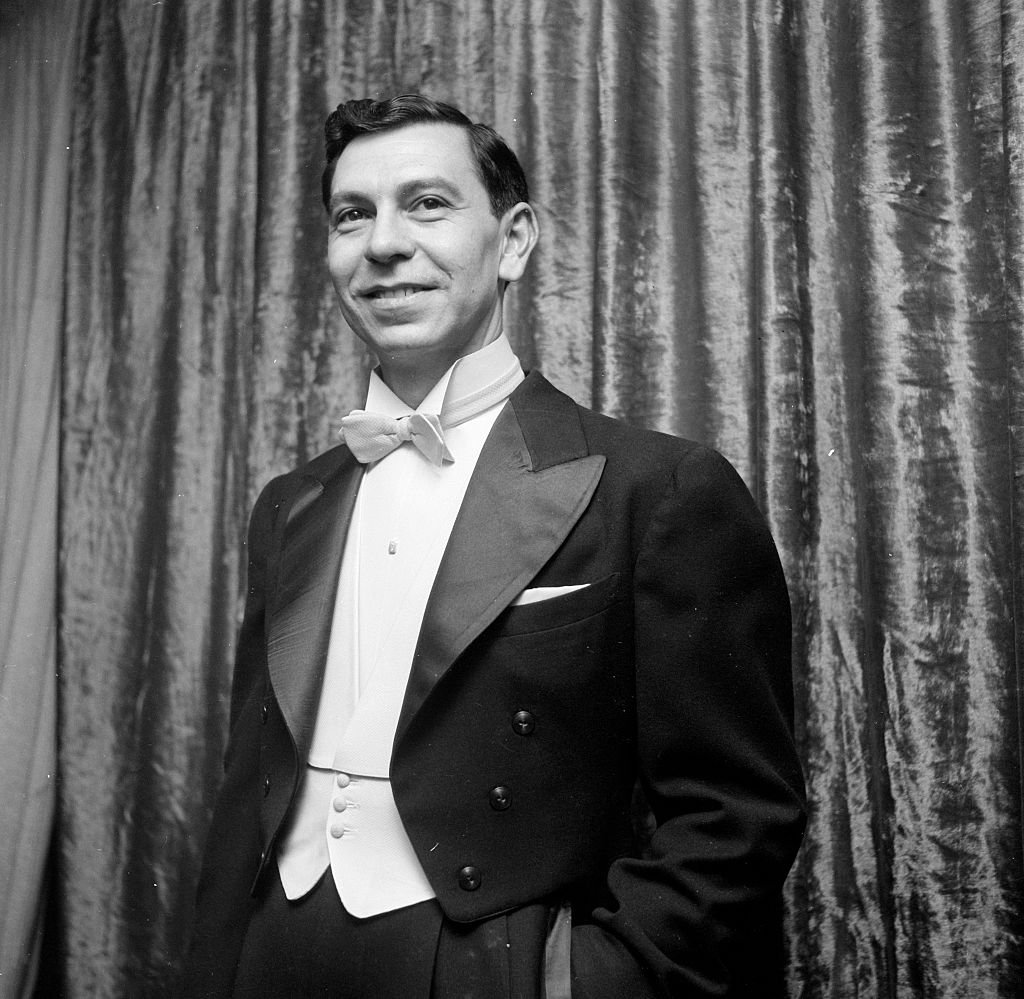
The Unyielding Sound of Tom Scholz: How a Relentless Perfectionist Redefined Electric Guitars
The Unyielding Sound of Tom Scholz: How a Relentless Perfectionist Redefined Electric Guitars
When Boston’s anthems erupted from arena speakers in the 1970s, the wall of sound seemed to emanate from a force of nature rather than a recording studio. That monolithic audio landscape was largely the work of Tom Scholz, an MIT-trained engineer who applied aerospace precision to rock music. Far from a typical rock star, Scholz is a meticulous inventor whose obsessive quest for the perfect tone reshaped guitar technology and defined an era of stadium rock.
Scholz’s journey began not on a stage, but in a cramped Boston apartment filled with prototypes and schematics. While other aspiring musicians chased fame, he chased the perfect sonic texture, a pursuit that would lead to patents, a legendary band, and a reputation for uncompromising standards. His story is one of solitary genius meeting the demands of mass-market entertainment, a conflict that continues to define his legacy.
The foundation of Scholz’s legend is the Boston Rockman, a humbucker pickup he designed in the early 1970s. Dissatisfied with the muddy and noisy guitars available, he spent years in his basement laboratory, soldering circuit boards and testing countless configurations. The result was a pickup that offered unprecedented clarity, power, and dynamic range, capable of producing singing sustain and razor-sharp attack.
This innovation did not happen in a vacuum. Scholz partnered with Brad Delp, whose soaring vocals perfectly matched the instrument’s brilliance, and producer John Boylan, who understood how to capture that massive sound. The self-titled debut album, *Boston*, released in 1976, became a sales juggernaut, its tracks like "More Than a Feeling" and "Peace of Mind" showcasing the impossible-sounding wall of guitar. The album’s success was directly tied to the unique sonic signature Scholz engineered into every note.
The path to that debut was paved with meticulous, often solitary, effort. Scholz famously worked 100-hour weeks, balancing his day job at Polaroid with the obsessive craft of invention. He treated the recording studio as an extension of his workshop, layering overdub upon overdub to achieve his vision. This method, while creating an unmistakable sound, also became a symbol of his relentless pursuit of perfection.
His process was famously hands-on and demanding. Scholz didn't just write songs; he engineered them.
- He built custom amplifiers and effects pedals to generate tones that did not exist commercially.
- He recorded each guitar part multiple times, compining the best sections of each take into a single, flawless performance.
- His original demos were so complex that it took a full production team to translate them from his basement to a professional studio setting.
- This hands-on approach extended to songwriting, where intricate harmonies and counter-melodies were carefully constructed, note by note.
The commitment to quality sometimes led to friction, particularly with his business partner, marketing executive Charlie McKenzie. Scholz’s insistence on absolute control over the music and the sound created tension with the commercial demands of the music industry. He prioritized the integrity of the sound over shortcuts, a stance that ultimately resulted in protracted legal battles over royalty payments and creative control.
Despite these challenges, Scholz’s influence on guitar manufacturing is undeniable. His designs proved that technical innovation could coexist with emotional power. Modern high-gain amplifiers and precision-wound pickups owe a debt to his pioneering work. He demonstrated that the tool—an in this case, the guitar and its pickup—could be as important as the player’s hand in shaping the final sound.
Scholz also represents a specific archetype of the rock musician: the intellectual artisan. His background in engineering is not a trivial biographical note but the key to understanding his approach. He treated music as a problem to be solved with logic, mathematics, and relentless experimentation. In an industry often driven by impulse and image, Scholz remained a constant, a man who let the sound be the ultimate judge of his work.
His later work, while often overshadowed by the monumental success of the debut, continued to showcase his innovative spirit. Albums by his side project, RTZ, and his gradual, methodical work on subsequent Boston releases, highlighted his unwavering commitment to a specific aesthetic. He was never interested in chasing trends; his focus remained on perfecting the tone he had first envisioned decades ago.
Today, the hum of a Boston album remains a benchmark for guitar-driven rock. The clarity of the solos and the thunder of the rhythm section continue to inspire new generations of players and engineers. Scholz’s legacy is not just in the songs, but in the physical objects—the guitars, pickups, and amplifiers—that he created to realize his vision. He built a better mousetrap for sound, and the music world has been using it ever since.
Related Post

Tom Scholz Just Revealed Boston's Mind-Blowing Net Worth in Shocking New Details
Tom Scholz Just Revealed Boston Net Worth: Shocking New Details Unveil Real-Wealth Behind the Legend

Quinn Finite Twitter is Reshaping Fintech Discourse with Unprecedented Insight and Engagement

Justin Beber Died at 35: A Rising Star Cut Short by Tragedy