The Vikings: How Each Character Mirrors a Unique Leadership Archetype in the Saga of Power
The Vikings: How Each Character Mirrors a Unique Leadership Archetype in the Saga of Power
The television series "Vikings" transforms historical saga into a masterclass in organizational dynamics, using Norse legend to explore timeless themes of authority, ambition, and loyalty. At its core, the show functions as a sprawling case study in leadership, where the clash of ideologies drives the narrative forward. By examining key figures—Rollo the warrior, Floki the innovator, and Harald Fairhair the unifier—we can decode the archetypes that shape any competitive environment. This analysis moves beyond entertainment to dissect how fictional conflict reflects real-world strategic challenges.
The warrior archetype finds its purest expression in Rollo, a character whose journey from marauding outsider to established power illustrates the double-edged sword of raw authority. His initial success is rooted in visceral dominance, a willingness to break norms that earns him rapid advancement. However, the sustainability of his power is consistently questioned by his peers and superiors.
Rollo’s story demonstrates that brute force alone cannot construct enduring institutions. He repeatedly clashes with the strategic patience of Ragnar, highlighting a fundamental tension between improvisational violence and calculated statecraft. His moments of triumph are invariably followed by periods of alienation and failure, suggesting that leadership requires more than the ability to inflict damage. The narrative uses his character to explore the psychological cost of a leadership style predicated on immediate gratification and fear.
* **Loyalty Through Fear:** Rollo’s early raids secure the loyalty of his men through the promise of shared plunder and the terror of his reputation.
* **The Inability to Govern:** Once granted territory, his leadership falters, revealing a lack of the administrative skill necessary for long-term stability.
* **The Quest for Validation:** His deep-seated inferiority complex, particularly regarding Ragnar, drives destructive decisions that undermine his own position.
If Rollo embodies the archetype of the enforcer, Floki represents the revolutionary creator, a character whose brilliance is inextricably linked to his social isolation. His contributions to the Viking fleet are undeniable, pushing the boundaries of what his people can achieve. Yet, his unwavering commitment to his vision makes him a destabilizing force, a reminder that innovation often disrupts the established order.
Floki’s arc is a study in the conflict between genius and pragmatism. He builds the tools that enable expansion, but his inability to navigate human relationships ensures that he remains an outsider. His design philosophy is absolute, leaving no room for compromise, which ultimately limits his influence.
* **Visionary Designer:** He translates abstract concepts into tangible naval technology, providing a crucial military advantage.
* **Ideological Zealot:** His devotion to the gods and his craft blinds him to political realities and human suffering.
* **Self-Destructive Tendencies:** His relentless pursuit of perfection leads to personal tragedy and professional setbacks, illustrating the peril of inflexibility.
The transition from the loose-knit band of brothers to a structured kingdom is embodied by the rise of Harald Fairhair. Unlike Rollo or Floki, Harald’s power is rooted in political acumen and an understanding of legacy. He is the archetype of the unifier, recognizing that true strength lies not in individual prowess, but in the systematic consolidation of resources and people.
Harald’s leadership is characterized by a cold, strategic calculation. He manipulates alliances, exploits familial bonds, and employs warfare as a tool of statecraft. His success is not measured in the glory of a single raid, but in the establishment of a dynasty. He provides a counterpoint to the chaotic individualism that defines much of the early series, offering a model of governance that, while ruthless, is effective.
* **Strategic Alliances:** He forges partnerships, such as with his brother Halfdan, to eliminate rivals and consolidate power.
* **Long-Term Vision:** His focus on building a lasting kingdom contrasts sharply with the short-term gains sought by raiders.
* **Ruthless Efficiency:** He eliminates opposition—whether familial or political—without hesitation to achieve his goals.
The show’s exploration of gender dynamics, particularly through the character of Lagertha, adds a crucial layer to the discussion of power. As a shieldmaiden and later a ruling Earl, Lagertha challenges the traditional hierarchies of the Viking world. Her leadership style is a blend of martial competence and political wisdom, earned through respect rather than inheritance.
Lagertha’s authority is unique because it is multifaceted. She is a warrior who understands the value of diplomacy, a ruler who remains connected to the realities of her people. Her story illustrates that leadership is not confined to a single gender or method, but is defined by the ability to adapt and inspire. She represents the evolution of power from tribal warfare to organized society.
* **Merit-Based Respect:** She earns the loyalty of her followers through her actions in battle and her fairness in governance.
* **Balanced Governance:** Her rule combines the harsh justice of the warrior code with the nurturing role of a matriarch.
* **Resilience Against Adversity:** She withstands betrayal, loss, and political intrigue, emerging as a stable force in an unstable world.
Finally, the figure of Ivar the Boneless serves as a dark mirror to the archetypes discussed, representing the extreme consequences of intellect unmoored from empathy. His leadership is a calculated manipulation of chaos, driven by a desire for legacy and a profound inability to connect with others. He is the strategist who views people as mere variables in a larger equation.
Ivar’s power is intellectually formidable but emotionally barren. He weaponizes his understanding of psychology and tactics to dominate those around him, creating a following based on fear and fascination rather than loyalty. His character poses a difficult question: can the most effective leader be the most isolated one? His trajectory suggests that while he can seize control, he cannot truly hold power without the human connections that define a society.
* **Master Tactician:** He orchestrates complex maneuvers that secure key victories through intellect rather than force.
* **Emotional Detachment:** He views relationships as tools, rendering him unpredictable and untrustworthy.
* **Legacy Obsession:** His actions are primarily motivated by a desire to carve a name for himself in history, regardless of the cost.
Related Post

July 4 Baseball: Where Patriotic Fire Meets America’s Favorite Sport

The Rise of Vertical Forests: New York City’s Green High-Rises Are Transforming the Skyline
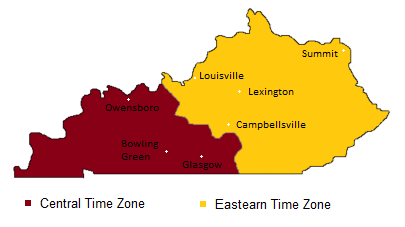
What Time Zone Is Kentucky In? The Reliable Time Zone That Shapes Daily Life Across the Bluegrass

Livvy Dunne Leaked: Unraveling the Fallout of a Star’s Darkest Moment


