The West Side Gang Sign: Decoding Symbols, Allegiance, and the Reality Behind the Gesture
The West Side Gang Sign: Decoding Symbols, Allegiance, and the Reality Behind the Gesture
In urban landscapes across the United States, law enforcement announcements frequently reference the West Side gang sign as a marker of territorial identity and criminal activity. This specific hand configuration, often flashed in photographs or displayed in graffiti, serves as a visual shorthand for complex street dynamics. This article examines the origins, variations, and socio-cultural implications of the sign, separating documented fact from media-fueled misconception.
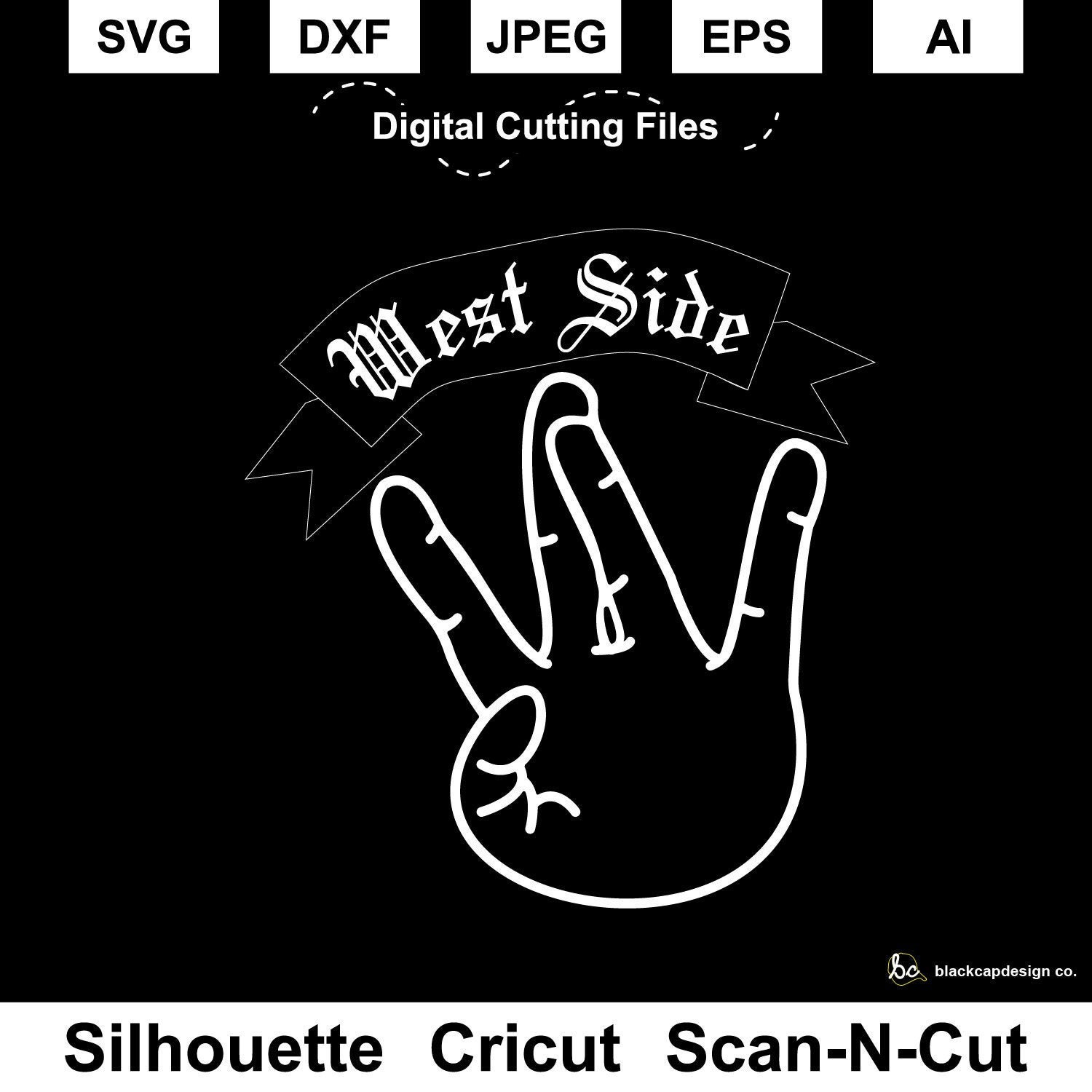
The term "West Side gang sign" lacks a singular, universally agreed-upon definition, instead referring to a family of gestures associated with various West Coast street organizations, most notably the Crips. The sign typically involves extending the thumb, index, and middle fingers of one hand, forming a shape resembling the number "2" or the letter "W." The specific arrangement—whether the knuckles are tucked inward or fanned outward, or whether the hand is presented alone or in conjunction with other signs—can denote specific sets, alliances, or even challenges. Understanding the sign requires delving into the historical context of the gangs that popularized it, the coded language of the streets, and the ongoing efforts by authorities and communities to mitigate gang violence.
Historical Roots and the Birth of a Symbol
The genesis of the West Side gang sign is inextricably linked to the formation of the Crips in the late 1960s in Los Angeles. Founded by figures such as Raymond Washington and Stanley "Tookie" Williams, the Crips emerged from the socioeconomic turmoil of South Central Los Angeles, seeking solidarity and protection in marginalized neighborhoods. Early iterations of the sign were likely a method of discreetly identifying allies in a landscape of heightened tension and territorial disputes. The specific finger configuration is believed to have evolved as a variation of earlier gang signs, designed to be subtle yet recognizable to initiated members.
As the Crips' influence spread, so too did their iconography. The sign became a ubiquitous emblem, not just on the streets but in media representations. This widespread visibility, however, often lacked nuance. Documenting the evolution of these symbols reveals a shift from organic identifiers to widely commodified images. The sign's journey from a localized marker of belonging to a globally recognized symbol underscores the complex interplay between street culture and mass media.
Variations and Specific Meanings
Contrary to popular belief, there is no single "West Side" sign. The gesture exists within a spectrum of variations, each carrying potential significance for different factions. Key distinctions include:
- The Basic Two (T-Wing): Thumb, index, and middle fingers extended, ring and pinky curled into the palm. This is the most common depiction and generally represents affiliation with the West Side or the Crips broadly.
- The Die a Lil' Fool: This variation features the same three fingers extended but with the knuckles bent or tucked downward. It is often associated with specific sets or carries a message of defiance.
- The Tri-Curves: Some factions use a sign where the fingers form a rounded arch, mimicking the shape of the number three, to signal connection to the number "3" used by Crip affiliates.
The context in which the sign is displayed is equally crucial. A flash of the sign during a confrontation carries a different weight than its appearance in a casual, albeit ill-advised, social media post. Law enforcement agencies, such as the Los Angeles Police Department, have detailed databases that catalog these variations to aid in investigations. For example, a 2021 report from the LAPD's CRASH (Community Resources Against Street Hoodlums) unit highlighted how the specific angle of the fingers could indicate a member's home territory or active participation in a particular crew.
Cultural Impact and Misrepresentation
The proliferation of the West Side gang sign in mainstream culture has led to significant distortion. In music videos, fashion lines, and casual conversation, the gesture is frequently appropriated without understanding its roots or consequences. This commodification can trivialize the harsh realities of gang life and inadvertently draw attention to individuals who display the sign publicly.
Community leaders and former gang members have often spoken out about this misinterpretation. A retired probation officer from the Los Angeles County system, who wished to remain anonymous to discuss sensitive matters, noted, "The sign is a living identifier in a environment where trust is scarce. When outsiders mimic it for style, they disrespect the lethal seriousness of the allegiance it represents. It’s not a fashion statement; it’s a territorial marker." This sentiment is echoed in academic circles, where criminologists study the sign as part of a broader lexicon of street communication that includes graffiti, colors, and specific slang.
Legal Implications and Community Response
Displaying the West Side gang sign can have tangible legal repercussions. In many jurisdictions, gang-related gestures can be introduced as evidence in trials to establish motive, gang affiliation, or witness intimidation. Several cities have implemented ordinances that allow for enhanced penalties for individuals convicted of crimes committed while displaying gang signs.Beyond legal ramifications, community-based organizations are working to de-escalate tensions associated with the sign. Programs aimed at youth intervention often focus on providing alternative means of identity and belonging. Initiatives like mentorship and vocational training seek to address the root causes that lead individuals to adopt gang affiliations, moving the focus away from symbols and toward sustainable futures.
Related Post