The Yangtze Asia Renaissance: How China’s Lifeline is Powering an Economic and Ecological Crossroads
The Yangtze Asia Renaissance: How China’s Lifeline is Powering an Economic and Ecological Crossroads
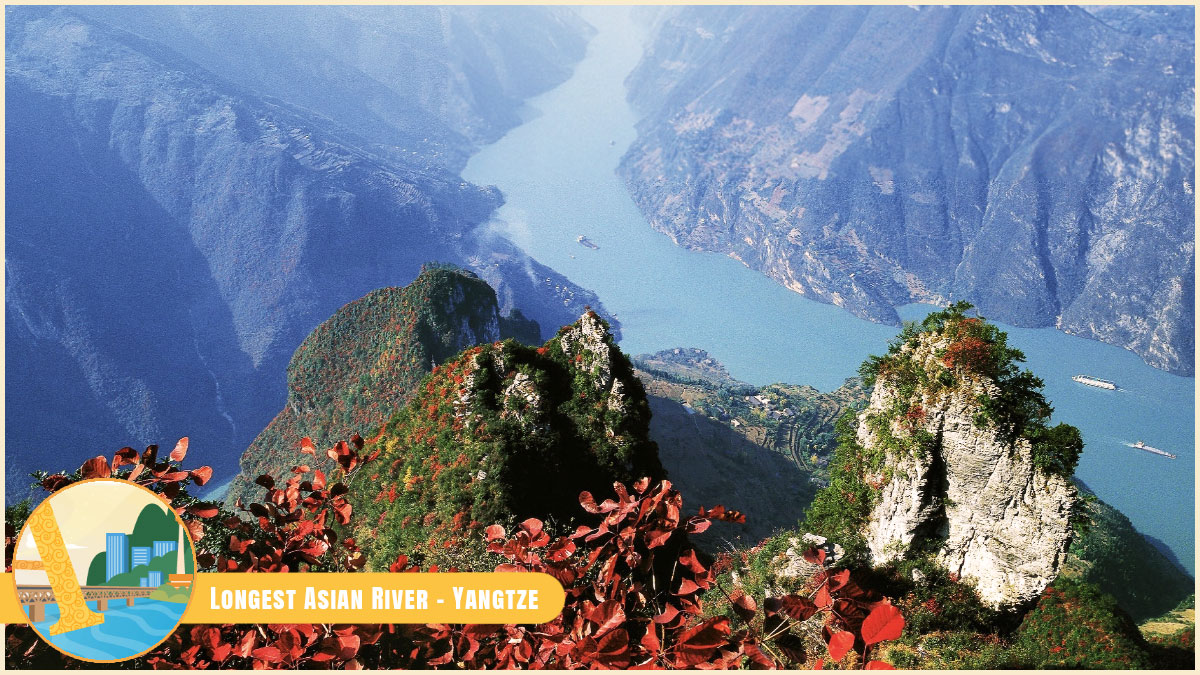
The Yangtze River, the serpentine artery of Asia, is far more than a geographical feature; it is the crucible of modern China. Stretching over 6,300 kilometers from the Tibetan Plateau to the East China Sea, this basin generates over 40% of the nation’s GDP, making it a decisive engine of the national economy. Today, the river is the stage for a profound dual narrative, where staggering economic momentum collides with an urgent ecological reckoning, setting the stage for a model of development that the world will watch closely.
For decades, the story of the Yangtze has been one of concrete and cargo. The river’s vast network of tributaries and the sprawling megacities it connects—from Chongqing to Wuhan and Shanghai—form the backbone of China’s manufacturing and logistics hub. The Three Gorges Dam, an engineering titan completed in 2012, symbolizes this era of harnessing the river’s immense power for energy and flood control. Yet, this very mastery has come at a cost, manifesting in strained water quality, sinking landforms, and stressed aquatic ecosystems. The current pivot toward a more sustainable “Green Development” philosophy represents a crucial, and potentially precedent-setting, recalibration of how a civilization interacts with its most vital natural resource.
The economic engine of the Yangtze River Basin (YRB) is a study in scale and integration. Home to approximately 400 million people, the region acts as China’s primary manufacturing and innovation corridor. Cities along its length specialize in everything from high-tech electronics in Shanghai to automotive engineering in Wuhan and digital commerce in Nanjing. This industrial density is underpinned by an intricate web of ports, rail lines, and highways that converge on the river, facilitating the movement of goods that fuel global supply chains. The Yangtze’s economic role is so central that its health is directly synonymous with the health of the Chinese economy. A disruption in this basin is a disruption for markets far beyond China’s borders.
However, this intense utilization has placed unprecedented pressure on the river’s ecological integrity. Decades of rapid, often unregulated, industrial expansion led to severe pollution. Heavy metals, agricultural runoff, and untreated sewage choked the water, leading to dead zones and contaminated drinking water sources. The river’s biodiversity has borne the brunt of this stress, with species like the Chinese paddlefish, recently declared extinct, and the finless porpoise facing critical endangerment. Recognizing the existential threat, the Chinese government has moved to implement a stringent legal framework. In 2018, the Yangtze River Protection Law was enacted, the first of its kind to target a specific river basin, signifying a top-down commitment to reversing ecological damage through coordinated governance across 19 provinces and municipalities.
The transformation underway is multifaceted, targeting both industry and agriculture. A cornerstone of the new strategy is the strict enforcement of environmental standards, leading to the forced relocation or closure of thousands of non-compliant factories along the riverbanks. This decisive action, while economically disruptive in the short term, is aimed at long-term sustainability. Simultaneously, a massive reforestation and wetland restoration program is being rolled out to act as natural filters for runoff and to rebuild habitats for displaced wildlife. These measures are not merely reactive but are part of a proactive vision to decouple economic growth from environmental degradation. The success of this transition will depend on balancing the livelihoods of millions of workers in traditional industries with the creation of new, green economic opportunities.
One of the most visible battlegrounds in this green transition is the fight against water pollution. The government has implemented a “river chief” system, where local officials are held directly accountable for the water quality of their designated sections of the river. This policy, coupled with massive investments in wastewater treatment infrastructure, has begun to yield measurable results. Data from Chinese environmental agencies indicate improvements in water quality parameters, such as reductions in chemical oxygen demand and ammonia nitrogen levels in key sections of the river. Yet, challenges remain, particularly in monitoring non-point source pollution from agricultural lands and in ensuring consistent enforcement in less developed upstream regions. The journey from polluter to protector is complex and requires constant vigilance.
The agricultural sector, a major user of the river’s water, is also undergoing a significant shift. The basin is a critical region for rice cultivation, a crop that is notoriously water-intensive. Facing water scarcity and the need to reduce chemical fertilizer runoff, farmers are being encouraged to adopt more sustainable practices. This includes the use of drought-resistant crop varieties, precision irrigation techniques, and organic farming methods. These changes are not just about conservation; they are about resilience. By adapting to the realities of a changing climate and finite water resources, the basin is working to ensure its agricultural future. The adoption of these practices is a testament to the growing awareness that ecological health is inextricably linked to economic viability.
The technological frontier is also being mobilized in the service of the Yangtze’s revival. Satellites and a dense network of ground-based sensors are now used to monitor water flow, pollution levels, and illegal dumping in near real-time. This digital infrastructure provides authorities with the data needed to respond quickly to environmental threats and to enforce regulations with greater precision. Drones are deployed to survey vast and hard-to-reach areas of the riverbanks for signs of erosion or illegal construction. This integration of cutting-edge technology into environmental management represents a modern approach to an ancient challenge, offering a model for large-scale ecological restoration.
Internationally, the Yangtze’s transformation is being studied as a potential blueprint for other major river basins facing similar pressures. The river is a case study in the complexities of managing a transboundary ecosystem within a single political state. While the scale of investment and the authority of the central government offer unique advantages, the lessons learned about balancing economic imperatives with ecological limits are universally relevant. As one international environmental expert noted, “The world is watching the Yangtze. Its journey from degradation to recovery will provide critical insights into whether sustainable development is an achievable goal for river systems under intense developmental pressure.” The choices made here will resonate far beyond the banks of the river.
Looking ahead, the Yangtze River Basin stands at an inflection point. The path forward requires a continued commitment to stringent environmental policies, further investment in green technology, and a deepening public consciousness about the value of a healthy river. The goal is a symbiotic relationship where a thriving ecosystem supports a thriving economy, and not the other way around. The renaissance of the Yangtze is not merely about restoring a river; it is about redefining the relationship between a civilization and its environment. It is a monumental experiment in sustainable development, and its outcome will shape the ecological and economic landscape of Asia for generations to come.
Related Post
The Mighty Yangtze: Asia's Third Longest River - A Journey Through Time and Geography


