Tulsa Zip Codes Decoded: How 74103, 74136 & More Define Oklahoma’s Urban Landscape
Tulsa Zip Codes Decoded: How 74103, 74136 & More Define Oklahoma’s Urban Landscape
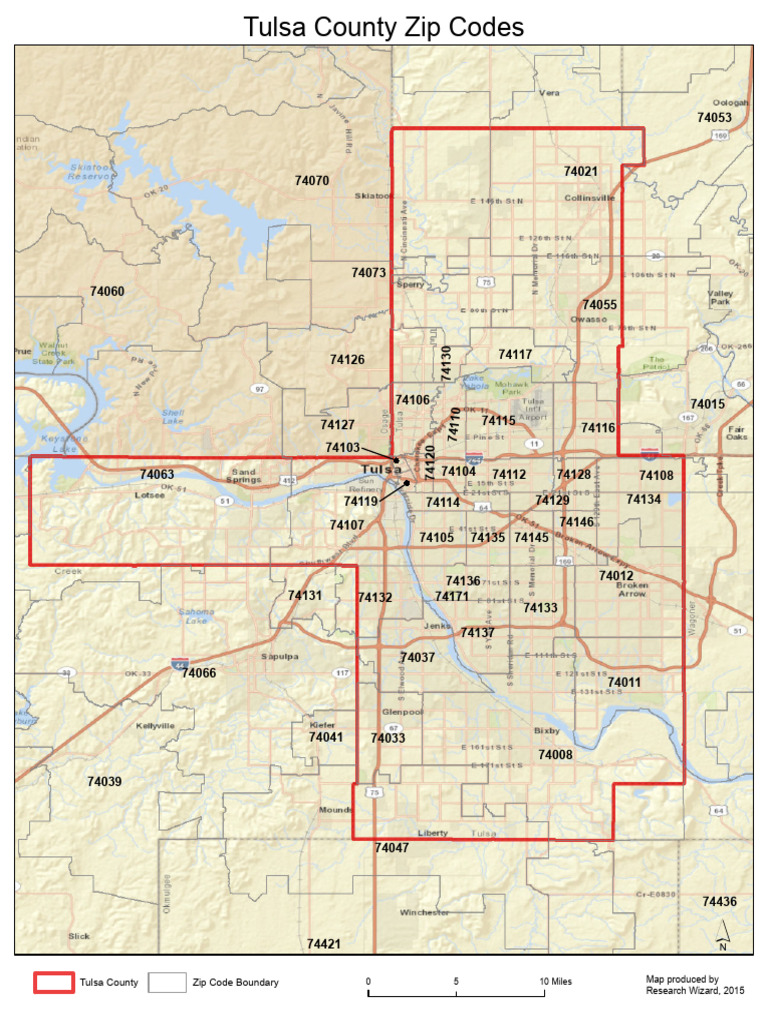
Tulsa’s zip codes act as more than mere mail routing tools; they function as economic and demographic boundaries that shape housing markets, business strategies, and community identity. From the sprawling 74136 in the south to the dense 74103 downtown, these five-digit numbers map the city’s growth and disparities. Understanding these codes reveals how geography, policy, and market forces intersect in Oklahoma’s second-largest city.
The digital mapping of Tulsa through its postal codes offers a framework for navigating everything from school districts to property taxes. This article examines the structure, history, and socioeconomic implications of Tulsa’s zip code system. It further illustrates how local institutions leverage this data for service delivery and urban planning.
To grasp Tulsa’s zip code geography, one must first understand the basics of the United States Postal Service (USPS) addressing system. Each code is a geographic puzzle piece, designed to streamline mail delivery efficiency. In a sprawling city like Tulsa, which covers over 116 square miles, these codes prevent confusion and ensure timely delivery.
* **Prefix (First Number):** The initial digit often denotes a broad region. The 7 and 8 ranges cover the Southern and Western United States, respectively.
* **District (Next Two Numbers):** These numbers narrow the field to a sectional center facility or a major city. For Tulsa, specific codes cluster around the urban core.
* **Segment (Last Two Numbers):** These identify smaller delivery routes, such as one side of a street or a specific group of PO boxes.
The assignment of these codes is rarely random. Historical settlement patterns, highway construction, and annexation battles by the city have left lasting stamps on the current map. Consequently, the zip code you live under can subtly influence your reality.
Tulsa’s urban core is dominated by a handful of central codes that pulse with the city’s commercial and cultural heartbeat. These areas are generally characterized by higher population density, mixed-use development, and proximity to civic institutions.
One of the most significant is **74103**. This code covers a portion of downtown and the Brady Arts District. It is a zone of transition, where historic architecture meets new residential lofts and upscale dining. Property values here reflect the premium placed on urban living and walkability.
Another central identifier is **74104**, which encompasses neighborhoods such as the Blue Dome District and parts of MidTown. This area is known for its vibrant entertainment scene and diverse housing stock. The presence of major employers and retail hubs within this zip code sustains a steady demand for real estate.
Further west, **74114** includes popular areas like the Pearl District and the UT Health Science Center. This zip code blends medical research, residential neighborhoods, and light industrial activity. It serves as a microcosm of Tulsa’s shift toward a knowledge-based economy.
Moving outward from the center, the ring of suburbs is defined by codes that often signal specific school districts and lifestyle preferences. These areas typically feature larger lot sizes and newer construction, attracting families seeking suburban stability.
* **74120 (Claremore Area):** While technically a separate city, this code is often associated with the broader Tulsa metro narrative, representing growth corridors.
* **74126 (Jenks Area):** Synonymous with high-performing schools and affluent residential living, this code is a major demographic marker in the region.
* **74136 (Southeast Tulsa):** One of the largest codes geographically, 74136 represents a mix of established neighborhoods and emerging areas. It highlights the city’s sprawl and the diversity of housing options available.
Beyond lifestyle choices, zip codes in Tulsa carry significant legal and administrative weight. Law enforcement agencies utilize "Code 3" routing to determine jurisdiction and response priorities during emergencies. Fire districts and utility providers rely on these boundaries to allocate resources and plan infrastructure upgrades.
School districts are perhaps the most impactful administrative use of zip codes. In Tulsa, the boundary lines of 74104 versus 74114 can determine which school a child attends, directly affecting educational outcomes and property values. As urban planner Anya Sharma notes, "Zoning and school districting are often two sides of the same coin; the zip code is the physical manifestation of that policy decision."
The economic implications are equally profound. Financial institutions use zip codes to assess credit risk and determine loan eligibility. Marketers analyze purchasing patterns within 74103 versus 74136 to tailor advertising campaigns and product offerings. This data-driven approach means that residents in different zones may experience different economic opportunities.
Tulsa’s growth trajectory has created a dynamic map where zip codes are constantly evolving. Annexations by the city have absorbed surrounding towns, changing their codes overnight. Simultaneously, gentrification is redrawing the socioeconomic map of historic codes.
Areas like 74103, once considered marginal, are now hotspots for investment. This shift brings economic vitality but also raises concerns about affordability and displacement. Residents watch as new developments alter the social fabric of their communities.
The future of Tulsa’s zip codes will likely involve technological integration. The USPS is exploring ways to use more granular data, potentially extending codes to individual buildings or floors in dense urban areas. For residents and businesses, staying informed about these boundaries remains essential for navigating the city’s complex landscape.
Whether you are a homeowner, a business owner, or a new arrival, understanding the story behind your zip code provides valuable context. It is the first step in understanding your place within the broader tapestry of Tulsa.
Related Post