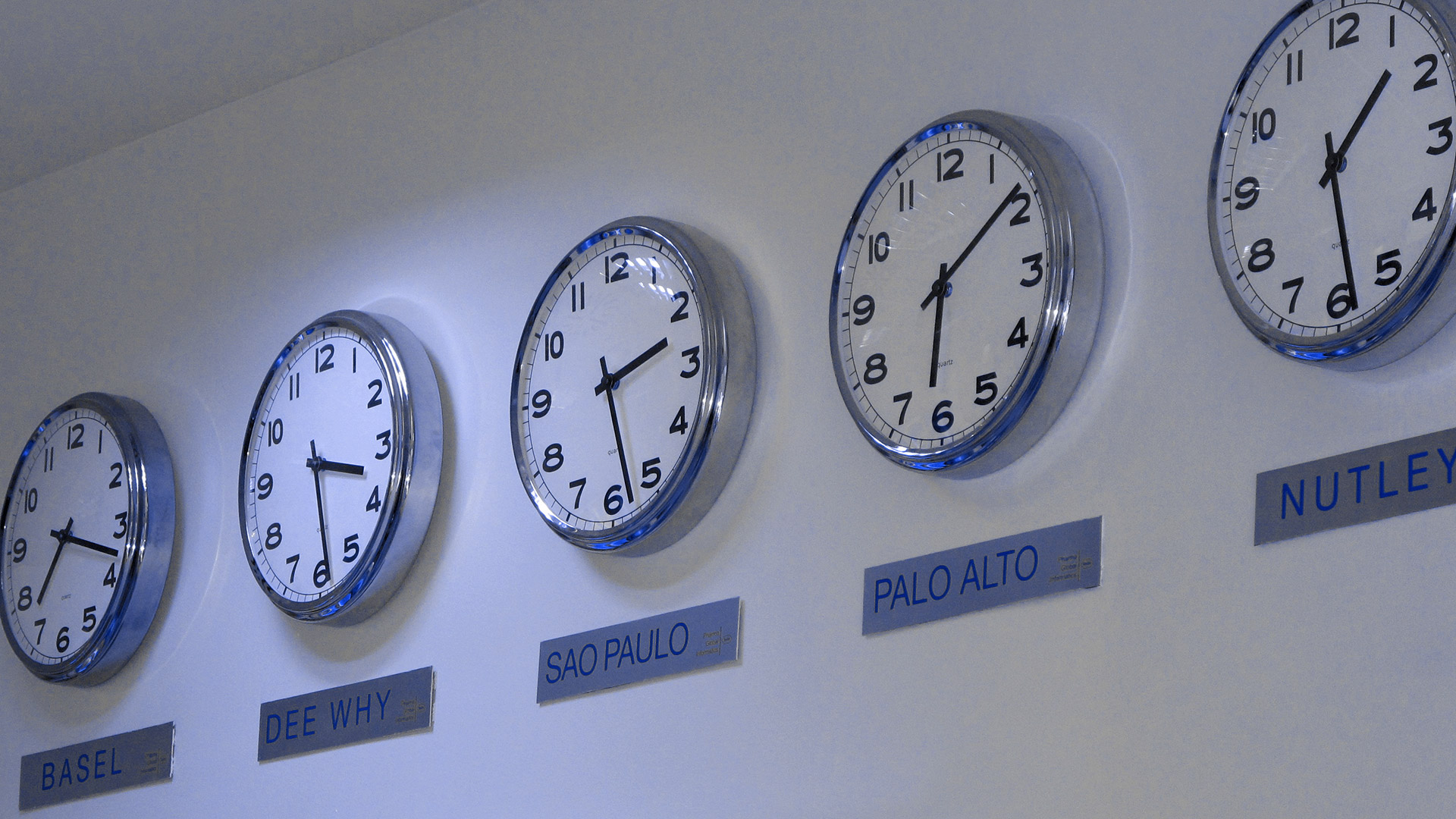
UK Timezone: Mastering the Clock Change – Navigating BST and GMT for Peak Productivity
UK Timezone: Mastering the Clock Change – Navigating BST and GMT for Peak Productivity
The United Kingdom observes a seasonal shift in its clocks, moving between Greenwich Mean Time (GMT) in winter and British Summer Time (BST) in summer, a practice intended to optimise daylight usage. These transitions, occurring annually in March and October, impact millions, affecting sleep patterns, productivity, and logistical operations across the nation and globally. This article provides a comprehensive analysis of the UK timezone framework, the mechanics of the clock changes, and their tangible effects on business and society.
The concept of adjusting clocks to extend evening daylight is not a modern peculiarity but a legacy rooted in early 20th-century advocacy. William Willett, a British builder, first proposed the idea of "Daylight Saving" in 1907, arguing that it would conserve energy and allow for more productive use of daylight hours. The current system, governed by the Summer Time Act 1972, ensures the UK adheres to a structured temporal framework that aligns with broader European directives, though debates about its continued utility persist. Understanding the mechanics and implications of these changes is essential for individuals and organisations to mitigate disruption and harness any potential benefits.
### The Mechanics of UK Timekeeping
The legal framework for timekeeping in the UK is established by the Greenwich Mean Time Act 1880, which designates Greenwich Mean Time as the official time. The transition to and from British Summer Time is punctual and nationwide, occurring at 01:00 GMT.
1. **Spring Forward (Last Sunday in March):** At 01:00 GMT, clocks are advanced by one hour to 02:00 BST. This moves an hour of daylight from the morning to the evening.
2. **Autumn Back (Last Sunday in October):** At 01:00 BST, clocks are set back one hour to 01:00 GMT, returning the country to standard time.
This bi-annual adjustment affects digital systems, from computer servers to smartphone networks, which must reconcile the hour change. For instance, a meeting scheduled for 10:00 AM GMT in February will, after the spring change, effectively occur at 11:00 AM BST in terms of solar time, though the digital calendar will still display 10:00 AM. This discrepancy highlights the complex relationship between statutory time and astronomical time.
### Impact on Business and Productivity
The clock changes have a demonstrable, though often nuanced, impact on corporate operations and workforce efficiency. A study by Penn State University suggested that the transition into British Summer Time is associated with a notable spike in cyberloafing—activities such as browsing non-work-related websites. This dip in focus is often attributed to the initial sleep disturbance caused by losing an hour of rest.
* **Supply Chain and Logistics:** Industries reliant on precise scheduling, such as logistics and transportation, must meticulously adjust their systems. A freight company coordinating with European partners must account for the one-hour time shift to ensure goods arrive on schedule, as the UK is effectively one hour ahead of GMT in summer.
* **Financial Markets:** The London Stock Exchange operates on GMT during the winter and BST during the summer to align with other major European exchanges. This switch requires careful coordination to prevent errors in high-frequency trading and settlement times.
* **Digital Infrastructure:** IT departments often schedule critical system updates and security patches for the weekend following the clock change to avoid disruptions. The "spring forward" weekend is a common window for maintenance, as the temporal shift can expose latent software bugs related to timestamp handling.
Dr. Elizabeth Anderson, a organisational psychologist at the University of Manchester, notes, "The initial transition period can fragment attention spans. Employers should anticipate a temporary dip in routine efficiency and adjust workflow accordingly, perhaps prioritising creative or strategic tasks for later in the week."
### Health and Societal Considerations
Beyond the boardroom, the clock changes have a direct bearing on public health and societal rhythms. The loss of an hour of sleep in March is consistently linked to a temporary increase in reported incidents of heart attacks and traffic accidents. The disruption to circadian rhythms can cause jetlag-like symptoms, impacting mood and cognitive function.
Conversely, the extension of evening daylight during BST is widely praised for its benefits to mood and outdoor activity. The later sunsets encourage physical exercise and social engagement, which can have a positive long-term effect on mental well-being. Campaigns such as "Lighter Later" advocate for adopting Central European Time (CET), which would mean British Summer Time becoming GMT+2, arguing it would reduce road accidents and boost tourism.
* **Energy Consumption:** The original rationale for daylight saving was energy conservation. While historically relevant, modern studies show mixed results. While evening lighting demand may decrease, the need for air conditioning during warmer summer evenings can offset these gains.
* **Education:** School routines are significantly affected. Younger children may struggle with darker morning commutes, leading to adjustments in school start times or lighting policies to ensure safety.
### The Debate on Permanent Time
The question of whether the UK should abolish the bi-annual clock change is a perennial topic in parliamentary and public discourse. The European Union voted to end mandatory seasonal clock changes in 2019, giving member states the choice to adopt permanent standard or permanent summer time. The UK, since Brexit, has indicated it will follow its own path, independent of EU directives.
Proponents of ending the change argue for consistency and the associated health and safety benefits. Opponents suggest that permanent standard time would mean darker winter mornings, which could pose safety risks for commuters and schoolchildren. As it stands, the UK remains committed to the current system of observing GMT in winter and BST in summer, maintaining a century-old tradition that continues to shape the nation's daily life.
Related Post