Ultimate Back Fitness And Performance: Build Resilience, Power, and Posture
Ultimate Back Fitness And Performance: Build Resilience, Power, and Posture
A strong back is the structural pillar behind nearly every athletic movement and daily task, governing stability, force transfer, and long-term spinal health. This article explores how targeted back training enhances performance, prevents injury, and supports lifelong mobility, drawing on exercise science and real-world athletic data. By understanding anatomy, movement patterns, and progressive programming, you can develop a back that performs under pressure.
The back is not a single muscle but a complex system of muscles, joints, and nerves that work together to stabilize the spine and move the upper body. In athletic performance, the back serves as a conduit for power, transmitting force from the lower body through the core to the upper limbs. Neglecting it creates imbalances that can lead to pain, dysfunction, and stalled progress in any sport or fitness regimen.
Anatomy of the Back: Understanding the Engine
The back can be divided into superficial, intermediate, and deep layers, each with distinct roles in movement and stability. The superficial muscles, such as the latissimus dorsi and trapezius, are responsible for large movements like pulling and scapular elevation. Deeper muscles, including the multifidus and rotatores, act as dynamic stabilizers, fine-tuning joint position throughout the spine.
- Latissimus dorsi: The prime mover for shoulder extension, adduction, and internal rotation.
- Trapezius: Controls scapular movement, from elevation to upward rotation and retraction.
- Rhomboids: Retract and stabilize the scapula, supporting posture and pulling strength.
- Erector spinae: A column of muscles running along the spine, essential for spinal extension and anti-flexion.
- Multifidus and transversospinalis: Small, segmental muscles that provide segmental stability and postural control.
These muscles work in concert to maintain posture, control breathing, and generate power during lifts, throws, and sprints. Training them with a mix of strength and stability work ensures both performance and resilience.
Training for Performance: The Strength-Power-Stability Continuum
Effective back training follows a structured continuum that progresses from basic strength to high-speed power and joint stability. This approach mirrors the demands of sport, where an athlete must first be strong, then powerful, and finally able to maintain control under unpredictable loads.
Strength forms the foundation. Exercises like deadlifts, rows, and pull-ups build maximal force production and increase tendon and ligament robustness. For most athletes, compound lifts should make up the bulk of back training volume, as they engage multiple joints and muscle groups simultaneously.
Power development introduces speed into the equation. Medicine ball throws, band-resisted sprints, and explosive pull variations teach the nervous system to recruit high-threshold motor units rapidly. This is particularly valuable for sports that require explosive movements, such as throwing, striking, or changing direction.
Stability work, often overlooked, completes the picture. Anti-rotation holds, farmer’s carries, and horizontal pulling with slow tempos train the back to resist unwanted motion. This not only improves lifting form but also reduces the risk of sprains and strains during dynamic activity.
Programming Principles for Long-Term Progress
Structured programming ensures that back training continues to drive results without leading to overuse or burnout. Key principles include variation, progressive overload, and attention to recovery.
- Variation: Rotate between horizontal and vertical pulling patterns, as well as different grips and angles, to全面发展 all regions of the back.
- Progressive overload: Gradually increase load, volume, or complexity to keep challenging the muscles and connective tissues.
- Recovery: Back muscles, especially the stabilizers, respond well to higher frequency training, but adequate rest between sessions is essential for tendon and nerve health.
For example, an athlete might perform heavy rows early in the week, incorporate power work midweek, and finish with stability and mobility work toward the weekend. This structure allows for targeted adaptation while reducing the risk of accumulating excessive fatigue.
Common Movement Patterns and Their Athletic Applications
Understanding how the back functions in sport helps guide exercise selection. Pulling, rotating, and stabilizing movements are all present in various forms of athletic performance.
Pulling motions are central to climbing, grappling, and object manipulation. Rows and pull-ups translate directly to these actions by improving horizontal and vertical pulling strength. Rotational control is crucial in throwing, swinging, and striking sports, where torque is generated through the trunk and transferred through the back. Anti-extension and anti-rotation work supports these patterns by keeping the spine aligned and stable during high-force output.
A real-world example can be seen in combat sports. Fighters rely on a strong, stable back to absorb impact, maintain posture under pressure, and generate power in their punches and takedowns. Rows improve clinch control, while anti-rotation exercises help protect the spine during repeated impacts.
Injury Prevention and Mobility: Keeping the Back Ready
Back injuries often stem not from a lack of strength, but from repetitive strain, poor movement patterns, or inadequate recovery. Training that emphasizes controlled motion, balanced strength, and mobility reduces the likelihood of strains, herniations, and overuse-related pain.
Mobility work, particularly in the hips and thoracic spine, allows the back to function efficiently. When the thoracic spine is stiff, the lumbar spine often compensates, increasing shear forces on the lower back. Targeted stretching, joint mobilizations, and dynamic warm-ups help maintain healthy mechanics.
- Hip flexor stretches to reduce anterior pelvic tilt.
- Thoracic rotations to improve spinal segmentation.
- Scapular wall slides to reinforce proper shoulder positioning.
- Hamstring and glute activation to shift load away from the lower back during bending tasks.
These strategies complement strength work by ensuring that joints move through their full range without compromising stability.
Technology and Monitoring: Using Data to Improve Back Training
Modern training tools provide more insight than ever into how the back responds to different stimuli. Velocity-based training, force plates, and movement analysis systems can highlight asymmetries, track bar speed, and ensure that the intended muscle groups are being targeted.
For example, a row performed with a slow eccentric and fast concentric may emphasize different fibers than a snatch-grip high pull. By reviewing performance data over time, athletes can fine-tune their technique and adjust loads to match their current capacity.
Wearable sensors and EMG studies have shown that muscle activation patterns can vary widely based on grip width, torso angle, and equipment choice. This evidence supports the value of individualized programming rather than rigid adherence to a single “best” movement.
Integrating Back Training Into Overall Athletic Development
The back does not work in isolation, and neither should its training. Effective programs integrate pulling and spinal stability work with lower-body power, core bracing, and upper pushing movements. A balanced physique not only looks better but also functions better, with reduced risk of imbalances and overuse injuries.
For general fitness enthusiasts, this might mean pairing squats and deadlifts with rows and planks. For competitive athletes, it could involve periodized blocks that emphasize power, maximal strength, or endurance depending on the season. The key is to align back training with the specific demands of the sport or lifestyle, ensuring that every rep serves a purpose.
In team sports, coaches often use pull-up and row variations to gauge upper-body readiness and identify athletes who may need additional support. In individual sports, a strong back contributes to better posture under load, more efficient breathing, and improved endurance during long efforts.
The Role of Consistency and Patience in Back Development
Back strength and resilience are built over years, not weeks. Small, consistent efforts compound into significant gains in posture, pain resilience, and performance. Athletes who stick with structured programs, prioritize recovery, and listen to their bodies tend to see the best long-term outcomes.
Patience is especially important for those rehabilitating from injury or correcting years of sedentary behavior. Progress may start slowly, but as neural drive improves and movement patterns become more efficient, performance often accelerates.
A strong back supports confident movement in every direction. It allows you to lift heavier, move faster, and stand taller with less effort. Ultimately, investing in back fitness is an investment in long-term quality of life, whether you're chasing athletic peaks or simply striving to feel better in your daily routine.
Related Post

The Ultimate Guide To Fred Durst's Children: Meet Adriana And Dallas
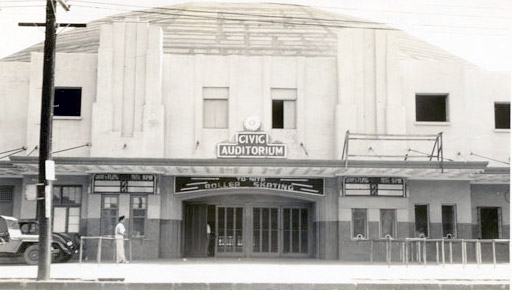
Honolulu's Civic Auditorium: The Heart Of The City's Cultural Scene

Cremation Services That Keep Your Memory Alive: Personalized Memorial Listings In Texas

Unveiling the Secrets of Livingston Parish: A Dive into its Court Records