Unemployment Benefits Texas: Your 2024 Complete Guide to Eligibility, Claims, and Pandemic Changes
Unemployment Benefits Texas: Your 2024 Complete Guide to Eligibility, Claims, and Pandemic Changes
The Texas Workforce Commission (TWC) manages a critical safety net program that provides temporary financial assistance to eligible workers who have lost their jobs through no fault of their own. This system is designed to offer a bridge between employment, helping individuals cover basic living expenses while they search for new opportunities or receive training. Understanding the rules, requirements, and nuances of this process is essential for any Texan navigating a period of unemployment. This guide provides a comprehensive overview of how the program operates in the state.
### The Foundation of Worker Protection in Texas
The state’s unemployment insurance program is a federal-state partnership. While the overall framework is established by federal law, the specific administration and many of the rules are handled at the state level by the TWC. This means the application process, weekly benefit amounts, and specific eligibility criteria are largely determined by Texas regulations. Workers pay into this system through payroll taxes, which fund the benefits paid out to those who qualify.
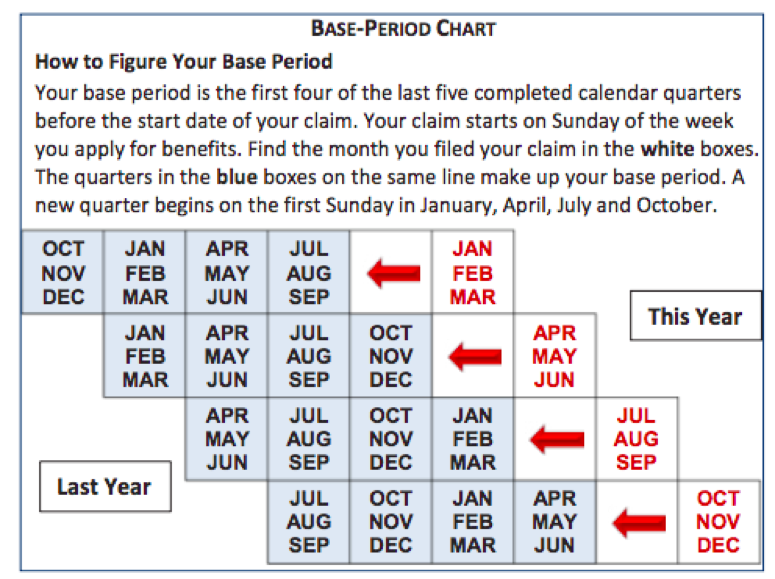
To be eligible for regular unemployment benefits, an applicant must meet three general requirements. First, they must be unemployed through no fault of their own, which typically means they were laid off or their hours were significantly reduced without cause. Second, they must meet the required earnings threshold during a base period, which usually consists of the first four of the last five completed calendar quarters before the claim is filed. Third, the applicant must be physically able, available, and actively seeking work.
The base period is a crucial calculation window that determines initial eligibility and benefit amounts. If an applicant does not have enough earnings in the standard base period, an alternate base period may be used, which looks at the most recent four completed quarters. This ensures that individuals who have recently entered the workforce or had a significant change in employment status can still be considered. Meeting the earnings requirement is not about the total amount, but about demonstrating a consistent pattern of employment during the look-back period.
### Navigating the Application Process
Gone are the days when applications could only be filed by mail or in person. The primary method for applying for unemployment benefits in Texas is now through the internet. The TWC offers an online portal that is designed to be user-friendly and accessible 24 hours a day. This digital system allows claimants to file claims, manage weekly requests, and communicate with the agency efficiently.
To apply online, an individual will need to create a profile using a valid email address and select a unique user ID and password. The application will require detailed information regarding the employer, including the company’s name, address, phone number, and the reason for separation. Accuracy in this section is vital, as any discrepancies can delay processing or lead to denial. The system will also prompt the user for information about their work history and earnings.
* **File a New Claim:** This is the initial step for someone who is unemployed and meets the basic eligibility criteria.
* **File Weekly Claims:** Once approved, claimants must certify their eligibility every week, typically by answering questions about whether they worked, searched for work, or refused suitable employment.
* **Manage Payment Information:** Claimants can update bank account information for direct deposit or manage other account settings through the online portal.
For those who are not comfortable with online applications, alternative methods exist. A phone claim can be made by calling the TWC’s automated system, although wait times can be significant. In rare cases, a paper application may be requested, but the online process is strongly encouraged for speed and convenience. Regardless of the method chosen, the individual will receive a determination letter outlining the decision and next steps.
### Weekly Certifications and the Earnings Test
Obtaining approval is just the first step; to continue receiving benefits, claimants must comply with strict weekly certification requirements. Every week, the claimant must file a claim to confirm they are still eligible for payments. This process often involves answering specific questions about job search activities and availability for work. Failure to file a timely weekly claim will result in a missed payment, and repeated failures can jeopardize the entire claim.
A key component of the weekly certification is the earnings test. If a claimant works any part of the week, they are required to report those earnings. Even a small amount of income can reduce the weekly benefit amount dollar for dollar. The goal is to ensure that the support acts as a bridge, not a permanent replacement for income. For example, if an individual earns $100 during a week and their weekly benefit rate is $300, their benefit for that week may be reduced to $200.
Job search requirements are also enforced rigorously. Claimants are expected to seek employment in their field or, if that is not possible, in a reasonable range of other occupations. This may involve applying for a specific number of jobs per week, attending interviews, or participating in workforce training programs. The TWC may require documentation of these job search activities during certain audits or reviews.
### Pandemic Provisions and Program Extensions
The COVID-19 pandemic placed an unprecedented strain on the unemployment system nationwide, and Texas was no exception. In response to the widespread layoffs and business closures, the federal government created several temporary assistance programs. The Pandemic Unemployment Assistance (PUA) program was designed for self-employed individuals, gig workers, and others who typically do not qualify for regular state unemployment. This program provided a vital lifeline for a segment of the workforce that was previously excluded from traditional benefits.
Additionally, the Federal Pandemic Unemployment Compensation (FPUC) program added a weekly $600 supplement to regular state unemployment checks. While this specific federal supplement has expired, other extensions and programs may still be available depending on the current economic situation and federal legislation. It is important for claimants to stay informed about any active federal programs, as eligibility for these supplements can run concurrently with state benefits.
The TWC has also implemented various grace periods and work-sharing programs. Work-sharing allows employers to reduce hours for a group of employees rather than laying them off entirely. The affected workers can then receive partial unemployment benefits to弥补 the lost hours. This helps businesses retain their workforce during downturns and keeps skilled workers attached to the labor market.
### Common Issues and How to Resolve Them
Navigating the system is not without challenges. One of the most common reasons for denial is the issue of "quit without good cause attached." If an individual voluntarily resigns from a job without a compelling reason, such as harassment or a significant change in terms and conditions, they may be deemed ineligible for benefits. The definition of "good cause" is specific and requires clear evidence to support the claim.
Another frequent issue is the misunderstanding of the earnings requirement. Some applicants assume that any income disqualifies them, but the system is designed to accommodate small earnings while still providing support. The TWC uses a complex formula to calculate the weekly benefit amount based on the highest quarter of earnings during the base period. This ensures that the benefit is proportional to the individual's previous income.
Appealing a decision is a right granted to every claimant. If an application is denied, the individual will receive a written notice explaining the reason. To dispute this decision, a request for a hearing must be filed within a specific timeframe. During the hearing, both parties can present evidence, and an Administrative Law Judge will issue a ruling. This process ensures that all applicants have a fair chance to present their case and obtain the benefits they are legally entitled to.
Looking ahead, the landscape of unemployment benefits continues to evolve. Policy discussions at the state and federal level regularly address the adequacy and accessibility of these vital programs. For the worker in Texas, staying informed about the rules, maintaining accurate records, and filing claims diligently remains the most effective strategy for securing the support they need during a difficult time. The system, while complex, serves a fundamental purpose in protecting the economic stability of the state’s workforce.
Related Post
Unlocking Financial Stability: Navigating Unemployment Benefits in Texas with Ease
Unemployment Benefits Texas Login: Your Complete Step-by-Step Guide to Accessing Texas Unemployment Assistance


