University Of Cincinnati Canopy: A Lush Green Lab Above The Campus
University Of Cincinnati Canopy: A Lush Green Lab Above The Campus
The University of Cincinnati’s campus canopy is transforming from a picturesque backdrop into a critical asset for research, sustainability, and student well-being. This living infrastructure supports academic inquiry in fields ranging from environmental science to urban planning while providing measurable benefits in stormwater management, energy conservation, and mental health. As climate pressures grow, Cincinnati is leveraging its arboreal assets to future-proof the campus and model best practices for dense academic environments.
The university’s commitment to maintaining and expanding its canopy reflects a broader institutional strategy that balances historic preservation with contemporary sustainability goals. By treating trees as essential infrastructure rather than decorative elements, UC is integrating ecological performance into the daily academic experience. This approach demonstrates how a thoughtfully managed canopy can serve as both a laboratory and a sanctuary within a dense urban setting.
Strategic Campus Forestry Planning
UC’s approach to canopy management begins with rigorous data collection and long-term planning. The campus tree inventory, maintained by the Facilities Management team, documents species, size, health, and location for every significant tree on property. This database informs pruning schedules, replacement planning, and risk assessment, ensuring that the canopy remains resilient in the face of pests, disease, and extreme weather.
According to facilities officials, the university follows industry best practices in urban forestry, including guidelines promoted by the Sustainable Urban Forest Council. “We view our campus forests as part of a larger ecosystem that supports biodiversity, captures carbon, and reduces the urban heat island effect,” explains a senior landscape architect involved in long-range planning. This philosophy has guided the replacement of aging ash trees lost to emerald ash borer with diverse species better adapted to future climate conditions.
The university’s tree preservation policies require special review for any removal exceeding a certain diameter, ensuring that canopy loss is minimized and compensatory plantings occur when necessary. This careful stewardship has resulted in a steady canopy cover across campus, even as new buildings and roads are added. Satellite imagery and on-the-ground assessments indicate that UC has largely maintained its tree coverage over the past two decades, a rarity among urban universities undergoing expansion.
Integration With Academic Programs
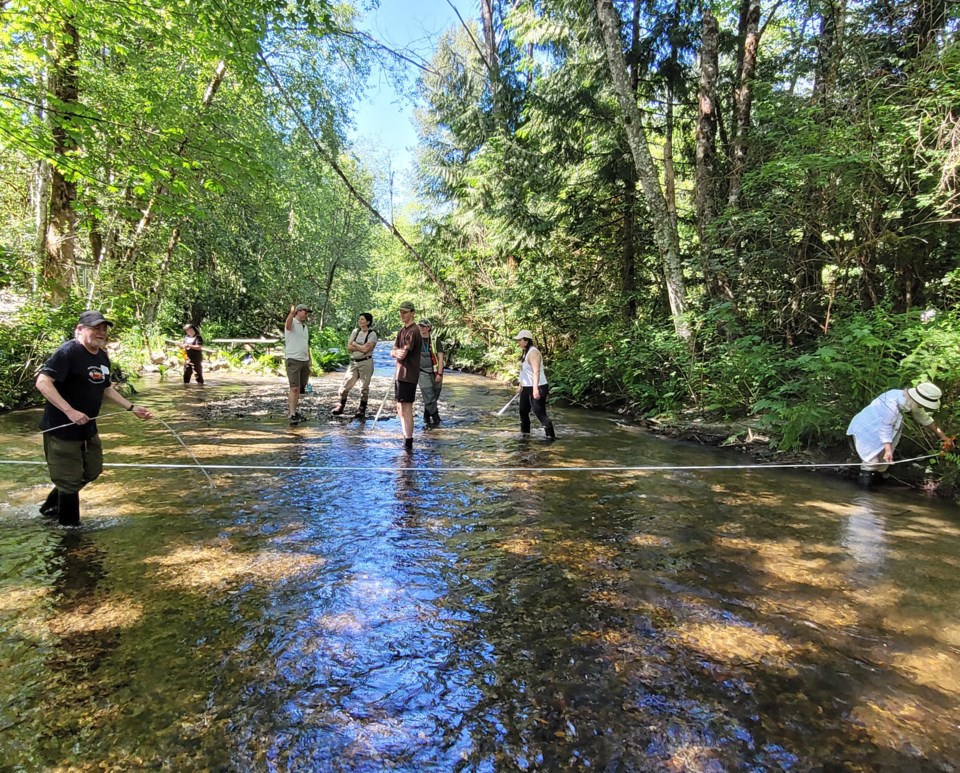
The canopy at UC is not merely a backdrop; it is an active component of the curriculum. Students in biology, landscape architecture, and environmental science regularly conduct field studies on campus, collecting data on phenology, species diversity, and ecosystem health. These projects provide real-world experience while contributing to long-term monitoring efforts.
In the College of Design, Architecture, Art, and Planning, studios often incorporate the analysis of shaded pedestrian routes, microclimate mapping, and the social use of tree-lined spaces. “Our students learn to see the canopy as a design material,” says a professor who frequently incorporates outdoor site analysis into his courses. “They measure light quality under different trees, evaluate user comfort, and consider how mature growth patterns inform long-term planning.”
The university’s willingness to host research trials, such as testing drought-tolerant cultivars or monitoring pollinator activity in landscaped areas, further strengthens the connection between the canopy and academic life. These collaborations often extend into community partnerships, with local schools and nonprofits participating in tree care and educational events.
Climate Resilience And Adaptation
As temperatures rise and precipitation patterns shift, the role of campus canopy in climate adaptation becomes increasingly important. Trees provide shade that reduces surface temperatures on sidewalks, parking lots, and building walls, translating into lower energy demands for cooling. UC’s energy management team has noted reduced cooling loads in buildings surrounded by mature tree cover, particularly during peak summer months.
The university is also studying how different species respond to heat stress and drought. Trial plantings of adaptive species help planners anticipate which trees will thrive in future conditions. In addition to temperature regulation, the canopy plays a critical role in managing stormwater. Tree roots and leaf litter improve soil infiltration, reducing runoff volumes and easing pressure on municipal drainage systems.
These benefits align with broader municipal goals, including Cincinnati’s Green Cincinnati Plan, which emphasizes tree planting and urban forestry as key strategies for climate resilience. UC’s participation in regional efforts to expand canopy cover demonstrates how individual institutions can contribute to larger environmental targets.
Student Experience And Well-Being
Beyond academic and environmental functions, the canopy has a direct impact on student well-being. Studies conducted at UC and other institutions have linked access to green spaces with reduced stress, improved concentration, and better overall mental health. Students frequently cite tree-filled quads and shaded walkways as favorite study and socializing spots.
The university’s recreation and wellness programming also takes advantage of its leafy settings, offering mindfulness sessions, yoga classes, and walking groups beneath the canopy. These activities reinforce the campus identity as a place where learning and reflection can occur in natural surroundings. During peak seasons, the changing foliage provides a visible calendar that helps students and staff orient themselves throughout the academic year.
Concerts, rallies, and informal gatherings under large oaks and maples highlight the social role of these spaces. Event planners often seek locations with robust tree cover to enhance comfort and ambiance. In this way, the canopy functions as both infrastructure and gathering place, supporting the university’s social and cultural life.
Challenges And Future Directions
Maintaining a healthy campus canopy is not without challenges. Space constraints, aging infrastructure, and the need to accommodate new academic and residential buildings require careful negotiation between development and preservation. Utilities, bike lanes, and pedestrian routes must be designed with existing trees in mind to avoid root damage and long-term decline.
Pests and diseases continue to pose ongoing risks, requiring proactive monitoring and integrated pest management strategies. The loss of a single large tree can have outsized impacts on microclimates, energy use, and perceived safety in adjacent areas. To mitigate these risks, UC diversifies its species palette and prioritizes soil health and proper installation practices.
Looking ahead, the university plans to expand monitoring efforts, incorporating sensor technology and remote data collection to assess tree health in real time. These tools could enable more precise irrigation, early detection of stress, and better long-term modeling of canopy growth and change. Collaborative research with external partners may further inform best practices for urban forestry in Midwestern cities.
Community And Regional Impact
UC’s canopy contributes to the broader character of Cincinnati, framing streetscapes and influencing the microclimate of surrounding neighborhoods. Trees along major avenues and near campus borders provide shade for pedestrians and cyclists, reinforcing the city’s commitment to multimodal transportation. The university’s landscape standards often exceed baseline requirements, setting a visible example for adjacent properties.
Partnerships with city agencies and nonprofit groups have amplified the reach of UC’s forestry efforts. Joint tree plantings, educational workshops, and stewardship days engage the broader community in campus and neighborhood greening. These collaborations strengthen ties between the university and the city, reinforcing shared environmental goals.
Measuring Success
The effectiveness of UC’s canopy strategy is evaluated through a combination of quantitative metrics and qualitative observation. Key performance indicators include canopy cover percentage, species diversity, pest and disease incidence, and student usage of shaded spaces. Energy savings attributed to shading are tracked as part of the university’s broader sustainability reporting.
Regular campus climate surveys also capture perceptions of comfort and well-being related to tree cover. High satisfaction ratings in these areas support continued investment in canopy management. By aligning ecological performance with academic mission and student experience, UC has created a model for how universities can harness the power of trees to support their core objectives.
The University of Cincinnati’s canopy represents more than a collection of trees; it is an integrated system that supports research, enhances quality of life, and contributes to climate resilience. Through disciplined planning, interdisciplinary collaboration, and ongoing evaluation, the university demonstrates how strategic investment in green infrastructure can yield long-term benefits for campus and community alike. As urban environments continue to evolve, UC’s canopy offers a proven framework for balancing growth, sustainability, and human well-being.
Related Post