Unlock Iceland Property For Sale: Your Guide to the Frozen Real Estate Frontier
Unlock Iceland Property For Sale: Your Guide to the Frozen Real Estate Frontier
Dreams of pristine glaciers, geothermal hot springs, and landscapes untouched by time are increasingly intersecting with the realities of the Icelandic property market. For the international buyer, Iceland property for sale represents a unique confluence of raw natural beauty, stringent regulations, and a market driven by a permanent housing shortage. This guide cuts through the mystique to provide a factual roadmap for navigating this complex and rewarding investment landscape.
The Icelandic real estate sector is currently defined by a significant deficit in housing supply, particularly in the Capital Region, which encompasses the bustling capital, Reykjavik. This scarcity, combined with a high standard of living and a stable economy, has made property a sought-after commodity. However, the journey from dream to deed is governed by a framework of laws designed to protect the local market and the island's delicate environment.
Understanding the legal and practicalities of acquiring land and homes is the first step for any serious investor or relocating family. The allure of a remote cabin by a black sand beach or a modern apartment with a view of the Northern Lights is powerful, but it must be balanced against the rules that govern foreign ownership.
### The Regulatory Landscape: Who Can Buy What?
One of the most critical aspects of Iceland property for sale is the legal framework surrounding foreign ownership. Unlike some nations with wide-open markets, Iceland maintains strict controls to manage land use and protect its national interests.
* **EU/EEA/Swiss Nationals:** Citizens of European Economic Area (EEA) countries and Switzerland generally have the right to purchase property, including residential homes, with relative ease. They are subject to the same market conditions and taxes as Icelandic citizens.
* **Non-EEA Nationals:** This is where the process becomes more structured. Individuals from outside the EEA typically require approval from the Icelandic Ministry of Justice. This permission is rarely denied for a primary residence but is subject to strict scrutiny. The applicant must usually prove a specific, long-term need for the property that cannot be met through rental agreements.
* **Companies:** Foreign companies face even more significant hurdles. They must demonstrate a "significant economic contribution" to Iceland to be granted permission to buy land. This is a high bar, intended to prevent speculative land purchases by foreign entities.
"The principle is to ensure that foreigners who want to settle in Iceland and contribute to society can do so, but also to safeguard the land and housing for the people of Iceland," explains a Reykjavik-based legal expert specializing in property law. This sentiment is echoed across the legal community, highlighting a national priority on housing accessibility for residents over external investment.
### Navigating the Market: Types of Property and Hotspots
For those who clear the regulatory hurdle, the market offers a diverse, though often challenging, array of properties. The inventory is heavily skewed towards modern apartments in urban centers, with standalone family homes being a rarer and more expensive commodity.
**1. The Urban Apartment:** Reykjavik and its surrounding municipalities are the epicenter of the housing crisis. New apartment buildings are a common sight, but they sell quickly and often command premium prices. These units offer modern amenities and are perfectly positioned for access to the city's amenities, from geothermal pools to vibrant cultural scenes. A typical 2-3 bedroom apartment in a central area can easily start at prices comparable to major European capitals.
**2. The Suburban and Commuter Town Home:** As Reykjavik's core becomes denser and more expensive, attention is turning to neighboring towns like Mosfellsbær, Hafnarfjörður, and Kópavogur. These areas offer a compromise between urban access and a more suburban feel. Properties here are often single-family homes or townhouses, providing more space and land, though the housing stock is generally newer here as well.
**3. The Rural and Remote Retreat:** This is the image that often captures the imagination— a small wooden house perched on a hill overlooking a fjord, or a rustic cabin nestled in the highlands. However, these properties are often not for the faint of heart. Many are classified as "recreational" or holiday homes and come with usage restrictions. Furthermore, properties in remote areas can face challenges with utility connections, maintenance access, and insurance. "Buying a summer house in Iceland is not like buying one in a warmer climate," warns a local real estate agent. "You have to think about winter isolation, potential road closures, and the cost of heating. It’s a lifestyle choice, not just a financial one."
### The Financial and Practical Realities
Beyond the legalities, potential buyers must confront the stark financial realities of the Icelandic market. The cost of living is high, and this is reflected in property prices.
* **Pricing:** While exact figures fluctuate, the market is consistently ranked as one of the most expensive in Europe. Prices are typically quoted in Icelandic króna (ISK), and the conversion to foreign currencies can be daunting.
* **Mortgage Finance:** Securing a mortgage as a foreign national can be difficult. Icelandic banks are cautious, and non-residents often face higher interest rates and larger down payment requirements, sometimes needing to pay in cash for a significant portion of the purchase price.
* **Running Costs:** The expenses do not end at the purchase price. Utility bills, particularly for heating, can be substantial due to the long, cold winters. Property taxes and homeowners' association fees (if applicable) are also factors to consider.
* **The Short-Term Rental Dilemma:** A major point of contention in Iceland is the short-term rental market, largely driven by tourism. Many municipalities, including Reykjavik, have implemented strict regulations, including bans or severe caps on short-term rentals in residential areas. For investors looking to offset costs by renting to tourists, this creates a significant hurdle and requires meticulous research into local bylaws.
### The Appeal Beyond the Transaction
So, why do people navigate this complex web? For some, it is the ultimate lifestyle change, a move to a society with a remarkable work-life balance, stunning natural beauty, and a sense of community. For others, it is a long-term investment in a unique and stable country.
The appeal is deeply personal. It is the architect who dreams of designing a home that incorporates the latest in sustainable technology, taking advantage of Iceland's geothermal energy. It is the family seeking a different educational and cultural environment for their children. It is the retiree looking for a peaceful sanctuary with a view of a glacier.
The process demands patience, research, and professional guidance. Engaging a local lawyer is not just a formality; it is essential. They will help you understand the contract, navigate the land registry (Þingskrá Íslands), and ensure all regulations are followed. A real estate agent familiar with the specific nuances of the local market can be invaluable in finding a property that matches your needs and budget.
Iceland property for sale is not a get-rich-quick scheme. It is a journey into a specific corner of the global market, one defined by natural wonders, strict rules, and a persistent housing shortage. For those who are prepared, the reward is not just a piece of land or a building, but a key to a life intertwined with the dramatic and beautiful landscape of the North Atlantic. It is an investment in a specific vision of life, one that requires equal parts pragmatism and passion.
Related Post

Leighton Meester’s Marriage Revealed: The Quiet Love That Defied Hollywood Glamour

How to Seamlessly Access Your Jackson Hewitt MyJGH Account: The Ultimate Login Guide
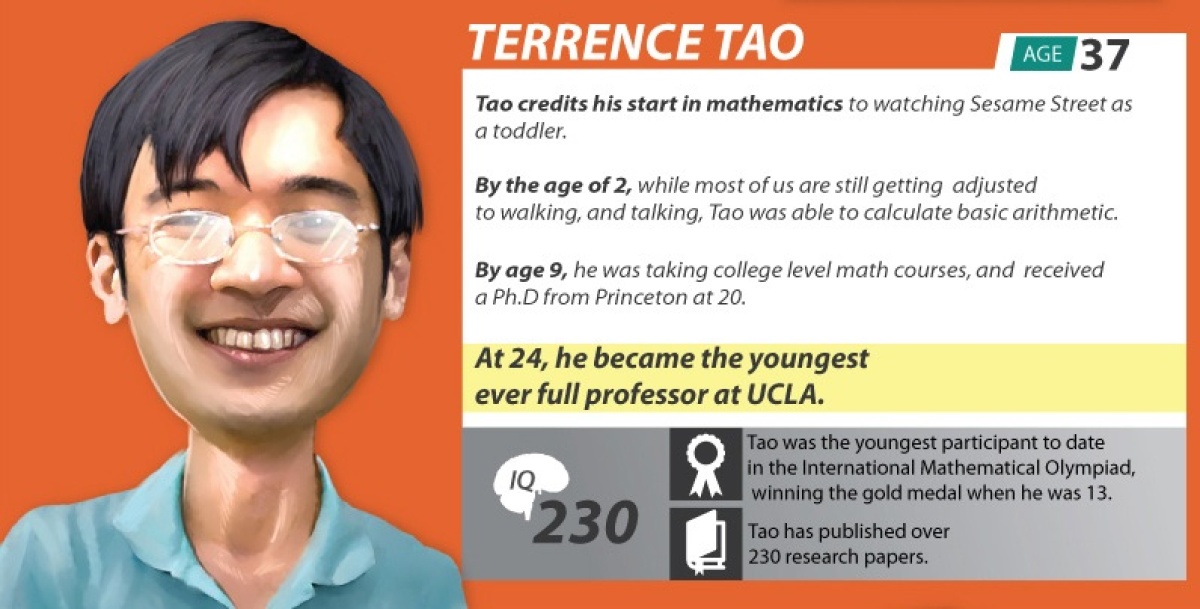
Top 10 Smartest People In History: Their Incredible Stories That Redefined Genius
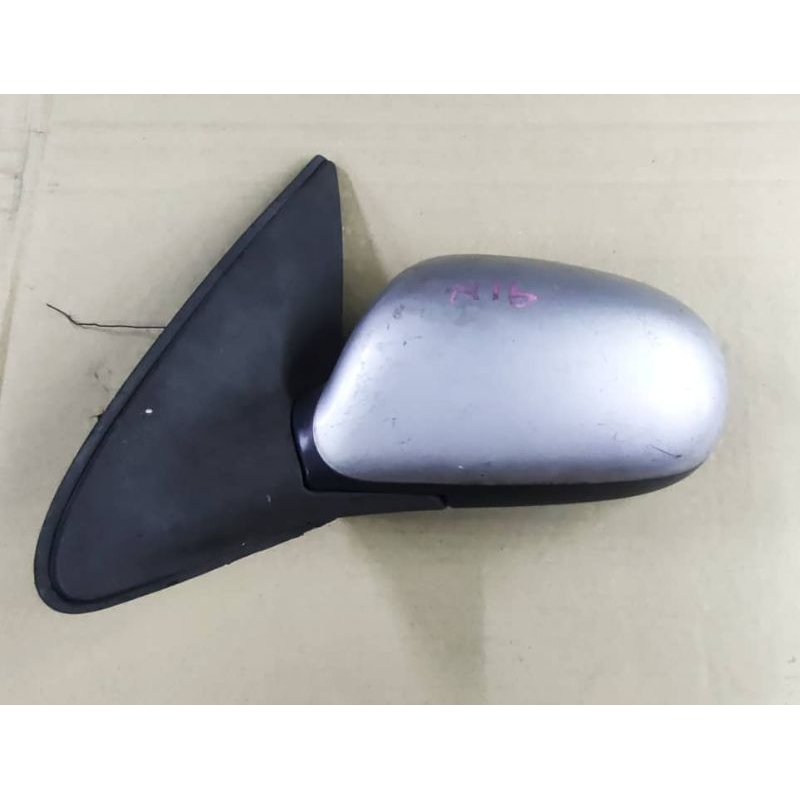
Nissan Sentra N16 Side Mirror: A Deep Dive into Design, Function, and Performance


