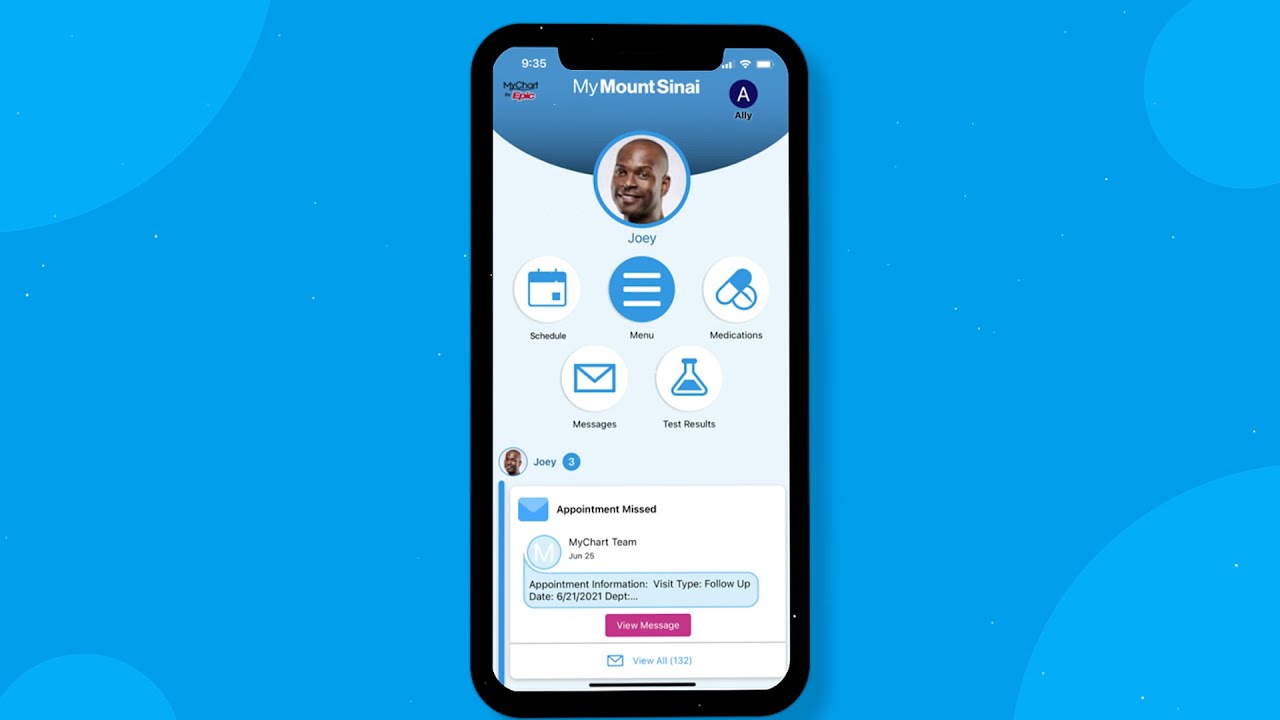
Unlock the Power of MyChart at Mount Sinai: Your Complete Guide to Digital Healthcare
Unlock the Power of MyChart at Mount Sinai: Your Complete Guide to Digital Healthcare
The Mount Sinai Health System has embraced digital transformation to empower patients through its comprehensive patient portal, MyChart. This secure online platform provides individuals with unprecedented access to their personal health information, streamlining communication with providers and simplifying the management of medical appointments. Whether checking test results, messaging a doctor, or scheduling a visit, MyChart serves as a centralized hub for maintaining personal wellness.
For decades, the patient-doctor relationship relied heavily on in-person visits and phone tag. However, the advent of robust health information technology has reshaped how individuals interact with their healthcare providers. At Mount Sinai, the implementation of MyChart represents a significant step toward a more patient-centric model, aligning with broader industry shifts toward value-based care and digital accessibility.
What is MyChart and How Does it Work?
MyChart is a secure, web-based application that serves as a personal health record for patients affiliated with the Mount Sinai Health System. It provides a single location where individuals can view portions of their medical history, including diagnoses, medications, allergies, and immunizations. Essentially, it digitizes the traditional paper chart, placing critical health data directly into the hands of the patient.
Access to the platform is typically granted following a referral from a Mount Sinai clinician or through the activation process during registration at a participating facility. The system is designed with stringent security protocols to ensure patient privacy and comply with federal regulations such as HIPAA. Users create a unique username and password to enter the portal, verifying their identity before gaining access to their protected health information.
The functionality of MyChart extends beyond mere viewing. It is an interactive tool that facilitates active participation in one's healthcare journey. Patients are not merely spectators; they become collaborators in their treatment plans.
Core Functionalities and Features
The platform is built to handle a variety of essential healthcare tasks. These features are designed to reduce administrative burdens and improve the overall patient experience. Key functionalities include:
Viewing test results as soon as they are finalized by the laboratory.
Refilling prescription requests and viewing current medications.
Sending secure messages to care providers for non-emergency inquiries.
Scheduling and managing upcoming appointments.
Reviewing immunization records and allergy lists.
Accessing discharge summaries and visit notes.
Paying bills electronically.
These features are interconnected, creating a seamless ecosystem for health management. For example, a patient can review a recent lab result within MyChart, message their doctor regarding the implications, and then schedule a follow-up appointment—all without ever making a phone call.
The Advantages of Digital Health Engagement
The integration of a platform like MyChart offers numerous benefits for both patients and healthcare providers. For patients, the most significant advantage is convenience. Health information is no longer confined to a single hospital or the memory of a physician; it is accessible from any device with an internet connection. This accessibility fosters greater engagement and encourages patients to take a more active role in managing their health.
From a clinical perspective, MyChart streamlines communication. Secure messaging reduces the need for administrative staff to relay information, allowing providers to focus on patient care. It also provides a documented trail of communication, which can be crucial for continuity of care. Furthermore, the ability to view upcoming schedules helps patients manage their time and reduces the likelihood of missed appointments.
Enhancing Chronic Disease Management
For individuals managing chronic conditions such as diabetes or hypertension, MyChart can be a vital tool. Patients can track trends in their vital signs and lab results over time, providing a comprehensive view of their health status between visits. This longitudinal data is invaluable for both the patient and the provider when making decisions about medication adjustments or lifestyle changes.
Dr. Emily Carter, an endocrinologist at Mount Sinai who utilizes the portal extensively, notes the impact on patient monitoring. "We are seeing patients who are more informed and engaged," Dr. Carter explains. "MyChart allows us to catch subtle changes in glucose levels or medication adherence before they escalate into serious issues. It has transformed how we manage chronic illnesses, moving from reactive treatment to proactive management."
Navigating the MyChart Interface
While the concept of a patient portal is straightforward, the interface can appear complex to first-time users. Mount Sinai has designed the portal with usability in mind, but understanding the layout is key to maximizing its utility. The dashboard typically displays upcoming appointments, recent messages, and critical health alerts.
Navigation is generally intuitive, with menus categorized by function—such as "Appointments," "Messages," "Health Records," and "Billing." Icons and clear labeling help users locate the specific task they wish to perform. For those who may feel intimidated by technology, Mount Sinai often provides instructional guides or classes to help patients become familiar with the system.
Troubleshooting Common Issues
Even the most user-friendly systems can encounter issues. Common problems include forgotten passwords, difficulty receiving activation emails, or trouble viewing specific documents. Mount Sinai provides robust support to address these challenges. The help desk is usually the first point of contact, offering guidance to reset credentials or verify account information.
It is important to remember that MyChart is a tool for non-emergent communication. If a user encounters a critical health issue, they are always advised to call 911 or visit the emergency department immediately. The portal is designed for convenience, not crisis intervention.
The Future of Patient-Provider Interaction
The trajectory of healthcare is undeniably digital. Platforms like MyChart are not just convenient accessories; they are becoming central to the healthcare delivery model. Mount Sinai continues to evolve its portal, adding features such as virtual visit integration and expanded telehealth capabilities. This evolution aims to further blur the lines between in-person and remote care, providing flexibility and access to patients regardless of their location.
As technology advances, the data shared through MyChart will become even more powerful. The potential for predictive analytics and artificial intelligence to analyze patient data and flag potential health risks is on the horizon. This proactive approach to health management promises to improve outcomes and reduce the burden on the healthcare system.
For patients at Mount Sinai, embracing MyChart is more than just accessing records. It is about participating in a modern healthcare system that prioritizes communication, accessibility, and empowerment. The portal represents a partnership—one where technology bridges the gap between the patient and the provider, fostering a healthier future for all.
Related Post
Mt Sinai MyChart: Your Complete Digital Front Door to World-Class Healthcare