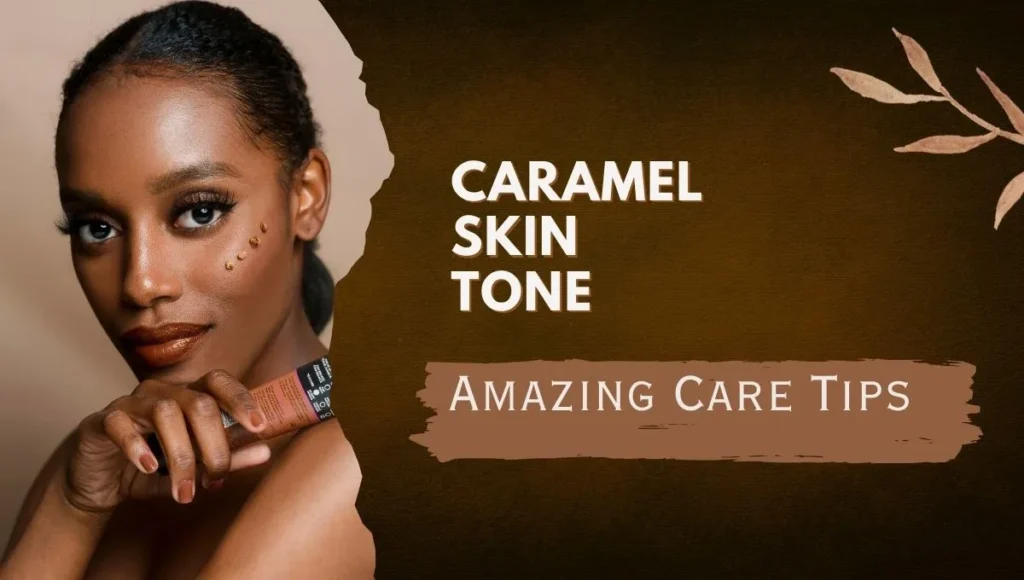
Unlock the Secret to Caramel Skin: Your Path to Flawless, Glowing Confidence
Unlock the Secret to Caramel Skin: Your Path to Flawless, Glowing Confidence
In the dynamic world of dermatology and cosmetic science, the pursuit of an ideal skin tone has led to the rise of coveted aesthetic goals, among which "caramel skin" stands out as a benchmark of health and radiance. This specific skin undertone, often described as a warm, golden-brown with subtle luminosity, represents a spectrum that blends depth with vibrancy, moving beyond simple color to encompass texture and light reflection. Achieving and maintaining this coveted look involves a holistic approach, merging understanding of melanin biology with advanced skincare strategies and professional interventions, ensuring the result is not just a color, but a state of skin wellbeing.
Caramel skin is not a static destination but a dynamic canvas influenced by genetics, environment, and care. It is characterized by a balanced melanin profile that provides a rich, warm base without the ashy or sallow tones that can accompany other complexions. The journey to this aesthetic is deeply personal, requiring a blend of daily diligence and expert guidance to navigate the myriad of products and procedures available. This article delves into the science behind this beautiful skin tone, offering a comprehensive roadmap to achieving a healthy, luminous caramel complexion.
The Science of the Suntan: Understanding Melanin and Caramel Hues
At the heart of caramel skin lies melanin, the pigment responsible for the color of our skin, hair, and eyes. There are two primary types of melanin: eumelanin, which produces brown and black tones, and pheomelanin, which contributes to red and yellow hues. Caramel skin typically features a higher concentration of eumelanin, creating its characteristic warmth and depth. The specific ratio and type of melanin determine where an individual falls on the Fitzpatrick skin phototype scale, a classification system dermatologists use to assess skin color and its response to UV light.
Type III to Type IV skin on this scale often corresponds to what is visually described as caramel skin. Individuals with these types typically tan easily and burn minimally, possessing a natural golden or olive undertone. The color is achieved when melanin granules are distributed throughout the epidermis and absorbed by keratinocytes, the primary cells of the outer skin layer. This biological process is a sophisticated defense mechanism, but with the right approach, it can be supported to reveal a uniform and desirable caramel glow.
- Eumelanin: The brown-black pigment providing the depth of the caramel tone.
- Pheomelanin: The red-yellow pigment contributing to the warm, golden undertones.
- Melanocyte Activity: Cells in the basal layer of the epidermis produce melanin, which is then transferred to surrounding skin cells.
Building Your Caramel Skin Foundation: The Non-Negotiables
Before considering enhancement treatments, establishing a rock-solid daily skincare routine is paramount. This foundation protects the existing tone and prevents regression caused by environmental aggressors. Sun protection is the single most critical step, as UV exposure is the primary driver of uneven pigmentation and premature aging, which can dull the caramel radiance.
Consistency is key when it comes to maintaining this specific complexion. The goal is to support the skin's natural balance, enhancing its golden notes while ensuring an even texture. This requires a multifaceted approach that addresses both prevention and correction.
1. Defense: The Cornerstone of Radiance
Sunscreen is not merely a tool for preventing sunburn; it is an essential pigment protector. For those with caramel skin, a broad-spectrum SPF 30 or higher is mandatory, applied every morning, rain or shine. Physical (mineral) sunscreens containing zinc oxide or titanium dioxide are often ideal, as they sit on the skin's surface to deflect UV rays and are generally less likely to cause irritation on deeper tones. Chemical sunscreens can also be effective but require careful selection to avoid flashback in photos.
2. Nourishment and Cellular Turnover
A daily regimen should include a gentle cleanser to remove impurities without stripping the skin's natural oils. Exfoliation, performed 1-3 times per week, is crucial for caramel skin as it helps to slough off dead skin cells that can accumulate and create a dull surface. This reveals the brighter, more evenly toned skin beneath. Ingredients to look for include:
- Vitamin C: A powerful antioxidant that brightens the complexion and helps to inhibit melanin production, evening out skin tone.
- Hyaluronic Acid: Provides essential hydration, plumping the skin and diminishing the appearance of fine lines.
- Niacinamide (Vitamin B3): A multitasking hero that improves skin barrier function, reduces redness, and can help manage hyperpigmentation.
Advanced Pathways to Enhancement: Professional Treatments and Targeted Serums
While a dedicated at-home routine is the bedrock of good skin, professional treatments can offer significant acceleration and correction for specific concerns. Consulting with a board-certified dermatologist or licensed esthetician is the best way to determine which procedures are suitable for your individual skin type and goals.
For caramel skin, the aim is to enhance luminosity and tackle issues like mild hyperpigmentation or texture without disrupting the natural warmth. A variety of modalities can be employed, each with its specific mechanism of action.
In-Clinic Procedures
- Chemical Peels: Superficial to medium-depth peels using glycolic acid, lactic acid, or salicylic acid can dramatically improve texture, minimize pore size, and brighten the skin. These treatments encourage controlled exfoliation and collagen production.
- Laser Resurfacing: Fractional lasers, such as Fraxel, create microscopic columns of heat within the skin, stimulating rapid cell turnover and collagen growth. This is highly effective for addressing sun damage, acne scars, and overall tone.
- Intense Pulsed Light (IPL): Often referred to as a "photo facial," IPL targets pigment irregularities and redness, effectively "smoothing out" the complexion and allowing the caramel base to shine through evenly.
Topical Powerhouses
For those preferring a topical approach, or as a complement to professional treatments, specific serums can deliver potent results. Look for formulations that combine active ingredients for a synergistic effect.
"We see a significant shift in patient interest towards preventative and corrective skincare that respects natural skin tones," says Dr. Anya Sharma, a leading dermatologist in New York City. "For deeper skin tones, the focus is no longer just on lightening, but on amplifying natural radiance and ensuring an even, healthy canvas. Ingredients like stabilized vitamin C, retinoids, and peptides are game-changers in this regard."
Lifestyle Synergy: The Internal-External Connection
External care is only one half of the equation. True skin health is a reflection of internal wellbeing. The foods you consume and the lifestyle you lead play a significant role in the quality and appearance of your caramel skin.
A diet rich in antioxidants helps to combat oxidative stress, a major contributor to premature aging and dullness. Hydration is equally vital; water intake supports cellular function and helps maintain the skin's plumpness and elasticity. Furthermore, managing stress levels through mindfulness, exercise, or adequate sleep can reduce the production of cortisol, a hormone that can exacerbate inflammation and skin issues.
- Antioxidant-Rich Foods: Berries, leafy greens, nuts, and green tea.
- Healthy Fats: Avocados, fatty fish, and olive oil support the skin's lipid barrier.
- Lean Proteins: Essential for the repair and regeneration of skin cells.
Embracing Your Unique Radiance
Ultimately, the pursuit of caramel skin is about enhancement, not erasure. It is about working with your unique genetic blueprint to maximize its potential. The goal is not to achieve a color that is someone else's, but to cultivate a version of your own skin that is as healthy, luminous, and confident as possible.
By understanding the science, committing to a diligent routine, and potentially exploring professional guidance, you can unlock the secrets to a glowing, even-toned complexion. Caramel skin is a beautiful and versatile aesthetic, and with the right knowledge and care, it is an achievable and sustainable reality for many.
Related Post
The Science and Culture of Caramel Skin Color: Understanding Tone, Undertone, and Representation

Caramel Skin: The Timeless Elegance Behind a Rich, Glowing Complexion

Embrace Your Radiant Caramel Skin: The Definitive Guide to Flawless, Radiant Tone Care

Defining The Shades Of Caramel Skin Color: A Detailed Exploration