Unlocking Chicago: How the City’s Zip Codes Reveal Hidden Economic and Cultural Divides
Unlocking Chicago: How the City’s Zip Codes Reveal Hidden Economic and Cultural Divides
In Chicago, a handful of digits quietly dictate access to opportunity, shaping where people live, work, and thrive. The city’s patchwork of zip codes maps not only streets and neighborhoods but also stark socioeconomic divides, influencing everything from school quality to life expectancy. This guide explores how Chicago’s numbering system functions as both a practical tool and a powerful symbol of inequality.
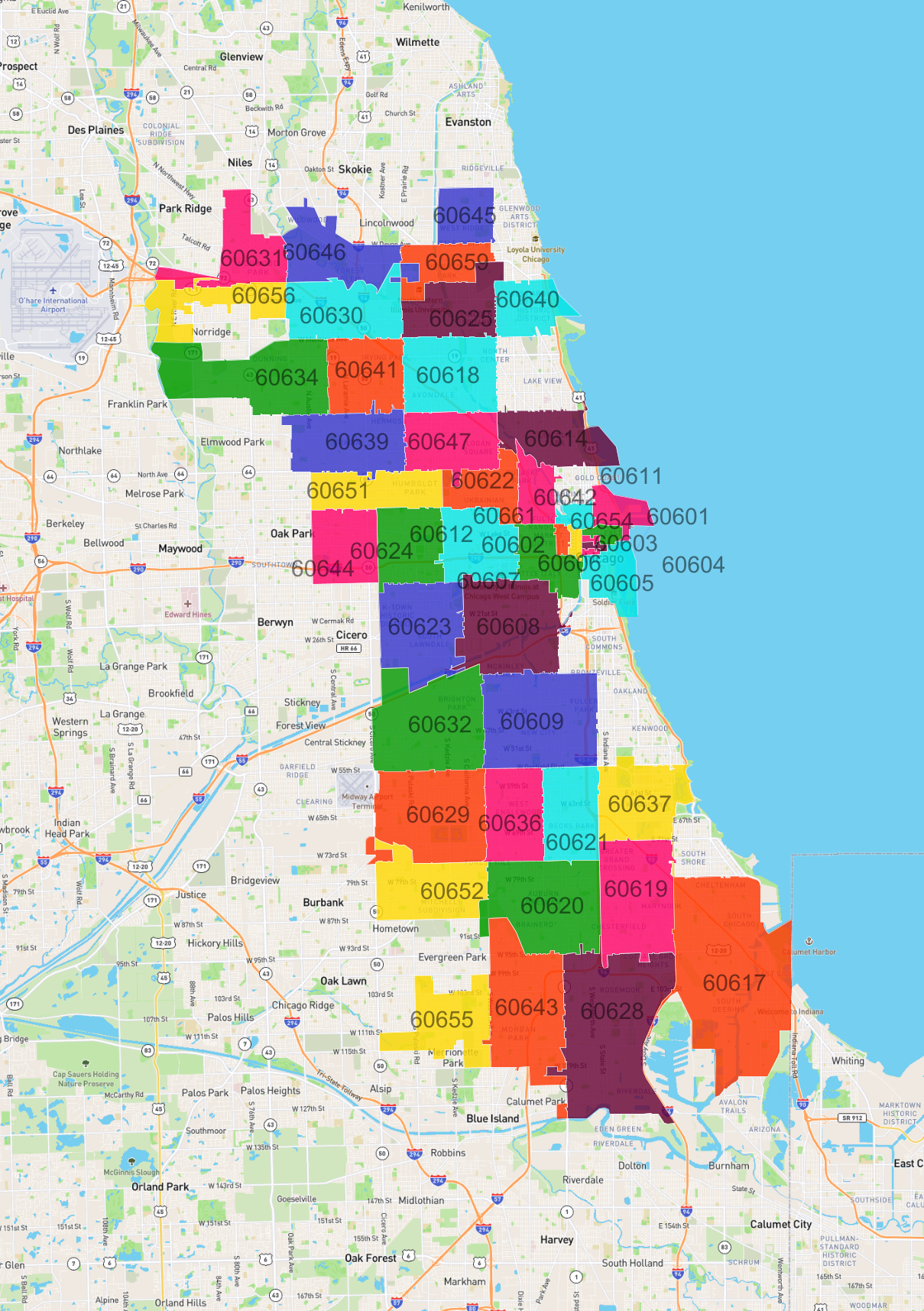
The Logic Behind the Numbers: How Chicago Zip Codes Are Organized
At first glance, Chicago zip codes might seem like a random string of numbers, but they follow a deliberate geographic pattern. Established by the U.S. Postal Service, the numbering system was designed to streamline mail delivery across a sprawling, densely built urban landscape.
Generally, zip codes increase as you move outward from the downtown core, though with notable exceptions and overlapping areas. Understanding this layout offers insight into the historical growth and demographic shifts of the city.
- Downtown and Near North Side: Codes in the 60601–60605 range cover the heart of the Loop, River North, and parts of Streeterville. These areas are typically high-density, with a mix of residential, commercial, and institutional properties.
- North Side Expansion: As you head north, you’ll encounter 60610–60657, encompassing neighborhoods like Lincoln Park, Lakeview, and Rogers Park. These areas often feature older apartment buildings, tree-lined streets, and vibrant commercial corridors.
- South Side and Far South Side: The 60615–60668 range largely covers South Side neighborhoods such as Bronzeville, Hyde Park, and portions of Englewood. This region reflects decades of industrial change and community resilience.
- West Side: Zip codes from 60612–60624 and 60644–60652 include areas like West Garfield Park, Austin, and Humboldt Park, each with distinct cultural identities and economic challenges.
Beyond Mail: Zip Codes as Predictors of Opportunity
Research increasingly shows that a Chicago zip code is one of the most significant determinants of life outcomes. Where a child is born can influence their access to quality education, safe housing, healthy food, and career networks.
In an analysis of socioeconomic indicators, neighborhoods in the southern and western portions of the city frequently report higher rates of poverty, unemployment, and underfunded schools. Meanwhile, northern and downtown-adjacent zip codes often benefit from greater investment, lower crime rates, and higher property values.
Case Study: 60605 vs. 60621
Consider two extremes within Chicago’s system:
- 60605 (Gold Coast, Streeterville): Median household income exceeds $200,000, with low unemployment and high rates of college completion. Real estate here commands some of the highest prices in the nation.
- 60621 (Englewood, parts of Washington Park): Median household income is below $25,000, with significant challenges in accessing full-service grocery stores and reliable public transportation. Vacancy rates and housing instability are disproportionately high.
The gap isn’t just economic; it manifests in health outcomes, with residents in 60621 facing higher rates of chronic conditions and lower life expectancy compared to those in 60605.
Historical Roots of the Divide
To understand why these divides persist, one must look to the history of housing policy, redlining, and disinvestment. The current zip code map is, in many ways, a relic of decades of systemic decisions that restricted where Black and immigrant families could live and invest.
- Redlining: In the 1930s, federal agencies graded neighborhoods based on perceived “risk,” often demarcating communities of color as hazardous. These grades influenced lending practices for generations.
- White Flight and Blockbusting: Post-WWII migration patterns and discriminatory real estate tactics accelerated disinvestment in certain areas, solidifying racial and economic segregation.
- Urban Renewal Projects: Many neighborhoods were displaced in the name of “progress,” with new infrastructure and zoning decisions that favored commercial and industrial uses over community stability.
As Dr. Khalai Abdullah, a Chicago-based urban sociologist, notes:
“Zip codes in Chicago aren’t just mail routes; they are markers of historical trauma and resilience. When we see 60607, we see a neighborhood that fought to rebuild after the Great Fire, while 60620 tells a story of deindustrialization and the struggle to maintain community institutions. These codes encapsulate generations of policy choices.”
Economic Impact and Modern Challenges
Today, Chicago’s zip codes continue to shape economic dynamics. Businesses use them to target marketing, real estate agents price homes accordingly, and city planners allocate resources based on perceived need.
However, this system also reinforces inequality. High-property-value areas generate more tax revenue, enabling better schools, parks, and infrastructure, while low-income areas struggle to break the cycle of disinvestment.
Key Trends Shaping Chicago’s Zip Code Landscape
- Gentrification: Neighborhoods like Logan Square (60622, 60647) have seen rapid development, raising property values and displacing long-term residents.
- Transit Deserts: Many South and West Side zip codes lack frequent access to public transportation, limiting job opportunities for residents.
- Digital Divide: In an increasingly connected world, some areas with older infrastructure still lag in high-speed internet access, affecting education and remote work.
Community-Led Efforts for Change
Despite these challenges, numerous organizations are working to bridge the gaps created by zip code inequality. From community land trusts to neighborhood-based workforce programs, residents are reclaiming agency.
- Englewood Food Co-op: A community-owned grocery store aiming to improve food access in 60621.
- South Side Home Movie Project: An initiative preserving the history and stories of South Side neighborhoods through resident-collected films.
- Local Credit Unions: Financial institutions in areas like 60613 and 60609 focus on providing microloans and financial education to underserved populations.
Navigating Chicago with an Awareness of Zip Codes
For policymakers, businesses, and residents alike, understanding the implications of Chicago zip codes is essential. It’s about recognizing that behind every number is a complex community with unique needs and strengths.
As the city continues to evolve, the goal should be to ensure that a zip code does not predict a person’s destiny. Strategic investment, inclusive planning, and community partnership are key to creating a more equitable future for all Chicagoans, regardless of their postal code.
Related Post
Chicago Zip Codes Find Any Address In The Windy City: The Ultimate Guide
North Chicago Zip Codes Find Your Neighborhood: A Precise Guide to Locales and Logistics
Discover the Secrets of Chicago Zip Codes: A Complete Guide
Chicago Zip Codes Decoded: The Hidden Patterns Powering the City’s Core