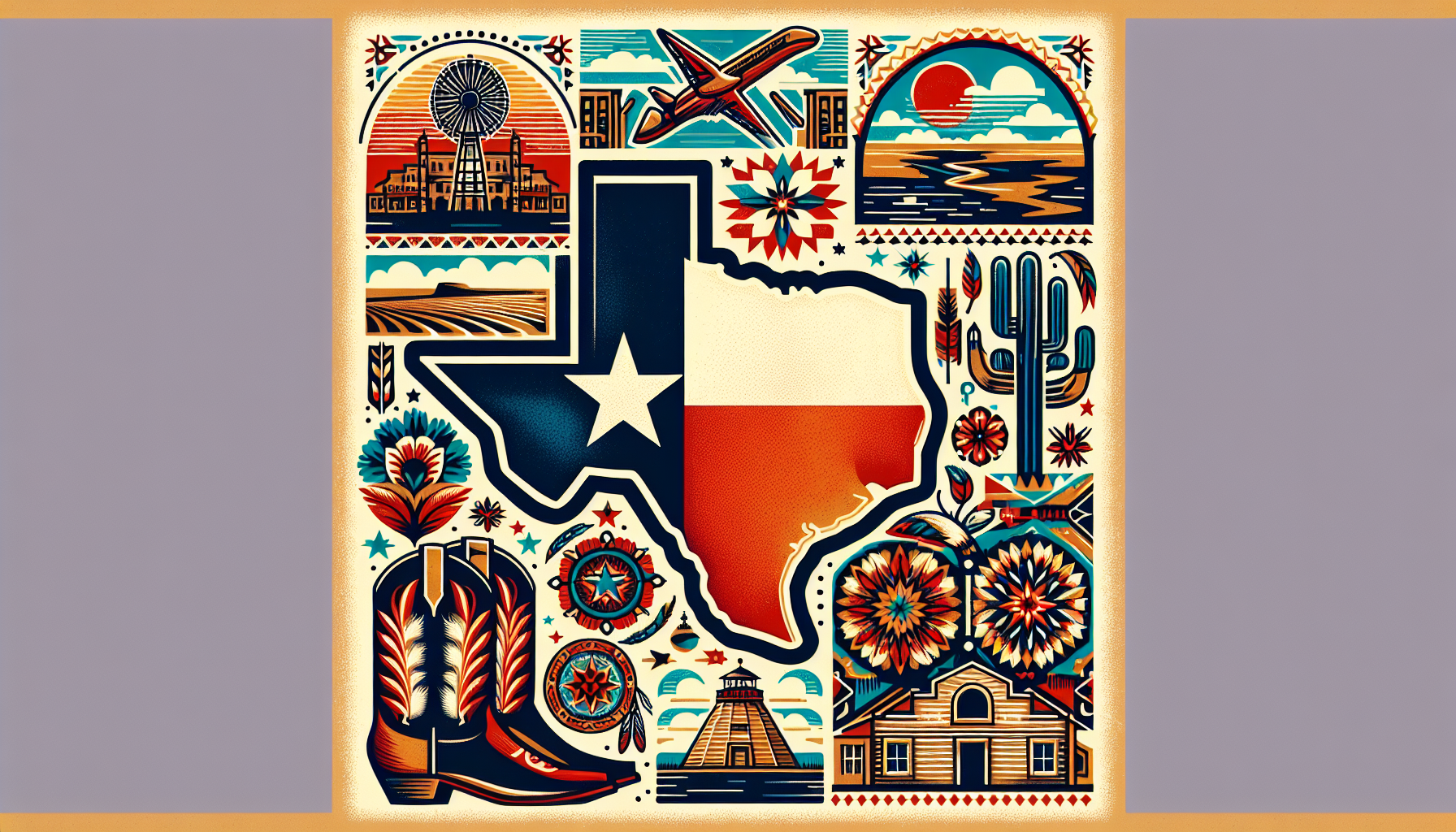
Us Lone Star State: How Texas Became America’s Undisputed Economic and Cultural Powerhouse
Us Lone Star State: How Texas Became America’s Undisputed Economic and Cultural Powerhouse
Texas has long been viewed as a state apart, where energy booms, sprawling metros, and frontier resilience converge to shape the American narrative. Today, the Lone Star State stands as the nation’s second-largest economy, a migration and business magnet, and a cultural trendsetter with few peers. Beneath the cowboy hats and sprawling skylines lies a complex engine of policy, industry, and people driving transformation at a relentless pace.
From oil derricks to data centers, Texas has continually reinvented itself while clinging to a distinct identity rooted in independence and pragmatism. Its mix of business-friendly regulations, abundant land, and diverse talent has drawn corporations and workers from across the country, reshaping demographics and politics. As the population surges and climate pressures mount, the state faces critical choices about infrastructure, education, and equity that will determine its next chapter.
Texas consistently adds more residents than any other state, a trajectory fueled by jobs, relatively low costs, and a steady in-flow of newcomers from California and other parts of the U.S. This growth has translated into political influence, economic clout, and cultural reach, making Texas a laboratory for competing visions of development and governance. From Dallas-Fort Worth to Houston and San Antonio to Austin, the state’s major regions are laboratories of business, culture, and innovation, each with its own flavor.
Throughout much of the twentieth century, Texas was defined by oil, cattle, and an agrarian rhythm that shaped its politics and priorities. The discovery of major fields at Spindletop in 1901 and subsequent developments turned Houston into a global energy hub, laying the foundation for an economy built on extraction, refining, and petrochemicals. While the boom-and-bust cycles of the energy sector have always been part of the Texas story, the state has steadily diversified into aerospace, healthcare, technology, and finance.
In recent decades, Texas has aggressively courted businesses with no state income tax, a relatively light regulatory environment, and an extensive network of highways, railways, and ports. Companies ranging from Toyota and Tesla to Oracle and SpaceX have made significant investments in the state, often citing cost savings and operational flexibility as decisive factors. The result is an economic footprint that rivals entire countries and a workforce that spans drilling rigs, data centers, research labs, and film sets.
• Energy remains a cornerstone, with Texas producing more oil and natural gas than any other state and hosting a vast network of refineries and chemical plants along the Gulf Coast.
• Technology and innovation are growing rapidly, particularly in Austin and Dallas, where lower costs and a steady talent pipeline have turned the region into a major tech corridor.
• Healthcare and biomedical research are expanding in Houston, home to the Texas Medical Center, the world’s largest concentration of healthcare and research institutions.
• Agriculture and livestock endure as iconic industries, with Texas leading in cattle, cotton, and increasingly, renewable agricultural products.
The state’s business culture prizes deal-making, low taxation, and a hands-off approach to oversight, which has drawn praise from chambers of commerce and corporate boards. However, critics argue that light regulation can come at the cost of worker protections, environmental safeguards, and long-term resilience. Hurricanes, heat waves, and floods have exposed vulnerabilities in infrastructure and emergency response, prompting renewed debates about public investment and planning.
Texas politics are often framed as a tug-of-war between traditional conservative values and a diversifying population that is younger, more urban, and more multicultural. The state’s growth hubs, particularly Austin and the Dallas-Fort Worth metroplex, have leaned increasingly Democratic, while rural and smaller-town areas remain staunchly Republican. This divide shapes battles over voting rules, school curricula, housing policy, and climate strategy, with national implications for both parties.
Culture in Texas is equally layered, blending country music, rodeo traditions, Tex-Mex cuisine, and a growing international influence. Cities like Houston and Dallas have become global destinations for food, arts, and sports, hosting professional teams, world-class museums, and vibrant music scenes. Yet even as the cultural landscape evolves, symbols of the Lone Star State— cowboy boots, pickup trucks, and a fiercely defended sense of independence—remain potent markers of identity.
In education, Texas is confronting the challenge of equipping a rapidly growing and increasingly diverse population with the skills needed for a modern economy. The state’s top universities, including the University of Texas at Austin and Texas A&M, are research powerhouses, yet community colleges and workforce programs play a critical role in meeting labor demands. Debates over school funding, standardized testing, and curriculum standards continue to resonate across the state and beyond.
Infrastructure is perhaps the most visible front in Texas’s ongoing transformation. Congested highways, strained power grids, and aging water systems underscore the pressure that rapid growth places on physical systems. Large-scale projects, such as high-speed rail proposals and expanded port facilities, aim to position Texas for future competition, but financing and political will remain hurdles. Climate adaptation is increasingly central to planning, as rising temperatures and unpredictable storms demand new approaches to development and conservation.
Across South Texas, the border region illustrates both the promise and complexity of Texas’s evolving story. Trade with Mexico fuels industries on both sides of the border, while communities grapple with questions of security, humanitarian response, and long-term demographic change. The state’s role as a gateway to Latin American markets and cultures continues to be a strategic asset, even as policy disputes and enforcement priorities spark intense national debates.
Looking ahead, Texas will likely remain at the center of conversations about the future of American energy, migration, and economic competitiveness. Its choices on renewable energy, water management, and urban development will affect not only its residents but also the broader national landscape. Through it all, the Lone Star State continues to embody a distinct blend of ambition, tradition, and reinvention that keeps it at the forefront of the American imagination.
Related Post