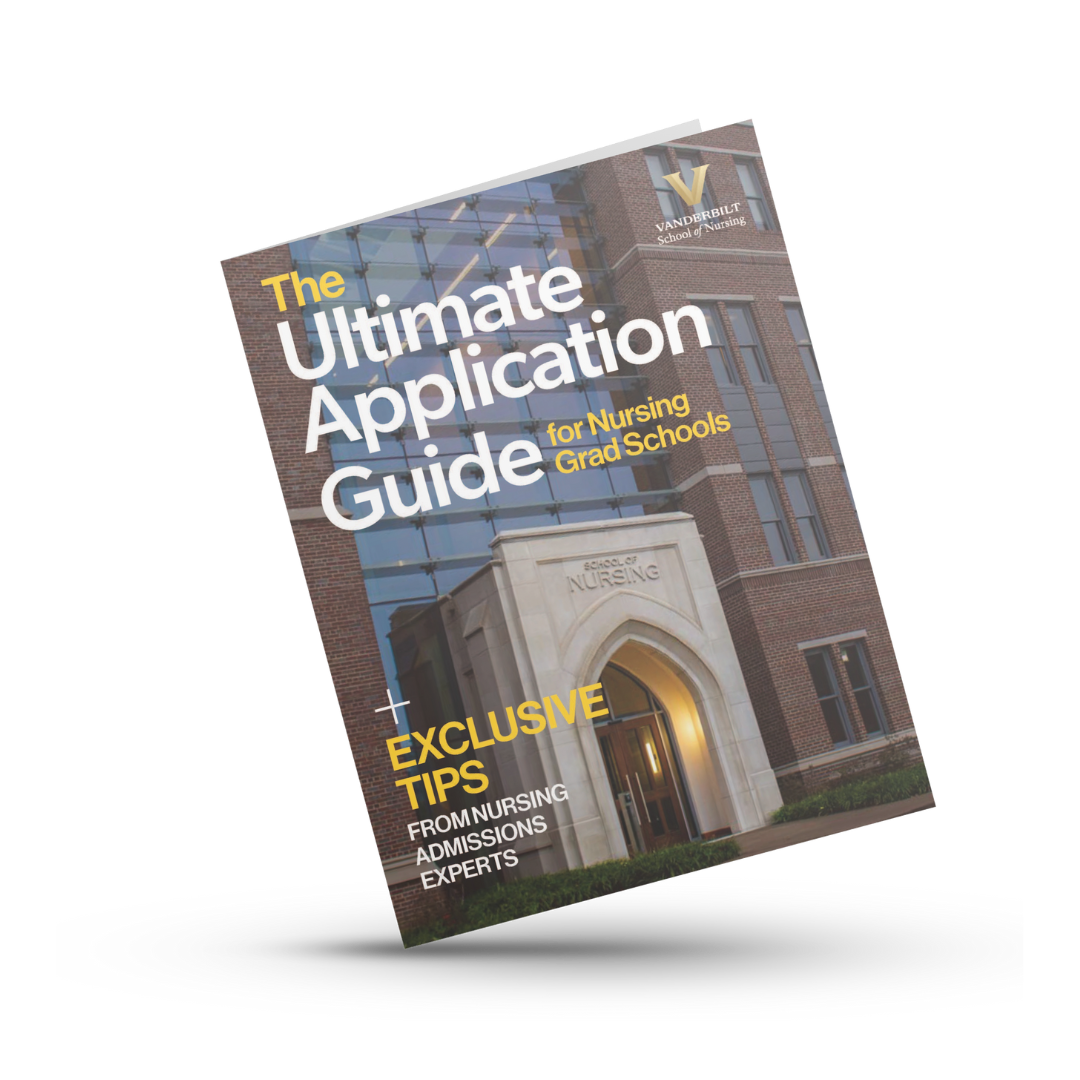
Vanderbilt Application Portal 2024: Step-by-Step Guide to Submitting Your Application
Vanderbilt Application Portal 2024: Step-by-Step Guide to Submitting Your Application
The Vanderbilt University Application Portal serves as the central digital gateway for prospective students seeking admission to one of the nation's premier research institutions. This comprehensive online system streamlines the submission of academic records, standardized test scores, essays, and financial information. Navigating this portal efficiently is critical for a complete and timely application review.
The landscape of higher education admissions has become increasingly digitized, and Vanderbilt is no exception. The Application Portal, powered by the Common App and supplemented by Vanderbilt's proprietary supplements, is where academic history meets institutional ambition. This guide provides a detailed, step-by-step walkthrough of the portal, from initial account creation to final submission, demystifying the process for applicants.
First Impressions: Accessing and Navigating the Portal
The journey begins long before an applicant clicks "Submit." The primary entry point is the Vanderbilt University Admissions website, which features a prominent link to the Application Portal. Prospective students, whether first-year or transfer applicants, must create a dedicated applicant account. This account acts as a secure digital locker, housing all application materials and status updates.
Upon logging in for the first time, users are greeted with a dashboard that provides a clear overview of the application status. This interface is designed for clarity, with distinct sections for general applicant information, academic history, testing, activities, and school-specific supplements. The left-hand navigation menu is the master control, allowing users to move seamlessly between sections without losing their place.
Key Features of the Main Dashboard:
- Status Overview: A high-level summary indicating if the application is complete, in progress, or under review.
- Task List: A dynamic checklist that updates as sections are completed, helping applicants manage their workload.
- Message Center: A critical tool for communication, where applicants can receive official notifications and respond to queries from the admissions office.
- Application Fee Waiver Request: A dedicated link for those requesting a fee waiver, a process that requires careful documentation.
The Core Application: Building Your Academic Narrative
The bulk of the application resides in the core sections, which mirror the structure of the Common Application. These segments require meticulous attention to detail, as they form the foundation of the academic narrative. Applicants must accurately report their high school coursework, grades, and class rank. The portal allows for the upload of an official high school transcript, which serves as the authoritative record of academic performance.
Standardized test scores, specifically the SAT or ACT, are integrated into the portal through a process of automated score reporting. Applicants must officially send their scores to Vanderbilt using the College Board or ACT web services codes provided within the portal. It is vital to note that Vanderbilt has adopted a test-optional policy, but applicants who choose to submit scores must ensure they are sent directly from the testing agency to be considered.
Essential Components of the Core Application:
- Personal Information: Accurate name, address, and contact details.
- Family and Education History: Parents'/guardians' education and occupation, along with a detailed high school profile.
- Academic Records: Course-by-course listing of high school classes and final grades.
- Testing Scores: Optional section for SAT, ACT, SAT Subject Tests, or AP exam scores.
- Extracurricular Activities: A concise description of roles and achievements in clubs, sports, work, or community service.
The Vanderbilt Supplement: Tailoring Your Application
While the Common App provides the structure, the Vanderbilt supplement is where an applicant's specific interest in the university is demonstrated. This section is mandatory and includes several short-answer prompts and a required essay. The prompts are designed to probe an applicant's intellectual curiosity, collaborative spirit, and personal values. For the 2024 cycle, one prompt asks applicants to describe a time when they questioned a belief or idea, prompting reflection and personal growth.
The centerpiece of the supplement is the required essay, often titled "A Topic of Your Choice" or similar. This is an opportunity for the admissions committee to see beyond the numbers and grades. It is a chance to showcase writing ability, creativity, and the unique perspective the applicant will bring to the Vanderbilt community. The portal provides a text box for this response, with strict character or word count limitations that must be adhered to.
Tips for Crafting a Strong Vanderbilt Supplement:
- Be Specific: Avoid generic praise. Mention specific professors, research labs, or programs like the University Scholars Program that genuinely interest you.
- Show, Don’t Tell: Use anecdotes and examples to illustrate your qualities rather than simply stating them.
- Proofread Ruthlessly: Typos and grammatical errors create a poor impression. Have teachers or counselors review your work.
Final Submission and Fee Waivers
Before an application can be considered complete, all sections must be reviewed and the fee must be paid or a waiver granted. The portal provides a clear summary page before final submission, allowing applicants to double-check every entry. Once the fee is paid, the application is locked and routed to the admissions committee. For those unable to afford the fee, the portal includes a link to request a waiver. This process typically involves submitting a brief statement of financial hardship and, in some cases, supporting documentation.
The status of an application can then be tracked in real-time through the dashboard. While the wait for decision notifications can be stressful, the portal often provides updates regarding interview opportunities, additional material requests, or final decisions. For transfer students, the process includes an additional layer of evaluation for prior college credit, making consultation with an academic advisor highly recommended.
The Human Element: Advice from the Inside
While the portal is a technological tool, the decisions behind it are made by people. Mark Sherwin, Senior Associate Director of Admissions, has emphasized the importance of authenticity in the digital age. "We are looking for students who are not only academically prepared but who also engage with the world in meaningful ways," Sherwin stated. "The application portal is a vessel for their story; our job is to read it carefully."
This sentiment is echoed by applicants who have successfully navigated the system. Sarah Jenkins, a current Vanderbilt sophomore, reflected on her application experience. "Treat the supplements like a conversation," Jenkins advised. "Don't try to guess what they want to hear; write what you genuinely believe. The portal is just a tool, but your voice has to be genuine."
Ultimately, the Vanderbilt Application Portal is more than a digital formality; it is the first critical interaction between a prospective student and the university. By understanding its mechanics, respecting its deadlines, and investing genuine effort into its requirements, applicants can present their strongest selves to one of the nation's most distinguished universities.
Related Post
Vanderbilt Application Portal: Your Easy Access Guide to a Seamless Submission Journey
Vanderbilt Application Portal 2024: Step-by-Step Access Guide, Tips, and Deadlines