Vanderburgh County Jail: Systemic Pressures, Reform Efforts, and the Human Cost of Incarceration in Southwestern Indiana
Vanderburgh County Jail: Systemic Pressures, Reform Efforts, and the Human Cost of Incarceration in Southwestern Indiana
Located in Evansville, the Vanderburgh County Jail serves as the primary detention facility for the county, holding individuals who are awaiting trial or serving short sentences. Recent years have seen increased scrutiny on the facility regarding overcrowding, staffing challenges, and the treatment of inmates. This article examines the operational realities of the jail, the pressures driving its population growth, and the ongoing debates about its role in the broader criminal justice system.
The Vanderburgh County Jail is operated by the Vanderburgh County Sheriff’s Office and functions as the central intake and processing center for arrests within the jurisdiction. Unlike prisons, which house individuals convicted of crimes, jails typically hold people who have been arrested and are awaiting court proceedings or who are serving sentences of less than one year. The facility’s daily operations involve coordinating with local law enforcement, the courts, and state agencies to manage a fluctuating population.
Economics play a significant role in the functioning of the jail. Taxpayer dollars fund the facility, with costs covering staffing, food, medical care, and security. As the population rises, so too does the financial burden on the county. Budget constraints often intersect with policy decisions, influencing how the facility is staffed and what services it can provide to detainees.
Overcrowding has been a persistent issue in many county jails across the United States, and Vanderburgh County is no exception. When the facility exceeds its designed capacity, it places strain on resources and can impact the safety and well-being of both inmates and staff. Reports and oversight reviews have highlighted the challenges associated with managing a population that frequently surpasses the jail’s rated capacity.
The jail’s population is composed of individuals who have not been convicted of a crime but are detained because they cannot afford bail or are awaiting trial. This pretrial population raises questions about the fairness of a system that may disproportionately affect low-income individuals. Critics argue that financial bail requirements can lead to unnecessary detention, while supporters maintain that such measures are necessary to ensure court appearances and public safety.
Medical and mental health care within the facility is a critical area of concern. Inmates may arrive with preexisting conditions or develop health issues while in custody, making access to consistent medical treatment essential. The jail is required to meet certain standards regarding the provision of care, but advocates have sometimes pointed to gaps in service. Ensuring that mental health needs are addressed is particularly challenging, as jails are not designed to be long-term treatment facilities.
Staffing the Vanderburgh County Jail presents its own set of challenges. Correctional officers work in a high-stress environment that requires constant vigilance. Turnover can be a problem if wages and working conditions do not attract and retain qualified personnel. The quality of interactions between staff and detainees often depends on the stability of the workforce and the adequacy of training.
Incidents of violence or alleged mistreatment within the jail can have serious repercussions for the facility’s reputation and for public trust. When such events occur, they are often subject to investigation by internal affairs or external oversight bodies. Transparency in these matters is crucial for maintaining accountability and for identifying areas where policies or training may need to be revised.
Technology has become an increasingly important aspect of modern jail operations. Video monitoring, electronic inmate tracking, and computerized record-keeping systems help staff manage the facility more efficiently. These tools can enhance security and provide data that is useful for analyzing trends and making informed decisions about staffing and resource allocation.
Visitation policies and programs aimed at rehabilitation are vital components of the jail’s mission. Maintaining connections with family and support networks can reduce recidivism and ease the transition back into the community. Educational or vocational programs, while often limited in scope, offer detainees an opportunity to develop skills that may improve their prospects upon release.
The Vanderburgh County Jail is influenced by broader trends in the criminal justice system. Changes in state sentencing laws, drug policies, and court procedures all have ripple effects on the jail’s population and day-to-day operations. Understanding these trends is essential for evaluating the role of the facility within the larger framework of public safety and criminal justice.
Community stakeholders, including advocacy groups and local officials, often weigh in on the operations of the jail. Their perspectives can highlight strengths and areas for improvement, fostering a dialogue about how best to serve both public safety and the rights of detainees. Balancing these interests is a continual challenge for jail administrators and policymakers.
Data and statistics provide one way of assessing the performance of the Vanderburgh County Jail. Metrics such as average daily population, length of stay, and recidivism rates offer insight into how the facility is functioning. However, numbers alone do not capture the full picture, and qualitative factors must also be considered when evaluating the impact of the jail on individuals and the community.
Reform efforts at the jail have evolved over time, often in response to legal mandates or public pressure. These efforts may include revised use-of-force policies, enhanced training for staff, or expanded access to rehabilitative services. The effectiveness of such measures can depend on consistent funding and committed leadership from the sheriff’s office and county government.
The future of the Vanderburgh County Jail will likely be shaped by ongoing debates about incarceration policies and resource priorities. As the community grows and evolves, the facility must adapt to new challenges while striving to uphold standards of safety and fairness. Continued scrutiny from oversight bodies, advocacy groups, and the public will play a role in determining the path forward for this critical component of the local justice system.
Related Post
Vanderburgh County Jail Recent Bookings: A Transparent Look into Arrest Trends and Inmate Data
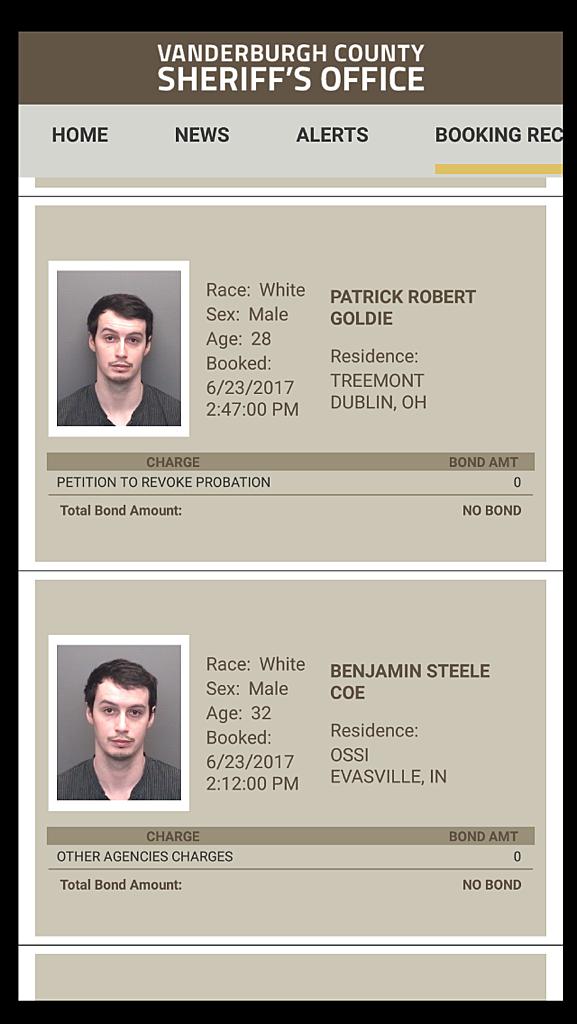
Shocking Truth Behind Vanderburgh County Jail's Recent Bookings: A Closer Look at Crime in Evansville, Indiana

Shocking Revelations: Vanderburgh County Jail Recent Booking Records Exposed


