Volusia Mugshots: The Unseen Impact of Public Arrest Records in the Digital Age
Volusia Mugshots: The Unseen Impact of Public Arrest Records in the Digital Age
In Volusia County, Florida, the digital mugshot has become a permanent public record, often accessible within hours of an arrest. These images, published on commercial websites, create a lasting digital footprint that can affect employment, housing, and social standing long before any court verdict. This article examines the legal, financial, and ethical implications of the online mugshot industry in a county known for its bustling coastline and retirement communities.
The arrest record industry operates as a complex ecosystem of data scraping, publication, and monetization. In Volusia County, as in many jurisdictions across the United States, the process begins the moment a person is taken into custody. Law enforcement agencies document the arrest, creating a public record under freedom of information laws. This data is then aggregated by private companies that run websites specifically designed to host and display these records.
**The Mechanics of a Digital Mugshot**
The journey from a police station booking photo to a searchable internet image involves several key steps. Understanding this process is crucial to grasping the scale and permanence of the issue.
1. **The Arrest and Booking:** An individual is arrested by a Volusia County Sheriff's Office deputy or a local police officer. During the booking process at a facility like the Volusia County Branch Jail, fingerprints are taken, and a mugshot photograph is captured.
2. **Data Entry:** The arrest information, including the individual's name, the alleged charges, and the booking number, is entered into a law enforcement database. This database is generally considered a public record.
3. **Data Scraping:** Private companies use automated software, known as web scrapers, to constantly search these public databases for new entries. When a new arrest appears, the scraper captures the data and the booking photograph.
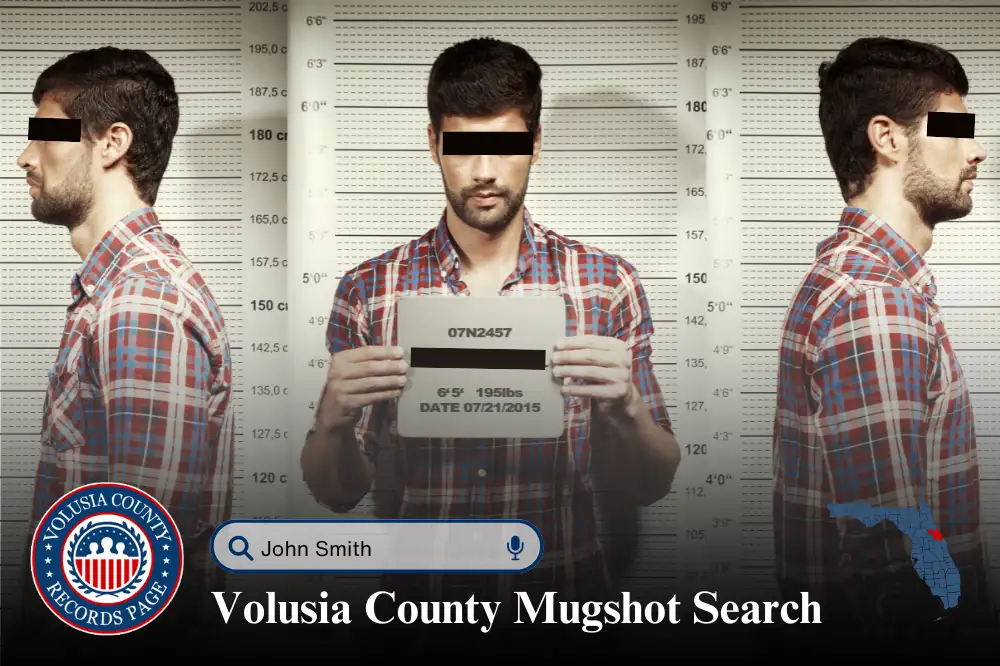
4. **Publication and Monetization:** The scraped data is uploaded to a website, often with a search bar prominently displayed. The individual's photo and details are then indexed by major search engines like Google. The website typically offers a "removal service," prompting the subject to pay a fee to have their record taken down.
This model has raised significant concerns about ethics and consent. The subject often has no knowledge that their image is being published until they or a potential employer sees it online.
**The Legal Landscape and Constitutional Questions**
The legality of these websites is a subject of intense debate. While the First Amendment protects the publication of public records, critics argue that the commercial exploitation of these records for profit crosses a line.
* **Public Record vs. Publicity:** "Just because something is a public record doesn't mean it should be used for profit in this predatory way," argued a digital privacy advocate in a recent interview. The core issue is whether charging fees for the removal of one's own image, which was taken in the context of a legal proceeding, constitutes extortion or a legitimate business practice.
* **The Right to Privacy:** Legal battles in Florida and other states have begun to address this question. Some courts have started to distinguish between the publication of a record by a government entity—which is protected—and the re-publication of that record by a for-profit company for commercial gain.
* **The "Free Speech" Defense:** Many mugshot websites defend their actions by citing free speech rights. They argue that they are simply aggregators of information that is already available in the public domain, such as court records.
In Volusia County, these legal nuances play out in real time. Individuals arrested for DUIs, drug possession, or other charges find their lives complicated by an online presence that may not accurately reflect the outcome of their case. A charge that is later dropped or results in an acquittal still carries the stigma of an arrest visible to the entire world.
**The Real-World Consequences**
The impact of a mugshot being publicly available extends far beyond embarrassment. The consequences can be severe and long-lasting, affecting nearly every aspect of a person's life.
* **Employment Barriers:** Many employers conduct online background checks. A mugshot appearing in search results can be an immediate red flag, leading to disqualification from job interviews before the candidate even has a chance to explain the context. A local business owner in Daytona Beach noted the difficulty of finding qualified staff, stating, "When a potential applicant's mugshot is the first thing I see on Google, it creates an immediate bias, regardless of their skills or the charges."
* **Housing Difficulties:** Landlords routinely screen applicants online. An arrest record, particularly one associated with a mugshot, can lead to an automatic denial of rental applications, contributing to housing instability for those trying to rebuild their lives.
* **Social Stigma and Harassment:** The public nature of these images can lead to shaming, harassment on social media, and damaged personal relationships. The photograph, taken during a moment of vulnerability, becomes a permanent label that can overshadow a person's entire identity.
* **Financial Burden:** The costs associated with these sites are significant. Fees for removal can range from hundreds to thousands of dollars. For individuals already facing legal fees and potential lost wages due to arrest, this financial burden is an additional layer of punishment.
**Reform and Resistance**
In response to the growing problem, a movement to regulate or ban these sites has gained momentum. Several states have passed laws that make it illegal to publish mugshots for commercial purposes or to charge fees for their removal.
* **State Legislation:** Some legislators in Florida have proposed bills aimed at curbing the worst abuses of the mugshot publishing industry. These proposals often focus on prohibiting websites from charging removal fees when the record has been expunged or sealed by a court.
* **Corporate Policies:** In reaction to public pressure and negative media coverage, some of the largest mugshot aggregation sites have adjusted their policies. They may no longer publish records for certain low-level offenses or have made the removal process slightly more accessible, though often still behind a paywall.
* **Individual Action:** Those affected by online mugshots are left navigating a difficult and often expensive process. This typically involves contacting the website's abuse department, sending removal requests, and, if necessary, consulting with an attorney to explore legal options.
The case of Volusia County serves as a microcosm of a much larger national issue. As technology continues to evolve, the balance between public accountability and personal privacy becomes increasingly difficult to strike. The mugshot, once a simple booking photograph confined to a police station file, has transformed into a powerful digital symbol with real-world consequences. For the thousands of individuals processed through the Volusia County criminal justice system each year, the question of whether they can ever truly put their arrest behind them remains a complex and unresolved challenge.
Related Post

Volusia Mugshots: The Face of Justice Captured in Striking Detail
Volusia Mugshots Florida: The Hidden Cost of Public Arrest Records in the Digital Age
Uncovering the True Cost of Freedom: A Deep Dive into Volusia County Mugshots in Florida

Volusia Mugshots Florida: Uncovering the Truth Behind Arrest Data


