What Is A Peninsula? Defining the Landform That Shapes History, Culture, and Geography
What Is A Peninsula? Defining the Landform That Shapes History, Culture, and Geography
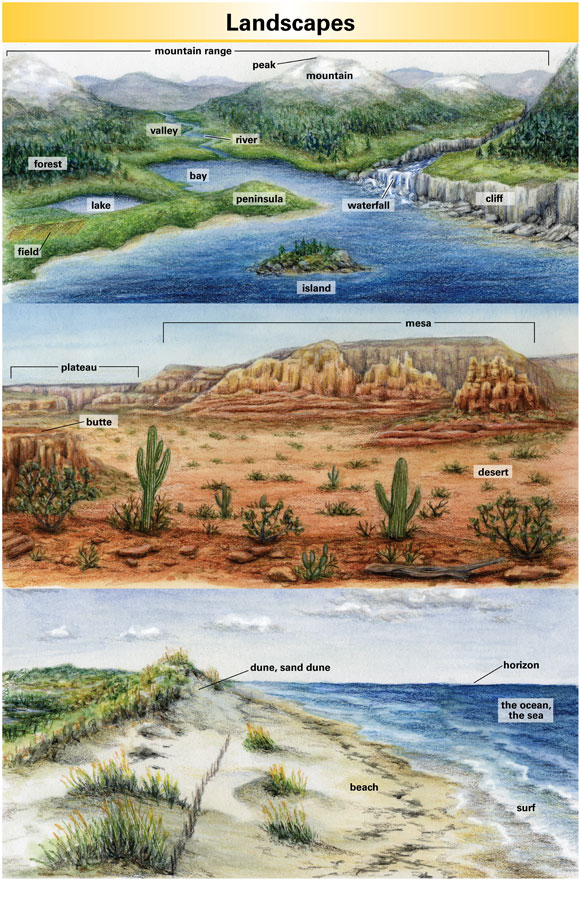
A peninsula is a distinctive landform characterized by a mass of land predominantly surrounded by water but connected to a larger mainland. This article explores the geological formation, geographic classification, and profound impact of peninsulas on human civilization, ecology, and strategic military positioning. From the sun-drenched Iberian Peninsula to the rugged Kamchatka, these land bridges between sea and soil have quietly dictated the flow of history.
The term "peninsula" originates from the Latin words *paene*, meaning "almost," and *insula*, meaning "island." Etymologically, it describes a landmass that is almost an island. Geographically, a peninsula is defined as a portion of land that is bordered by water on the majority of its perimeter yet remains attached to a larger continental landmass. This creates a unique interface where terrestrial ecosystems meet marine environments, often resulting in high biodiversity and climatic distinctiveness.
Unlike a full island, a peninsula maintains a terrestrial connection, which fundamentally alters its relationship with the surrounding world. This tenuous link—the neck of the land—serves as a conduit for trade, invasion, and cultural exchange. The geography dictates the politics; the shape of the land often determines the fate of the people who inhabit it.
Geological processes are the architects of these landforms. Peninsulas are not static; they are the result of dynamic tectonic activity, the erosive power of water, and the slow crawl of glaciers. The specific geology varies widely, ranging from the ancient, stable bedrock of Scandinavia to the volcanically active slopes of the Kamchatka Peninsula.
The formation of a peninsula generally falls into several geological categories:
* **Tectonic Uplift:** In regions where the Earth's crust is forced upward, former coastal plains or shallow seabeds can rise above sea level. The Iberian Peninsula, for instance, was shaped by the Alpine orogeny, the mountain-building forces that also created the Pyrenees. As the land rose, it extended into the Atlantic and Mediterranean.
* **Volcanic Activity:** Volcanic eruptions can build landmasses outward from a mainland coast. The Italian peninsula, particularly the region of Calabria, features volcanic origins. The slow accumulation of lava and ash extends the coastline, creating new land that juts into the sea.
* **Erosion and Deposition:** Often, a peninsula is carved out by the relentless work of water. Rivers transporting sediment may create a delta that protrudes into a lake or ocean. Conversely, the erosive action of waves and currents can carve into a mainland mass, isolating sections of land except for a narrow strip of sand or rock. The Dalmatian Coast of Croatia features numerous peninsulas formed by the differential erosion of limestone and sea-level changes over millennia.
The classification of peninsulas is not merely academic; it helps us understand their role in the world. Scientists and geographers often categorize them by origin and structure.
1. **Continental Peninsulas:** These are the most common type, formed by the simple extension of a continent into a body of water. They share the same geological base and history as the mainland they are attached to. Examples include the Arabian Peninsula and the Korean Peninsula.
2. **Fragmented Peninsulas:** These are peninsulas that are separated from the mainland by a narrow waterway, such as a strait or a canal. While they are technically connected, the water gap gives them a distinct geographic and often political identity. The Sinai Peninsula is a prime example, connected to Africa by the Isthmus of Suez but separated from Asia by the Suez Canal.
The impact of a peninsula on human history is immeasurable. Their geographic position creates natural harbors, facilitates trade routes, and offers strategic military advantages. They have served as launching pads for exploration and shields against invasion.
Consider the Iberian Peninsula. Its location between the Atlantic Ocean and the Mediterranean Sea made it a crossroads of culture. Phoenician traders, Roman conquerors, and Moorish dynasties all settled here, drawn by the fertile lands and accessible ports. As the historian John H. Elliott once noted, the peninsula was "a place of multiple histories, not a single history," a testament to how its geography fostered a confluence of peoples.
Similarly, the Scandinavian Peninsula, composed of Norway and Sweden, dictated the Viking Age. The long coastlines, deep fjords, and access to the North Sea and the Baltic Sea provided the Norsemen with the means to explore, trade, and raid from their northern homelands. The very shape of the land—stretching northward into the Arctic—defined a culture of seafaring and resilience.
Peninsulas also play a critical role in modern geopolitics. Control over a peninsula can mean control over an entire sea. The Crimean Peninsula, annexed by Russia in 2014, provides the Russian Black Sea Fleet with a crucial warm-water port at Sevastopol. This strategic value transcends economics; it is a matter of national security and regional dominance. The narrow land bridge connecting Crimea to mainland Ukraine has historically been a flashpoint, illustrating the "hearth theory" of conflict, where contested borderlands are perpetual sources of tension.
The environmental significance of peninsulas cannot be overstated. They often act as ecological corridors, allowing species to migrate between landmasses. They also serve as buffers against storms and tsunamis, absorbing the energy of ocean waves before they strike the mainland. The unique microclimates found on peninsulas—such as the fog-drenched coasts of California's Monterey Peninsula or the dry, windswept heights of the Cape of Good Hope—support endemic species found nowhere else on Earth.
In essence, a peninsula is more than a cartographic curiosity. It is a dynamic zone of interaction. It is where the mountains meet the sea, where the soil is enriched by millennia of sediment, and where the winds carry stories of migration and conflict. The study of peninsulas reveals a fundamental truth about our planet: that geography is not a cage, but a canvas upon which the drama of human and natural history is painted. Their "almost island" status makes them perpetual borders—places of connection and separation, isolation and integration, forever shaped by the water that surrounds them.
Related Post

Uncovering the Beauty of Peninsula Geography: A Detailed Exploration