What Is National Id Card Number: Definition, Purpose, And Security Explained
What Is National Id Card Number: Definition, Purpose, And Security Explained
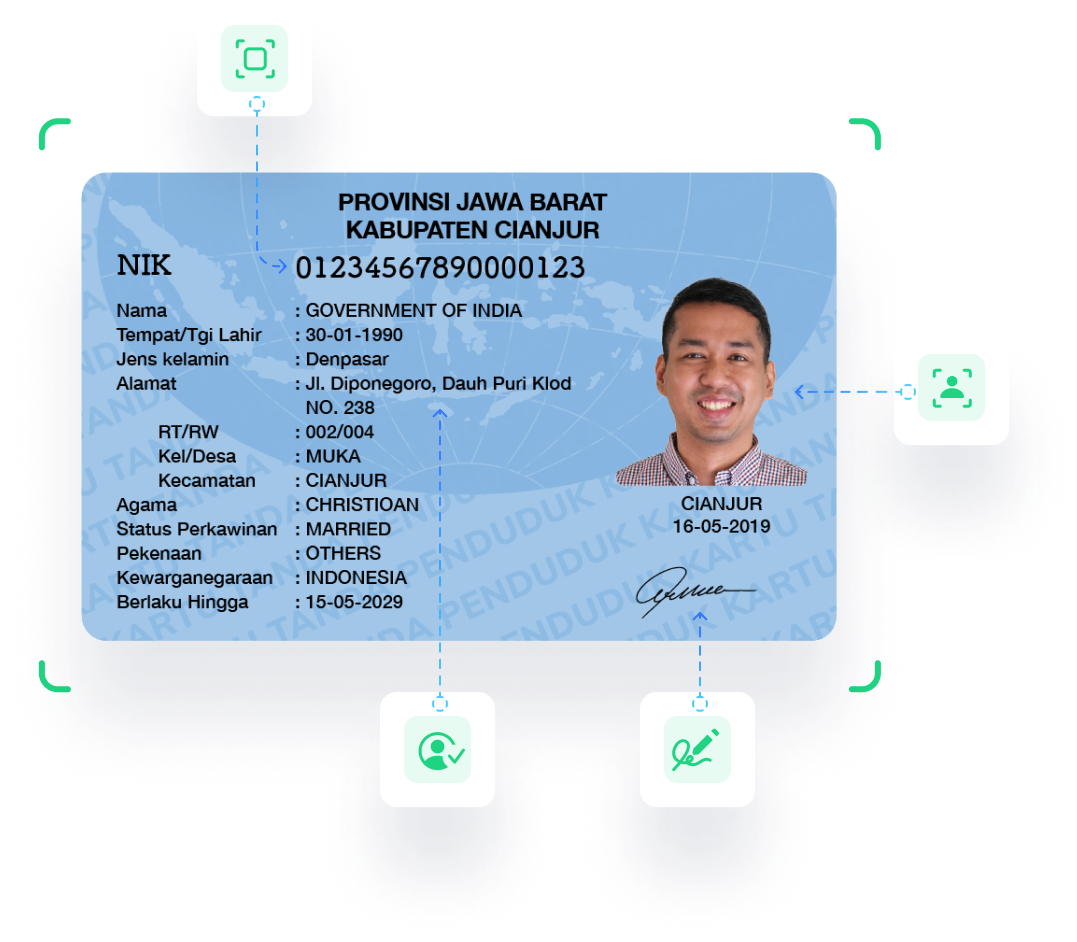
A national ID card number is a unique string of digits assigned to a citizen for identification and official verification. It functions as a primary reference key in government databases, linking personal data to a single, portable document. This article explains the structure, usage, and security considerations of these identifiers in modern administrative systems.
Governments issue national identification cards to establish identity, verify eligibility for services, and maintain statistical records. The number printed on this card is rarely random; it is usually a calculated code that contains embedded information or follows a strict algorithmic sequence. Understanding what this number represents reveals how states manage populations and how citizens interact with bureaucratic infrastructure.
Structure And Composition
The anatomy of a national ID card number varies significantly by country, reflecting historical, technological, and administrative priorities. Some systems prioritize simplicity, using a long sequential counter that offers no inherent information about the holder. Others embed layers of data directly into the code itself, allowing for instant interpretation of certain attributes without accessing a database.
In many jurisdictions, the number is divided into specific segments with distinct meanings. These segments might indicate the region of issuance, the year of birth, or the specific office that processed the application. The design is a balance between readability, security, and the capacity to scale for millions of citizens.
Encoding Geographic And Temporal Data
A common method involves allocating specific digits to geographic locations. For example, the first two digits might correspond to a state or province, while the next two indicate the department or city of registration. This allows for quick visual identification of origin, which can be useful for law enforcement or administrative sorting.
Similarly, temporal encoding is frequent, particularly in older systems or those derived from civil registration processes. A subset of digits often represents the year of birth, and in some cases, the exact date of birth. This design facilitates age verification and helps prevent certain types of fraud by making it difficult to use a card across different age demographics.
Check Digits And Algorithmic Validation
To combat simple errors and intentional forgery, most modern national ID numbers incorporate a checksum or check digit. This is a digit calculated using a mathematical formula applied to the other digits in the string. When the number is entered into a system, the computer recalculates the check digit and compares it to the one provided. If they do not match, the number is immediately flagged as invalid.
"The national identifier is not merely a label; it is a cryptographic promise of integrity," explains Dr. Aris Thorne, a digital identity consultant for the Global Policy Institute. "The algorithm used to generate it is the first line of defense against mass forgery. It ensures that every valid number adheres to a mathematical rule that is hard to replicate without access to the specific formula."
Function And Application
The primary function of the national ID card number is to serve as a persistent key in a vast database of records. It is the link that ties a physical person to their legal name, address, date of birth, and often their photograph and biometric data. This number is the pivot upon which administrative systems turn.
Governments rely on this number to manage taxation, voting, and social security. It allows agencies to pull up a citizen's entire record instantly, ensuring that services are delivered accurately and efficiently. Without this unique identifier, the task of managing millions of individuals would be chaotic and prone to massive duplication or error.
Public Sector Usage
In the public sector, the number is the linchpin of interaction with the state.
- Taxation: Tax authorities use the ID number to track income, issue refunds, and ensure compliance.
- Healthcare: National health systems use it to manage patient records, verify eligibility, and process claims.
- Voting: Electoral commissions use the number to maintain voter rolls and prevent duplicate voting.
Private Sector Integration
The utility of the national ID number has expanded into the private sector, often facilitated by legal frameworks that permit its use for authentication.
- Banking: Financial institutions use the number to open accounts, verify identity during transactions, and comply with anti-money laundering (AML) regulations.
- Telecommunications: Mobile network providers require the number to issue SIM cards, linking the service to a verified identity for regulatory purposes.
- Employment: Employers cross-reference the number with government databases to confirm work eligibility and manage payroll taxes.
Security And Privacy Concerns
The centralized nature of the national ID card number makes it a high-value target for data breaches and misuse. Because the number grants access to such a wide range of services, losing a card or having its number exposed carries significant risk. Consequently, the management of this data is subject to intense scrutiny and regulation.
Privacy advocates warn against the dangers of a "single number state," where one identifier governs so much of an individual's life. If a database containing these numbers is hacked, the fallout can be catastrophic, leading to identity theft, financial fraud, and state surveillance that extends beyond original intentions.
Data Protection Measures
To mitigate these risks, governments and issuing authorities employ several security measures. Physical cards often feature holograms, microprinting, and tamper-proof laminates to deter visual counterfeiting. Digitally, the number is transmitted through encrypted channels, and access to the central database is strictly controlled with multi-factor authentication.
"Security by obscurity is a myth," states Lena Petrova, a cybersecurity fellow at the Digital Rights Observatory. "The number itself will likely appear on the card and in numerous documents. The focus must be on ensuring that possessing the number alone is not sufficient to impersonate someone. Robust authentication layers and strict data governance are essential."
Legal And Ethical Frameworks
Many countries have enacted specific data protection laws that govern how the national ID number can be collected, stored, and shared. These laws often limit the purposes for which the number can be requested, aiming to prevent function creep—where the use of the number expands beyond its original intent without public consent.
Ethically, the debate centers on the trade-off between convenience and liberty. While a standardized number streamlines bureaucracy and reduces fraud, it also consolidates power in the hands of the state. The question remains whether the efficiency gained justifies the potential for surveillance and the erosion of anonymity in everyday transactions.
Related Post
Unveiling the Mystery of National ID Card Numbers: Everything You Need to Know

Get Ready to Fuel Your Caffeine Fix with the Hottest Mug Shot Trends of 2023

Memphis Listcrawler: Uncovering the World of Adult Advertising

Forced Feminization Pic