What is the Lifespan of an Australian Shepherd? Facts, Stages, and Longevity Secrets Revealed
What is the Lifespan of an Australian Shepherd? Facts, Stages, and Longevity Secrets Revealed
The Australian Shepherd typically lives between 12 and 15 years, with many factors influencing individual longevity. This comprehensive guide explores the breed’s lifespan, key health considerations, and proactive care strategies that can help extend their years. By understanding genetics, environment, and veterinary needs, owners can support their Aussie companion through a long, vibrant life.
Average Lifespan and Key Influencing Factors
When considering the Australian Shepherd lifespan, the baseline expectation falls within the 12-to-15-year range. This estimate is not a fixed number but rather a statistical average derived from breed club data, veterinary studies, and owner surveys. Individual outcomes, however, can vary significantly based on a constellation of factors including inherited conditions, lifestyle, and the quality of preventative care.
Responsible breeders prioritize genetic screening to eliminate hereditary disorders, which directly impacts the upper limit of a dog’s life. Beyond the pedigree, the dog’s daily environment—activity level, mental stimulation, and diet—plays a critical role in determining whether they thrive or merely survive.
- Genetics: The foundation of health and longevity, inherited from parent dogs.
- Healthcare: Regular vaccinations, parasite control, and early disease detection.
- Nutrition: A balanced, age-appropriate diet supporting optimal body condition.
- Environment: Physical exercise and mental engagement to prevent obesity and stress.
Life Stage Breakdown: From Puppy to Senior
Understanding the distinct phases of an Australian Shepherd’s life helps owners adjust care routines appropriately. Each stage presents unique needs that, when met, contribute to a cumulative positive effect on total lifespan.
The Puppy Phase (0–12 Months)
This initial year is foundational for physical development and socialization. Australian Shepherd puppies grow rapidly, requiring diets rich in protein and carefully monitored exercise to protect developing joints. Socialization during this window—exposure to various people, animals, and environments—is crucial for preventing behavioral issues later in life.
Adult Prime (1–7 Years)
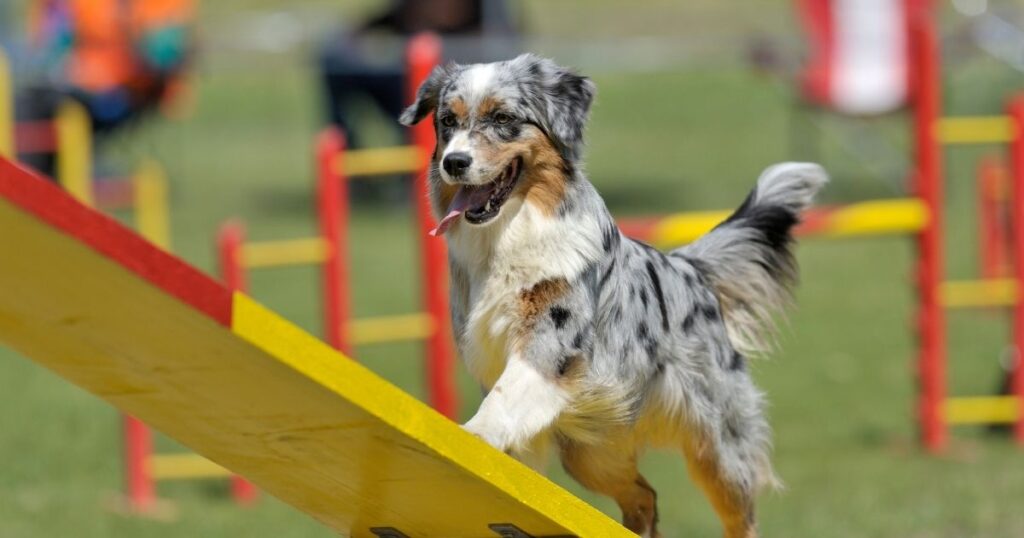
An Aussie reaches full physical maturity around 12 to 15 months. During these prime years, they typically exhibit high energy, intelligence, and a strong work drive. Maintaining this stage involves consistent mental challenges, such as advanced obedience or agility training, alongside regular physical activity to prevent boredom and weight gain.
Golden Senior (8+ Years)
Around the age of 7 to 8, the Australian Shepherd begins to transition into seniority. Metabolism slows, and the risk of age-related conditions increases. Veterinary visits become more frequent, often shifting to bi-annual checkups to monitor organ function, mobility, and cognitive health. Adjustments in diet to support joint and heart health become necessary.
Common Health Issues Impacting Lifespan
The Australian Shepherd is generally a robust breed, but like all dogs, they are susceptible to specific hereditary and acquired conditions. Proactive screening and awareness are essential tools in managing these risks effectively.
Responsible breeders conduct health testing on parent dogs to minimize the chance of passing on known genetic disorders. Potential owners should inquire about these tests when selecting a breeder.
Primary Health Concerns
- Eye Disorders: Collie Eye Anomaly (CEA) and cataracts are prevalent. Regular ophthalmic exams by a veterinary specialist can detect these issues early.
- Epilepsy: Idiopathic epilepsy, a genetic condition causing seizures, requires lifelong management with medication and lifestyle adjustments.
- Hip Dysplasia: A malformation of the hip joint that can lead to arthritis. Maintaining a healthy weight and engaging in low-impact exercise can mitigate symptoms.
- Drug Sensitivity: A mutation in the MDR1 gene affects how the breed metabolizes certain medications. Awareness of this sensitivity is critical for safe veterinary treatment.
The Role of Diet and Exercise in Longevity
Nutrition and physical activity are the two most adjustable variables in a dog’s life. A well-managed diet prevents obesity—a known accelerator of arthritis and heart disease—while exercise maintains cardiovascular fitness and mental acuity.
Australian Shepherds are active dogs bred for herding; they require significantly more exercise than a typical lap dog. An under-exercised Aussie is often a destructive or anxious one. Mental stimulation is equally vital to this breed’s well-being.
- Exercise Requirements: A minimum of 60 to 90 minutes of vigorous activity daily, broken into walks, runs, or play sessions.
- Mental Enrichment: Puzzle feeders, scent work, and training games to engage their intelligent minds.
- Dietary Needs: High-quality commercial food or a vet-approved raw/home-cooked diet tailored to their life stage.
Maximizing Lifespan: Expert Insights
To translate average numbers into a long, healthy life for your dog, focusing on preventative measures is key. Modern veterinary medicine allows for early detection of diseases that were once fatal.
We spoke with Dr. Emily Carter, a veterinarian specializing in canine geriatrics, regarding owner priorities.
"Owners often ask about supplements or miracle diets, but the single most impactful thing they can do is adhere to a strict schedule of preventative care,"
Dr. Carter explains.
"Regular blood work starting at middle age—around 7 for an Australian Shepherd—can catch kidney or liver issues years before symptoms appear. Early intervention is the true secret to extending lifespan."
Conclusion: Investing in Years
The question of the Australian Shepherd lifespan is answered not by a simple number, but by the quality of care provided. By respecting their genetic predispositions, fulfilling their physical and mental exercise needs, and partnering closely with a veterinarian, owners can ensure their Australian Shepherd companion enjoys a full life span of 12 to 15 years or more. The goal is not merely to add years to the dog’s life, but life to the dog’s years.
Related Post
Australian Shepherd Lifespan: How Long Do These Intelligent Canines Live?
:max_bytes(150000):strip_icc():focal(826x384:828x386)/Michael-Jordan-tout-072224-41347d927dfe4a1582ac563217a40937.jpg)
Inside the Private Lives of Michael Jordan and Yvette Prieto: A Closer Look at Their Two Beautiful Daughters

The Incredible Earnings Of Adam Silver: Uncovering His Annual Salary

India's Airstrike: A Brutal Response to Terror, or an Emboldened Aggressor?