What Time Zone Is Ohio In: Understanding The Buckeye State’s Time And DST Rules
What Time Zone Is Ohio In: Understanding The Buckeye State’s Time And DST Rules
Ohio operates on Eastern Time, aligning with major East Coast cities, but its position near central boundaries introduces nuanced local timing. Residents and visitors must account for Daylight Saving Time shifts, which move clocks forward in spring and back in fall, affecting scheduling and coordination. This article clarifies the exact time zone, historical context, and practical implications for Ohio’s clocks.
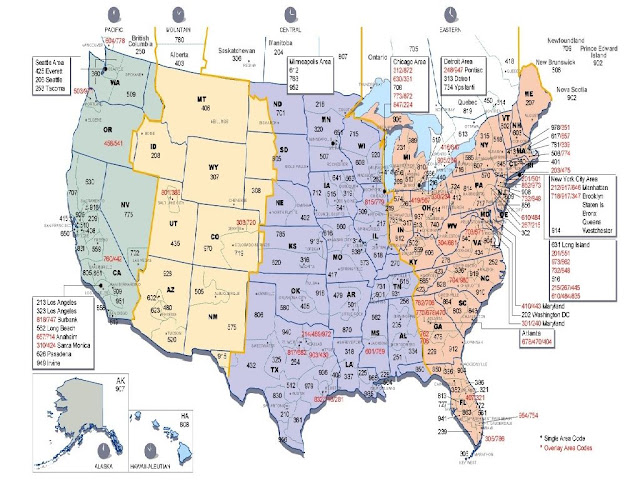
Ohio sits entirely within the Eastern Time Zone, designated as Eastern Standard Time (EST) in winter and Eastern Daylight Time (EDT) in summer. The state observes Daylight Saving Time, advancing clocks by one hour from the second Sunday in March to the first Sunday in November, a practice rooted in energy conservation efforts dating to the 20th century. Unlike some states with split time zones, Ohio maintains a uniform time across its borders, though its western proximity to Central Time creates some practical ambiguity in certain regions.
The Eastern Time Zone spans from the Atlantic coast westward to the Mississippi River, placing Ohio in the eastern half of the continental United States. During Standard Time, Ohio observes UTC-5, but when Daylight Saving Time is active, the offset becomes UTC-4. This positioning situates Ohio one hour ahead of Central Time and two hours ahead of Pacific Time, influencing everything with business operations to television broadcast schedules. For example, a 3 p.m. meeting in Ohio corresponds to 2 p.m. in Chicago and 12 p.m. in Los Angeles during DST.
Ohio’s time zone alignment has historical roots in railroad and telegraph standardization, when communities sought consistent scheduling to avoid confusion. In the 1880s, railroads imposed standard time zones to coordinate train schedules, overriding local solar time. By the early 20th century, this system gained federal support, leading to the Uniform Time Act of 1966, which codified time zones and DST observance. Ohio, already in the Eastern zone, formally adhered to these national structures, cementing its time identity.
The implementation of Daylight Saving Time in Ohio has evolved alongside national debates about its utility and impact. Initially adopted to conserve fuel during wartime, DST became a year-round experiment in the 1970s before settling into its current schedule. Modern discussions often weigh energy savings against health and economic effects, with studies showing mixed results on benefits. As one energy policy analyst notes, “The impact of daylight saving time on overall energy consumption is smaller than many assume, but its effect on public safety and commerce is more tangible.”
Geographically, most of Ohio lies squarely in the Eastern Time Zone, but the western region along the Indiana border historically created confusion. Prior to 2006, parts of Indiana did not observe DST, leading to a patchwork of time practices in the Buckeye State’s northwest corner. After Indiana standardized on year-round DST alignment, Ohio’s time consistency improved, though some residents in counties like Ohio County near the border still reference Central Time colloquially. This historical quirk occasionally surfaces in discussions about regional identity and scheduling with neighboring states.
For residents and businesses, understanding Ohio’s time zone is crucial for coordination with other regions. The state’s Eastern Time placement affects stock market hours, television programming, and digital services synchronization. Companies with statewide operations must ensure systems account for DST changes to avoid errors in timestamps and automated processes. A logistics manager in Cleveland explains, “Our delivery windows and partner communications hinge on accurate timekeeping, especially during the switch weeks when the clock changes.”
Technological devices typically handle Ohio’s time zone and DST shifts automatically, reducing user burden. Smartphones, computers, and networked systems rely on internet-based time servers to adjust clocks, ensuring accuracy. However, older devices or isolated systems may require manual updates, particularly during the transition periods in March and November. Users are advised to verify their settings around these dates to prevent scheduling conflicts.
Ohio’s time zone also influences cultural and social rhythms, shaping when events are held and how people structure their days. School schedules, sports events, and broadcast times often reflect Eastern Time considerations, with prime-time television beginning at 8 p.m. local time. The biannual clock shifts can disrupt sleep patterns and productivity, prompting debates about whether permanent standard or daylight time would be preferable. Some communities advocate for legislative changes to alter DST observance, though federal approval remains required for such shifts.
Looking ahead, Ohio’s time zone framework is likely to remain stable, continuing with Eastern Time and seasonal DST adjustments. Any changes would require congressional action, given federal oversight of time zones in the United States. For now, residents and visitors can rely on a consistent system that synchronizes the state with the broader Eastern region. As infrastructure and global coordination evolve, Ohio’s timekeeping practices will adapt, but its core identity as an Eastern Time state persists, underpinning daily life and regional connectivity.
Related Post
What Time Zone Is Ohio In USA: Precisely UTC−5—And What It Means for Thousands
What Time Zone Is Ohio In Usa: Understanding The Buckeye State’s Time And Its Impact

Beyonce's Royal Height: Unveiling the Queen Bey's Stature in Feet

Anonib Md: The Rise of the Anonymous wumao Who Went From Obscurity to Internet Fame