What's California Time Zone: Understanding Pacific Standard Time and Daylight Saving Shifts
What's California Time Zone: Understanding Pacific Standard Time and Daylight Saving Shifts
California operates on Pacific Time, shifting between Pacific Standard Time (PST) in winter and Pacific Daylight Time (PDT) in summer. This time zone aligns the state with the broader North American system used by the West Coast and parts of Canada. Knowing the current offset helps coordinate communication, travel, and digital services across regions.
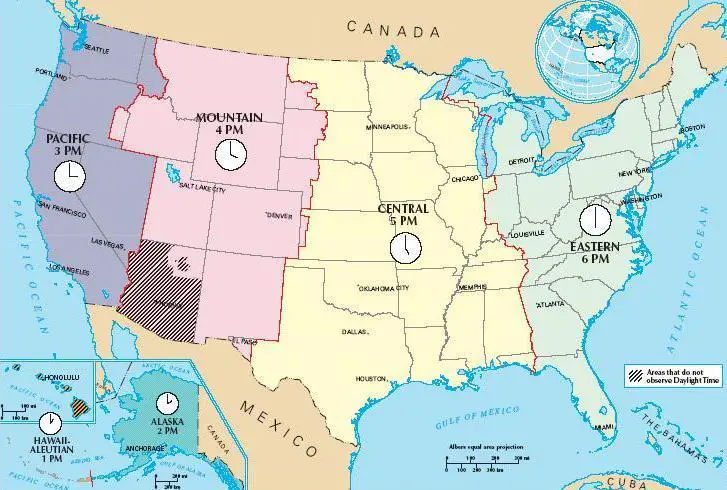
The Pacific Time Zone covers the westernmost portion of the contiguous United States, and California represents its largest population center. With major industries such as entertainment, technology, and agriculture concentrated here, precise timekeeping is essential for business, media, and infrastructure. This article explains the mechanics, history, and practical effects of California time for residents and observers.
Pacific Time is defined as eight hours behind Coordinated Universal Time (UTC−8) during standard time and seven hours behind (UTC−7) during daylight time. The boundaries of the zone follow state lines in most areas, though exceptions exist near Idaho and Nevada due to regional preferences. Within California, nearly all residents and institutions adhere to this schedule, with only small unincorporated areas differing in rare cases.
Under the Uniform Time Act of 1966, time zone rules in the United States are set federally but implemented locally. States choose whether to remain on standard time permanently, as Arizona and Hawaii do, or to observe daylight saving time. California voters have periodically considered measures to change this pattern, yet the current system of switching between PST and PDT remains in force.
When daylight saving time is active, usually from the second Sunday in March to the first Sunday in November, California moves one hour forward. During this period, the state observes Pacific Daylight Time, which can affect scheduling for television broadcasts, stock market hours, and international conference calls. Brief overlaps or gaps occur during the transition weekends, requiring adjustments for automated systems.
The origins of Pacific Time date to the standardization of railroad schedules in the nineteenth century. Before clocks were coordinated across regions, towns used local solar time, which varied slightly from place to place. Railway companies introduced uniform time zones to prevent confusion, and federal law later formalized the structure seen today.
Arguments for and against changing California’s time practices often focus on health, energy use, and economic factors. Some studies suggest that permanent standard time could improve sleep patterns and road safety, while others highlight benefits of permanent daylight time for evening commerce and recreation. So far, the state has maintained the twice-yearly switch, though legislative proposals continue to emerge.
For residents, the practical impact of California time is felt in everyday routines. Sunrise and sunset shift with the seasons, affecting morning commutes and evening activities. Digital devices update automatically in most cases, but manual checks remain useful around the change dates.
- Residents moving between Pacific Time and other zones may experience jet lag-like effects.
- Businesses with partners in different regions must account for the time difference in contracts and meetings.
- Travelers should verify local time upon arrival, as nearby states may share the same zone or differ.
- Online services and broadcast schedules often assume automatic adjustment for daylight saving time.
- Confusion can arise when comparing historical dates, as earlier periods used slightly different local times.
Technology has reduced many past inconveniences, but awareness still matters. Operating systems and smartphones typically handle changes in California time automatically, syncing with network time servers. Nevertheless, knowing when shifts occur can prevent missed appointments or errors in timestamped records.
In international contexts, California time is referenced as Pacific Standard Time or Pacific Daylight Time depending on the season. Global markets, shipping logs, and news broadcasts rely on this clarity to avoid miscommunication. For example, a live event scheduled for 8:00 p.m. PDT requires different planning for audiences in New York, London, or Tokyo.
Because California hosts major entertainment centers, time zones influence production and distribution schedules. Film and television releases are timed with consideration of both domestic and international viewing windows. Streaming platforms must coordinate launch times across regions, factoring in local offsets and daylight saving rules.
Future changes to California’s time policy remain possible as public opinion and legislation evolve. Any shift would require coordination with federal authorities and neighboring states to maintain consistency along borders. For now, understanding what California time zone means in practice helps people navigate both daily life and broader professional systems.
Related Post
Whats California Time Zone The Heartbeat Of Pacific Standard Time
Whats California Time Zone: The Chronological Heartbeat of America’s Most Iconic Region


