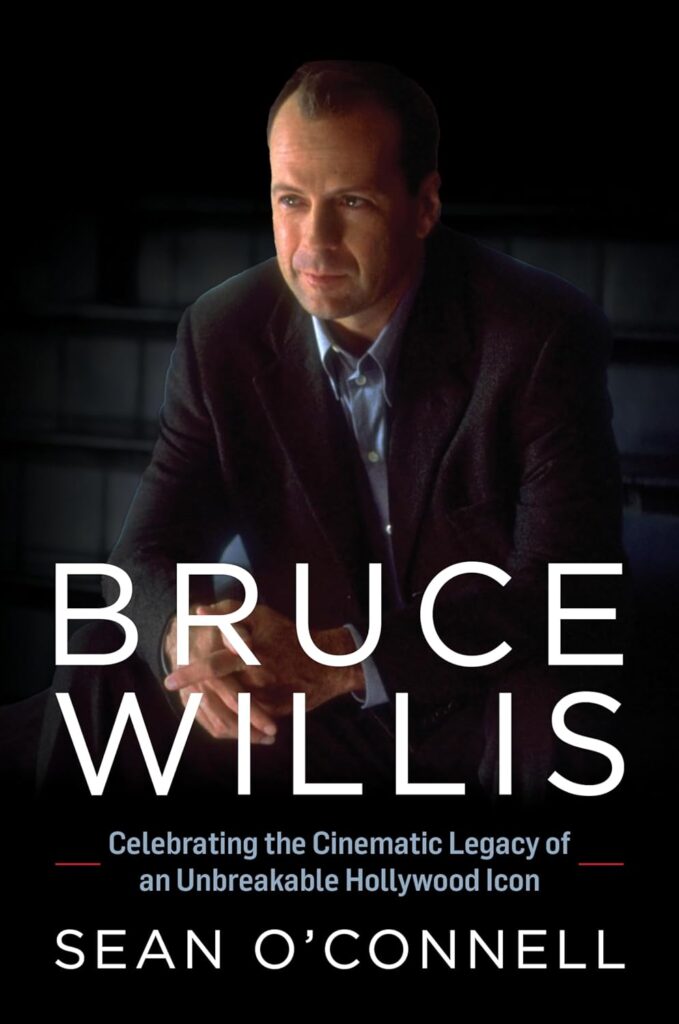
When Did Bruce Willis Die? Separating Fact From Fiction
When Did Bruce Willis Die? Separating Fact From Fiction
Reports of the actor's death circulated widely online in early 2024, sparking confusion and concern. Bruce Willis, the star of *Die Hard* and *The Sixth Sense*, is not dead; he was diagnosed with aphasia in 2022 and subsequently retired from acting due to challenges with cognitive communication. This article details the origins of the death hoaxes, explains the reality of his current health situation, and provides context on the progression of aphasia.
The digital landscape has become a fertile ground for misinformation, and the case of Bruce Willis is a prime example. False announcements of his demise have surfaced repeatedly, causing unnecessary alarm among fans and requiring clarification from reliable sources. Understanding the timeline of these rumors and the actor's actual medical condition is essential for separating fact from fiction in the age of viral news.
### The Origin of the Death Hoaxes
The most significant wave of rumors regarding Willis's death emerged in January 2024. Social media platforms and unverified websites were flooded with claims that the actor had passed away, often citing unverified sources or fabricated reports. These hoaxes gained traction due to Willis's iconic status and the public's familiarity with his former robust health.
* **January 2024:** A wave of fabricated news articles and social media posts declared Willis dead. These often mimicked the style of legitimate news outlets, attempting to lend credibility to the false claims.
* **Source Analysis:** Investigations by fact-checking organizations revealed these reports originated from dubious websites with no credible sourcing. Many were identified as clickbait designed to generate advertising revenue.
* **Previous Incidents:** This was not the first time such rumors surfaced. Similar unfounded death hoaxes had circulated as early as 2022, demonstrating the persistent nature of this misinformation.
The rapid spread of these claims underscores the challenge of controlling narrative in the 24-hour news cycle. Once a sensational story is released, it often takes longer to correct than it did to disseminate. The motivation is typically financial, as outrage and curiosity drive page views.
### The Reality of Bruce Willis's Health
In 2022, Bruce Willis and his family made the difficult decision to step away from his acting career. The reason was not death, but a diagnosis of aphasia. This condition affects the brain's ability to process and produce language, impacting communication abilities.
Aphasia is often caused by damage to the areas of the brain responsible for language. This damage is most commonly the result of a stroke, but it can also be caused by head trauma or brain tumors. In Willis's case, the aphasia was attributed to the progression of a previously diagnosed condition, later revealed to be frontotemporal dementia (FTD). FTD is a form of dementia that affects the frontal and temporal lobes of the brain, leading to changes in personality, behavior, and language.
The retirement announcement stated that Willis was experiencing challenges with his cognitive health, which were making it increasingly difficult for him to perform his job effectively. His family prioritized his well-being and requested privacy as he navigates this new chapter.
### Understanding Aphasia and Its Impact
Aphasia is a communication disorder that does not affect intelligence. Individuals with aphasia are aware of their surroundings and understand what is being said to them, but they struggle to find the words to express their thoughts or comprehend spoken or written language.
There are several types of aphasia, categorized by the specific language functions that are impaired:
1. **Expressive Aphasia:** Difficulty speaking or writing, though comprehension may remain relatively intact.
2. **Receptive Aphasia:** Difficulty understanding spoken or written language, while the ability to speak may be fluent but nonsensical.
3. **Global Aphasia:** Severe impairment in both understanding and producing language, representing the most extreme form of the disorder.
For someone in the public eye like Bruce Willis, the impact of aphasia is profound. Acting requires the rapid recall of dialogue, emotional expression, and precise communication. The cognitive demands of the profession become insurmountable as the disorder progresses. His family's decision to retire him was a necessary step to protect his dignity and reduce the stress associated with trying to perform despite his condition.
### The Progression of Frontotemporal Dementia
While aphasia is the most visible symptom, Bruce Willis's diagnosis involves a broader neurodegenerative condition. Reports from his family indicate that he is living with frontotemporal dementia (FTD). This specific type of dementia is less common than Alzheimer's disease but is a significant cause of early-onset dementia, often affecting individuals under the age of 60.
FTD is characterized by the progressive loss of nerve cells in the frontal and temporal lobes of the brain. This leads to:
- **Personality Changes:** A loss of inhibition, apathy, or uncharacteristic behaviors.
- **Behavioral Shifts:** Poor judgment, compulsive behaviors, and a lack of empathy.
- **Language Difficulties:** The aphasia that initially prompted his retirement, which worsens over time.
- **Motor Symptoms:** In some cases, physical impairments similar to those seen in Parkinson's disease can develop.
Unlike some other forms of dementia, FTD often strikes individuals in the prime of their life. The progression is gradual but relentless, leading to a complete dependence on caregivers for daily needs. Research into FTD is ongoing, but there is currently no cure. Treatments focus on managing symptoms and improving quality of life.
### The Spread of Misinformation: A Modern Phenomenon
The repeated circulation of Bruce Willis's death highlights a broader issue in the digital age: the ease with which false information can spread. Social media algorithms often prioritize engagement over accuracy, meaning sensational falsehoods can reach millions before fact-checkers can intervene.
Several factors contribute to the virality of these hoaxes:
- **Confirmation Bias:** People are more likely to share news that confirms their existing beliefs or emotions, such as grief.
- **Lack of Media Literacy:** Many users do not critically evaluate the sources of the information they consume.
- **Sensationalism:** Outrage and shock are powerful drivers of online engagement, making fabricated stories attractive to bad-faith actors.
Public figures like Willis are particularly vulnerable to these rumors. Their fame ensures a large audience, and their personal lives generate significant interest. Combating this misinformation requires a concerted effort from platforms, journalists, and the public to seek out reliable sources before sharing information.
### The Reliable Sources on Willis's Condition
Throughout the misinformation storm, consistent information has come from trusted sources close to the actor. His daughter, Scout Willis, has been a key voice in providing updates. In interviews and public statements, she has clarified her father's diagnosis and advocated for awareness of aphasia and dementia.
Official statements from his representatives and production companies have also served to correct the record. When a death hoax surfaces, these entities typically issue a denial or correction. However, the cycle often repeats itself as new outlets pick up the false story without verifying its origin.
The ongoing dialogue about Willis's health has had a positive side effect: it has educated the public about aphasia and dementia. By sharing his journey, his family has helped to reduce the stigma associated with these conditions and foster empathy for those affected. While the hoaxes are harmful, the resulting conversation about cognitive health is a valuable outcome.
Related Post
When Did Bruce Willis Die? When a Hollywood Legend Faded—Fact Over Fiction
When Did Bruce Willis Die? The Shocking Truth Behind the Funeral That Never Was