When Facebook Was Invented: The Birth of a Digital Social Revolution
When Facebook Was Invented: The Birth of a Digital Social Revolution
In the winter of 2004, a then-19-year-old Harvard sophomore coded a website in his dorm room that would redefine human connection. What began as "TheFacebook" as a tool for campus socializing has evolved into a global digital infrastructure touching nearly every aspect of modern life. This is the story of how a simple idea to connect university students sparked a revolution in social communication, privacy debates, and online culture.
The genesis of Facebook is inextricably linked to Mark Zuckerberg and his immediate environment at Harvard University during the 2003-2004 academic year. The platform was not born from a grand corporate strategy but from a specific, immediate need within a university setting. It emerged from a landscape of existing social networking services, yet introduced novel features that would eventually define the social media era. Understanding this origin requires examining the technological context, Zuckerberg's role, and the rapid proliferation that followed.
Harvard's social environment in early 2004 provided the fertile ground for Facebook's creation. Student directories and face books were common, but digital tools for broader campus interaction were fragmented. The university had implemented a system called HarvardConnection, designed to allow students to view and navigate each other's social networks online. However, the project stalled, leaving a gap that Zuckerberg perceived and sought to fill. He later explained his initial motivation not as a desire to build a global empire, but as a response to a local opportunity.
> "I had this idea that Harvard students ought to have an online presence," Zuckerberg reportedly stated in early company history discussions, framing the project as a utility for his peers rather than a commercial venture.
The initial iteration, launched on February 4, 2004, was called "TheFacebook." It was hosted on a server in Zuckerberg's dorm room and was coded primarily in PHP. Its core function was simple: registered Harvard students could create a profile with a photo, basic personal information, and a list of friends. The "social graph" – the network of connections between users – was the defining innovation, making profiles discoverable within the Harvard community based on mutual acquaintances.
The platform's expansion beyond Harvard was rapid and largely informal. Within weeks of its Harvard launch, Zuckerberg opened registration to students at other Ivy League schools like Columbia and Yale. This expansion was driven by word-of-mouth and the inherent appeal of a platform that felt exclusive yet accessible to elite university populations. As interest grew, Zuckerberg moved to incorporate the company formally and secure his position as founder, a move that would later lead to significant legal disputes with co-founders.
This period of rapid growth was characterized by a "move fast and break things" ethos that prioritized user adoption and feature iteration over stability or formal governance. Key developments during this phase included:
* **The Introduction of the News Feed (2006):** Initially called "The Stream," this feature aggregated friends' activities on the site, creating a constant scroll of updates. It was met with immediate user backlash over privacy concerns, leading Zuckerberg to issue a famously apologetic blog post and make concessions.
* **The Opening to Non-Students (2006):** Facebook lifted the restriction requiring users to have an email address ending in ".edu" or ".ac.uk," opening the platform to the general public aged 13 and up with a valid email. This decision exponentially increased its user base and transformed it into a mainstream platform.
* **The Introduction of the Like Button (2009):** This seemingly simple feature became a cornerstone of the platform, providing quantifiable engagement metrics and fundamentally changing how users interacted with and consumed content.
The technical evolution of Facebook during its formative years was as significant as its social adoption. The infrastructure had to scale at an unprecedented rate to handle millions of new users generating vast amounts of data daily. Early technical challenges included optimizing database queries, managing server loads, and ensuring the site remained responsive as features grew more complex. The shift from a dorm room project to a company requiring professional data centers and engineering practices was a central part of its adolescence.
This technical growth was paralleled by a complex and often controversial legal and ethical journey. The initial concept of harvesting student email addresses from university directories raised immediate privacy questions. As the platform expanded and began monetizing user data through advertising, these concerns intensified. Relationships with competitors like Friendster and MySpace were fraught, involving allegations of idea appropriation and poaching. The early company's trajectory was defined not only by innovation but by litigation and the struggle to govern a rapidly evolving digital public square.
The legacy of Facebook's invention is a duality of connection and complication. It created unprecedented avenues for global communication, enabling movements, businesses, and friendships to跨越 geographical boundaries. However, it also introduced persistent challenges regarding misinformation, mental health, data security, and the very nature of public discourse. The platform designed to connect college friends now shapes political discourse, economic activity, and personal identity for billions. The story of when Facebook was invented is thus not merely the origin tale of a successful company, but the foundational narrative of the modern social internet and its inherent contradictions.
Related Post
Uncovering the Origins of a Social Media Giant: When Facebook Was Invented

UNCOVERED: The Heart-Wrenching Sibling Connection Between Kali and Blueface Revealed
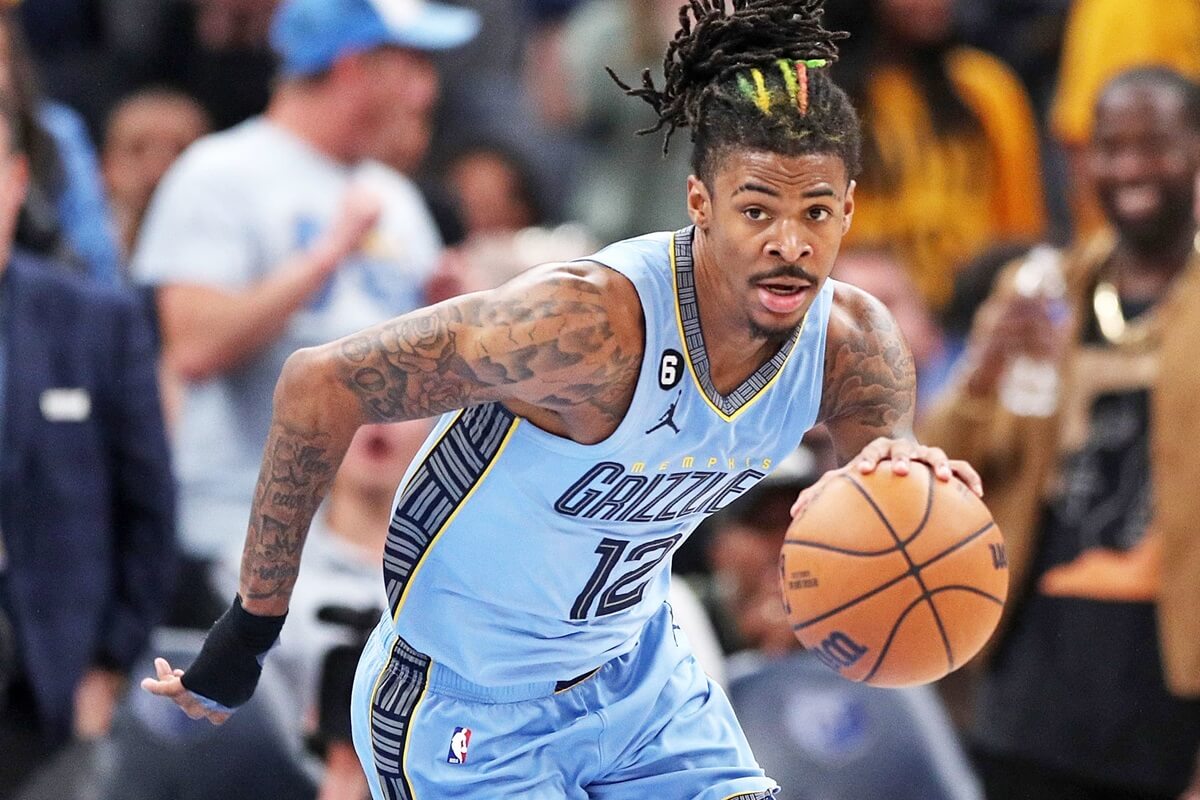
Uncovering the Lucrative World of Tee Morant Net Worth: A Rising NBA Star's Financial Fortunes

How to Pronounce Raclette Cheese Like a Pro: The Ultimate Guide