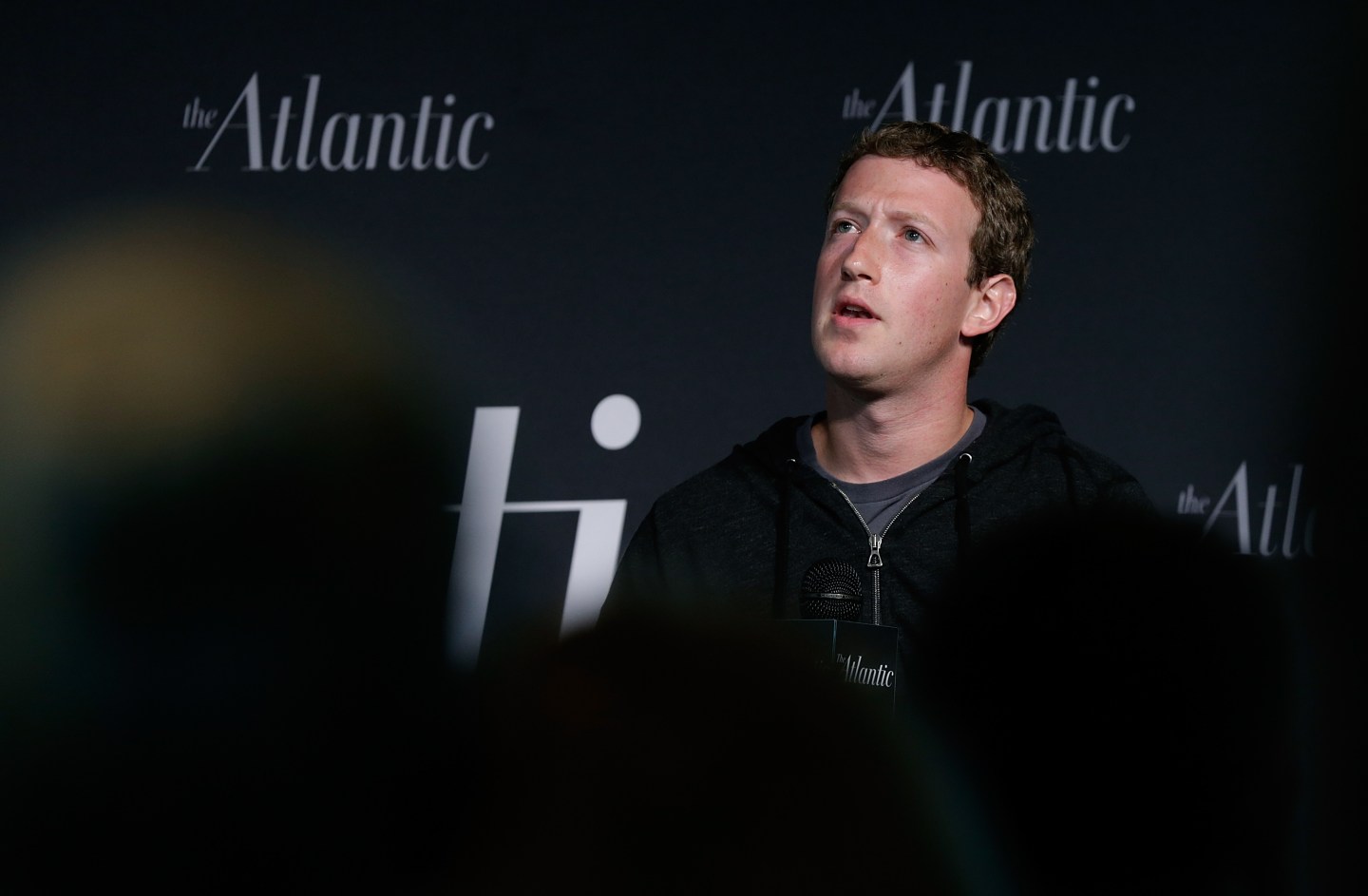
Who Owns Facebook: The Hidden Power Behind the Social Media Giant
Who Owns Facebook: The Hidden Power Behind the Social Media Giant
Facebook operates as a subsidiary of Meta Platforms, Inc., a publicly traded company where founder Mark Zuckerberg maintains controlling power through a dual-class share structure. While institutional investors collectively own the majority of outstanding shares, Zuckerberg personally controls board appointments and major strategic decisions. This article examines the layered ownership structure, governance mechanisms, and regulatory pressures shaping one of the world’s most influential technology platforms.
The legal and financial architecture of Facebook’s ownership reflects a blend of public market dynamics and founder-centric control that distinguishes it from most conventional corporations. Understanding this structure requires looking beyond simple share percentages to examine voting rights, board composition, and the contractual arrangements that concentrate authority.
Meta Platforms reports its ownership composition through regulatory filings with the U.S. Securities and Exchange Commission, where institutional investors dominate the equity base. According to recent SEC filings, the largest shareholders typically include:
Vanguard Group
BlackRock
State Street Corporation
Fidelity Management and Research Company
These investment firms collectively hold billions of shares, but their influence is constrained by Zuckerberg’s unique voting structure.
The governance structure of Facebook diverges from standard corporate models through its dual-class share arrangement. This system assigns different voting rights to different share classes, creating a disparity between economic ownership and control.
Key elements of Facebook’s governance model include:
Class A shares, which trade publicly and carry one vote per share
Class B shares, held primarily by founders and insiders, with ten votes per share
A shareholders’ agreement that consolidates power among founder-group shareholders
This structure allows Zuckerberg to maintain decisive influence despite potentially shrinking equity percentage. As legal scholar Larry Ribstein noted, “The dual-class system enables founders to preserve vision continuity but raises legitimate concerns about accountability.”
Mark Zuckerberg’s journey from Harvard dorm room to digital sovereignty illustrates how founder vision can translate into lasting corporate control. Facebook’s evolution from a college networking site to a global platform demonstrates how initial private decisions shaped institutions that now regulate speech, commerce, and political discourse.
Critical moments in Facebook’s ownership narrative include:
The 2012 initial public offering, which diluted Zuckerberg’s voting power while maintaining control
The 2016 election interference controversy, triggering regulatory scrutiny
The 2018-Cambridge Analytica data breach, exposing governance vulnerabilities
The 2021 rebranding to Meta, signaling continued investment in emerging technologies
Each episode tested the resilience of Facebook’s ownership model and exposed tensions between shareholder interests and founder prerogatives.
The concentration of power in Facebook’s ownership structure creates unique dynamics between stakeholders. While institutional investors provide capital, Zuckerberg’s control over board appointments and strategic direction limits their influence on day-to-day operations and long-term vision.
This power imbalance manifests in several ways:
Board composition heavily favors founder-approved candidates
Executive compensation packages require minimal board oversight
Major strategic pivots can proceed without shareholder approval
Proxy advisory firms have limited leverage in uncontested elections
The arrangement raises questions about corporate governance norms in the technology sector.
Facebook’s ownership structure exists within an evolving regulatory landscape that may reshape future corporate governance. Antitrust investigations, privacy legislation, and shareholder activism campaigns increasingly challenge the traditional founder-controlled model that has defined tech giants.
Potential regulatory interventions include:
Proposals to ban dual-class structures in initial public offerings
Requirement for sunset clauses on enhanced voting rights
Increased disclosure obligations regarding political spending and content moderation
Antitrust actions that could force structural changes in corporate organization
These developments suggest that Facebook’s ownership model may face significant transformation in the coming years.
The question of who owns Facebook extends beyond legal title to address deeper questions about digital democracy and corporate power in the information age. As platforms become increasingly central to public life, the concentration of control in founder-class shares demands ongoing scrutiny from regulators, users, and corporate governance specialists.
The future of Facebook’s ownership structure will likely reflect broader tensions between innovation incentives and democratic accountability. Balancing founder vision with stakeholder interests remains central to maintaining legitimacy in an increasingly interconnected world.
Related Post
Who Owns Facebook? Unpacking the Corporate Architecture Behind the Meta Empire