Why a Buccal Swab Should Not Cause Bleeding: Understanding the Procedure and Tissue Safety
Why a Buccal Swab Should Not Cause Bleeding: Understanding the Procedure and Tissue Safety
A buccal swab is a routine, non-invasive procedure used to collect cells from the inside of the cheek for DNA analysis. When performed correctly, it should not cause bleeding, significant pain, or lasting discomfort. This article explains the biological reasons why a buccal swab is designed to be safe, the factors that can lead to bleeding if it occurs, and best practices to ensure a painless experience.
The buccal mucosa, the soft lining of the inner cheek, is composed of stratified squamous epithelial tissue. This tissue is specifically designed to be a flexible, protective barrier that withstands everyday friction from chewing and speaking. Because of its resilience and rich blood supply, it heals quickly and is less prone to significant injury compared to thinner, more fragile tissues elsewhere in the body.
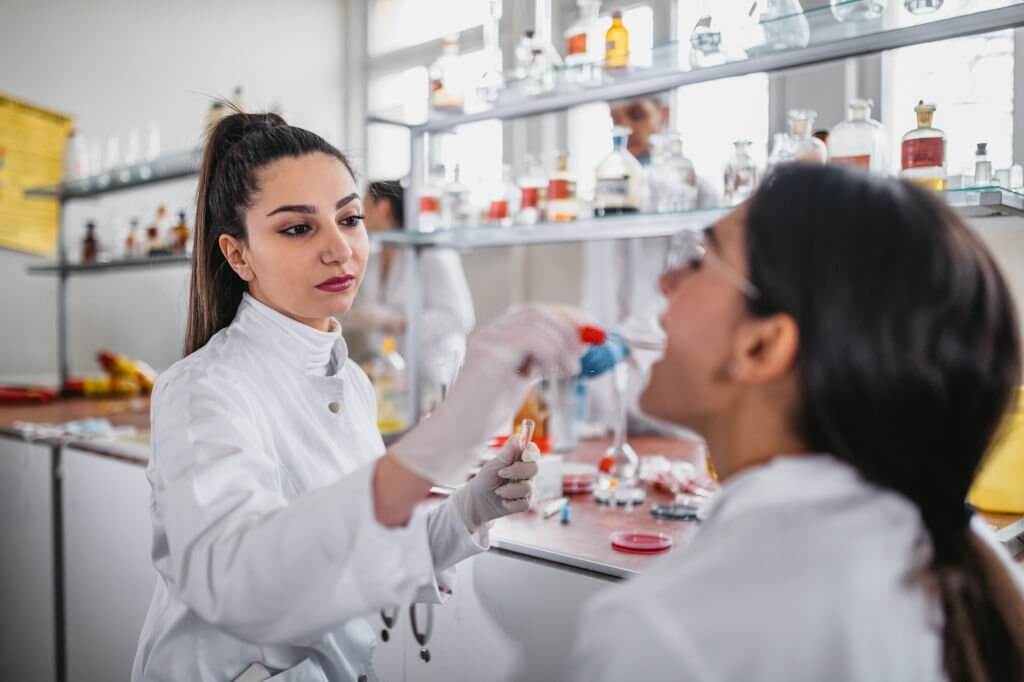
DNA testing laboratories and medical guidelines emphasize that the goal of a buccal swab is to collect a sufficient number of epithelial cells without penetrating deeper tissues. The procedure involves gently rubbing the swab against the inner cheek wall for a few seconds. This action is intended to dislodge surface cells, which are then absorbed onto the specially designed collection matrix. When executed properly, this action is no more invasive than brushing the inside of the mouth.
Because the swab does not break the skin or cut through tissue layers, the risk of bleeding is extremely low. The cells collected are from the outermost layer of the mucosa, which is constantly shed and renewed. Medical professionals state that this method is one of the safest ways to obtain genetic material.
Anatomy of the Buccal Mucosa
Understanding why the buccal swab is safe requires a look at the biological structure of the area. The inner cheek is lined with a mucous membrane that serves multiple protective functions.
The mucosa is composed of several layers:
1. The outermost layer is the epithelium, which acts as a tough, protective shield.
2. Beneath the epithelium is the lamina propria, a layer of connective tissue that contains blood vessels and immune cells.
3. The submucosa lies deeper, providing structural support.
When a swab is used correctly, it only contacts the stratified squamous epithelium. This layer is keratinized or parakeratinized, meaning it is dense and designed to endure mechanical stress. Because the cells are bonded together by desmosomes, they resist easy detachment unless a deliberate scraping action is applied. The gentle friction of a swab is enough to collect loose surface cells without disrupting the vascular network below.
If a swab were to draw blood, it would imply that the epithelium has been penetrated to the point of damaging the papillary dermis or underlying capillaries. This is not the intended mechanism of the procedure and is usually the result of user error or excessive force.
Correct Technique Prevents Trauma
The difference between a safe, painless swab and one that causes discomfort or bleeding often comes down to technique. Whether the swab is being self-administered or by a professional, certain principles must be followed.
Key aspects of correct technique include:
- **Avoiding force**: The swab should be rubbed gently against the cheek. There is no need to press hard against the tissue.
- **Staying clear of obstacles**: The swab should avoid contact with teeth, gums, and the tongue to prevent accidental biting or abrasion.
- **Timing the collection**: The individual should avoid eating, drinking, smoking, or chewing gum for at least 30 minutes prior to the procedure. This ensures the mouth is clean and reduces the risk of irritation from foreign substances.
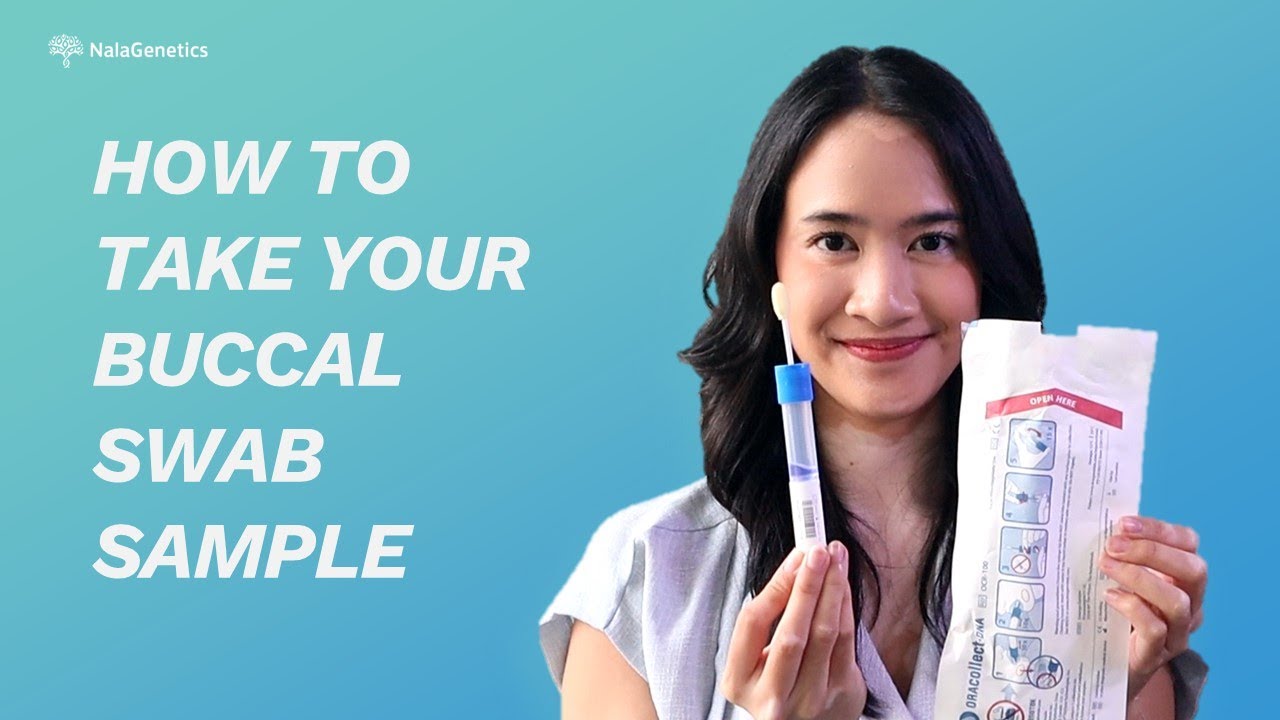
DNA paternity testing companies often include detailed illustrated instructions with their kits. These guides are designed to walk the user through the process in a way that minimizes the risk of trauma. The instructions typically advise the user to "firmly rub the swab against the inside of the cheek" rather than "probe" or "dig" for cells.
When Bleeding Might Occur (And Why It’s Not Normal)
While a properly performed buccal swab should not cause bleeding, there are specific scenarios where minor oozing might happen. These scenarios usually involve biological vulnerabilities or procedural mistakes rather than the inherent danger of the swab itself.
Potential causes of bleeding include:
- **Pre-existing conditions**: Individuals with bleeding disorders, such as hemophilia, or those on anticoagulant medication may experience longer bleeding times from any mucosal irritation.
- **Gum disease or infections**: Gingivitis or periodontal disease can cause the gums to become inflamed and friable. If the swab accidentally contacts these sensitive areas, it might draw a small amount of blood.
- **Rough handling**: If the swab is jammed forcefully into the cheek or used aggressively, it can scrape the skin. This is akin to scraping a knee—it will bleed until the barrier reforms.
- **Dry mucosa**: A dehydrated mouth may have tissues that are slightly more brittle, increasing the friction coefficient during swabbing.
It is important to note that even if a tiny amount of blood mixes with the saliva, it does not necessarily invalidate the DNA sample. Modern forensic and paternity testing techniques can filter out blood cells and isolate the genetic material required for analysis. However, persistent bleeding after the procedure is not typical and may indicate that the mucosa was damaged.
Best Practices for a Painless Experience
To ensure the buccal swab procedure remains a standard of safety, specific protocols are recommended for both professionals and individuals collecting their own samples.
For professionals administering the swab:
1. **Explain the process**: Demystifying the procedure can reduce patient anxiety, which often contributes to tensing of the muscles and accidental biting.
2. **Provide a mirror**: Allowing the subject to see the inside of their mouth can help them avoid biting the swab.
3. **Use high-quality tools**: Swabs with flexible shafts and soft, flocked tips are less likely to scratch the mucosa.
For individuals collecting their own sample:
1. **Hydrate**: Drink water before the procedure to keep the tissues supple.
2. **Brush teeth first**: This removes food debris and reduces the bacterial load, making the collection cleaner.
3. **Open wide gently**: Use the thumb and index finger to gently pull down the cheek rather than stretching it aggressively.
4. **Rotate the swab**: If the kit requires multiple samples, rotate the swab to a dry section rather than folding it or reusing the same wet spot.
The Role of Quality Control in Safety
Manufacturers of buccal swab kits invest significant research into material science to ensure the product is biocompatible. The fibers used in modern swabs are designed to maximize cell collection while minimizing the coefficient of friction.
According to industry standards, the materials used must be non-toxic and non-reactive. They are tested to ensure they do not cause allergic reactions or cytotoxicity. The goal is to create a tool that feels like a soft cotton bud rather than a medical instrument.
Regulatory bodies, such as the FDA or CE marking authorities, review these kits to ensure they meet safety criteria. Because the buccal swab is a non-surgical, non-invasive device, the threshold for safety is high, and manufacturers must prove that the product poses minimal risk to the end user.
In summary, the buccal swab procedure is a cornerstone of non-invasive genetic testing precisely because it is safe. It leverages the natural biology of the cheek lining, which is robust enough to provide a sample without being damaged. When users adhere to proper guidelines, the procedure should be a simple, quick, and entirely blood-free process.
Related Post

No Bleeding, No Problem: The Science Behind Why Buccal Swabbing Stays Gentle and Effective

Why a Buccal Swab Proves Almost Bleeding-Free: The Science Behind Safe, Painless Sample Collection
Why Buccal Swab Testing Slashes Bleeding Risk—Here’s Why the Buccl Swabs-Bylor Protocol Stands Tall
Buccal Swabs: Why They Don’t Bleed—Unlocking Superior Accuracy in CM Testing Bylor


