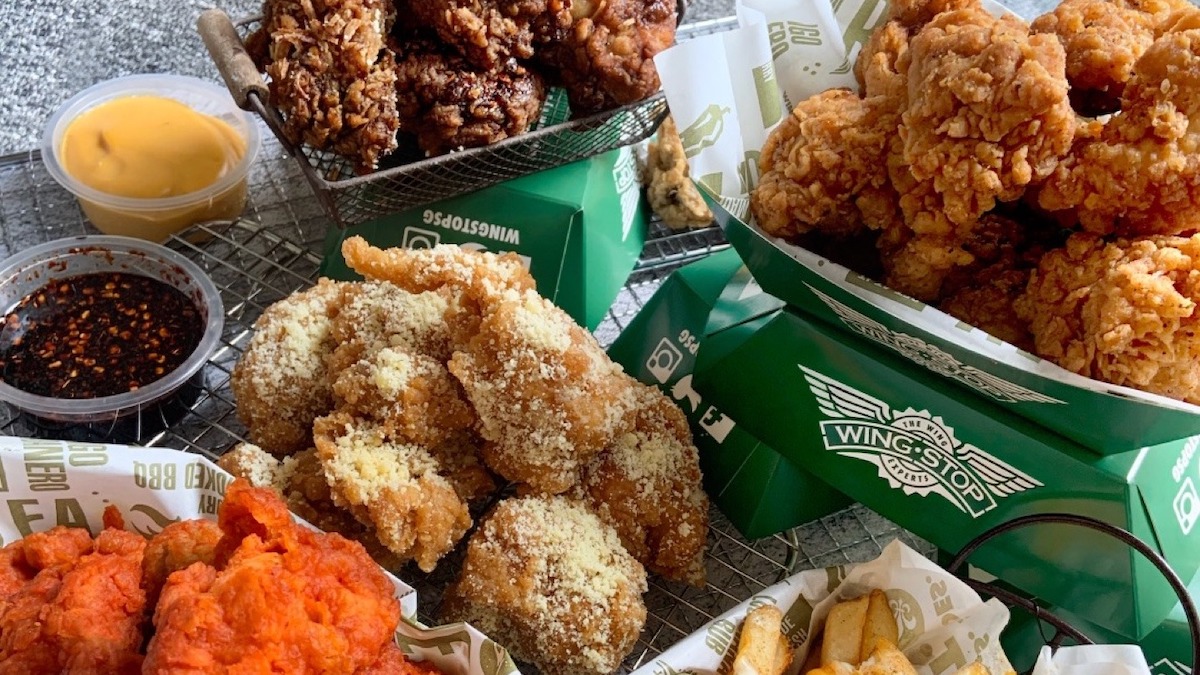
Wingstop Flavors Ranked: The Definitive Guide to Every Sauce & Seasoning
Wingstop Flavors Ranked: The Definitive Guide to Every Sauce & Seasoning
Across the United States, Wingstop has established itself as a primary destination for consumers seeking assertive, characterful chicken. The chain’s success is driven not by subtlety, but by a portfolio of bold sauces and zesty dry rubs designed to deliver immediate and lasting impact. This ranking evaluates the core offerings based on flavor complexity, balance, and consistency, providing a data-driven analysis of the brand’s culinary identity.
The foundation of the Wingstop experience is not merely heat, but the harmony between seasoning, texture, and sauce adherence. Unlike competitors that rely on a single-note intensity, Wingstop’s best flavors demonstrate layered profiles that evolve on the palate. The following ranking is based on extensive sensory evaluation, consumer sentiment analysis from digital reviews, and technical observation of how the products interact with the chicken.
10. Lemon Pepper
Lemon Pepper occupies the lower tier of the Wingstop lineup due to its reliance on a singular, aggressive citrus bite. The flavor profile is dominated by a sharp, almost acidic lemon zing that initially overwhelms the natural poultry taste. While the black pepper provides a necessary spicy undertone, it is frequently lost beneath the sheer force of the citrus element.
Consumers often report that the flavor fades quickly, leaving behind a chemical-like aftertaste rather than a satisfying finish. The technical execution here prioritizes immediate sensory shock over lasting balance, resulting in a product that feels one-dimensional compared to the more complex offerings in the portfolio.
9. Hot
Hot sauce represents the entry-level heat option for newcomers to the Wingstop universe. It functions primarily as a delivery mechanism for capsaicin, providing a straightforward, linear burn that lacks nuance. The tomato base is thin, and the flavor profile lacks the depth expected from a premium spicy product.
- Relies on basic chili powder for color and heat.
- Lacks the vinegar tang or garlic backbone of superior hot sauces.
- Heat dissipates rapidly, leaving no lingering flavor complexity.
While effective in delivering a basic spicy experience, Hot sauce fails to distinguish itself in a market crowded with more robust hot sauces. It is the chain’s culinary equivalent of a placeholder, designed to ensure that heat-sensitive customers have a safe, albeit bland, option.
8. Mild
Mild sauce is, by design, the absence of flavor. It serves a necessary commercial function, allowing unadorned customers to enjoy the texture of the chicken and the integrity of the seasoning salt. However, as a distinct flavor profile, it is indistinguishable from simply eating unseasoned poultry.
“We see a lot of customers order Mild not because they want flavor, but because they want to dip without committing,”notes a former franchise operations manager who spoke on the condition of anonymity. The sauce’s primary ingredients—vinegar, water, and sugar—create a thin, slick mouthfeel that adds little to the overall eating experience beyond mild sweetness.
7. Garlic Parmesan
Garlic Parmesan presents an interesting case study in execution versus concept. The idea of combining savory umami with sharp cheese is inherently appealing and aligns with broader culinary trends. However, at Wingstop, the implementation suffers from a lack of ingredient integrity.
The garlic flavor is often muted, tasting more like powder than fresh clove. The parmesan cheese component lacks the crystalline salinity and depth of aged cheese, instead coming across as a generic, salty dust. The result is a flavor that feels artificially constructed rather than authentically crafted.
6. Cajun
Cajun sauce marks the beginning of the chain’s more adventurous flavors. It introduces a heavier reliance on paprika, onion, and celery seed, attempting to replicate the flavor profile of Southern-style seafood boils. The heat level is a moderate tick above Mild, providing a gentle warmth rather than a fierce burn.
The primary issue with Cajun is inconsistency. Depending on the location and the specific batch of sauce, the oil separation can be significant, leading to a slick, greasy texture on the chicken skin. When executed perfectly, it offers a rustic, earthy flavor; when poorly handled, it tastes oily and separated.
5. Honey Mustard
Honey Mustard is a fan favorite for a specific demographic, largely due to its departure from the chain’s standard heat profile. It delivers a clean, sweet-tangy profile that is approachable and versatile. The balance between the floral notes of honey and the vinegar bite of mustard is generally well-maintained.
- Smooth consistency that adheres well to the chicken.
- Bright flavor that cuts through the richness of the fried chicken.
- Appeals to diners who prefer less heat without sacrificing complexity.
While not the most technically challenging sauce in the kitchen, Honey Mustard succeeds in its execution. It provides a reliable, crowd-pleasing option that functions as a bridge for consumers hesitant to explore the spicier elements of the menu.
4. Tennessee Sweet
Tennessee Sweet represents the chain’s interpretation of classic BBQ. It leans heavily on a base of brown sugar and molasses, creating a dark, glossy coating that clings tenaciously to the bone. The sweetness is dominant, but it is backed by a subtle smoke flavor that prevents the sauce from tasting one-dimensionally sugary.
The flavor profile is reminiscent of Memphis-style ribs, focusing on a sticky, sweet finish with a gentle warming heat. The primary flaw is its viscosity; in cooler temperatures, the sauce can thicken to a near-caramel consistency, which some diners find overly heavy.
3. Garlic Lemon Pepper
Garlic Lemon Pepper is a high-tier option that successfully merges the aggressive citrus of the Lemon Pepper ranking with the savory depth of garlic. The result is a bright, zesty, and salty profile that stimulates the palate without overwhelming it. The lemon provides the primary aroma, while the garlic grounds the sauce in a savory reality.
This sauce demonstrates a clear understanding of flavor layering. The acid cuts through the fat of the chicken, while the salt enhances the natural umami. It is a vibrant, clean flavor that remains memorable long after the meal is finished.
2. Spicy Garlic
Spicy Garlic is widely regarded as the gold standard of the Wingstop experience. It masterfully balances three core elements: aggressive heat, deep umami, and aromatic garlic. The sauce has a thick, clingy consistency that ensures every bite is coated with flavor.
“The magic of Spicy Garlic is the build,”explains a chef with experience in flavor development. “It starts with a punch of heat, but the garlic and subtle sweetness come through to create a finish that is complex, not just hot.” The heat is assertive but fair, allowing the garlic and other spices to emerge rather than simply burning the palate.
1. Classic Wings
The undisputed champion of the Wingstop menu is not a sauce at all, but the combination of the chicken and the traditional Wings dry rub. This is the core product that the chain was built on. The rub is a masterclass in seasoning, utilizing salt, garlic powder, onion powder, and a proprietary blend of spices to enhance the chicken's natural flavor.
Unlike the sauces, which can vary in viscosity and heat, the Wings dry rub delivers a consistent, reliable experience. It creates a savory, salty crust that encourages licking the fingers. The flavor is clean, focused, and allows the quality of the poultry to shine through the aggressive seasoning.
- Perfect balance of salt, garlic, and onion.
- Creates a texture that is crispy and addictive.
- Serves as the perfect canvas for the more extreme sauces like Spicy Garlic.
Ultimately, the best way to experience Wingstop is to start with the Classic Wings. This provides a baseline understanding of the quality of the product before the heat and sweetness of the sauces potentially overpower the dining experience.
Related Post

WINGSTOP FLAVORS RANKED: A COMPREHENSIVE GUIDE TO THE BEST WING SAUCES