Zillow Home Value Decoded: How ZESTimates Shape Markets, Mislead Buyers, and Define Your Biggest Asset
Zillow Home Value Decoded: How ZESTimates Shape Markets, Mislead Buyers, and Define Your Biggest Asset
Across the United States, homeowners and prospective buyers begin their day by checking a number: the Zillow Home Value, or Zestimate. Generated by Zillow’s proprietary algorithm, this figure is intended to offer a data-driven snapshot of property worth, yet it often sparks confusion and debate. In reality, the Zestimate is a sophisticated approximation shaped by public data, regional market dynamics, and evolving modeling techniques. This article explains what drives Zillow Home Value estimates, where they fall short, and how to use them responsibly when making real-world decisions.
The Zestimate is a trademarked valuation model that uses machine learning to analyze millions of data points and produce a single estimated value for a specific property. According to Zillow, the national median error rate for homes not purchased or sold in the prior 12 months is approximately 1.9 percent, though accuracy varies significantly by location and data availability. Unlike a formal appraisal, which involves a licensed professional physically inspecting the home, the Zestimate relies on tax and assessor records, prior sales history, and characteristics pulled from public databases. Because it is updated continuously as new information becomes available, the figure can fluctuate from week to week without any change to the underlying property.
Understanding how the Zestimate is calculated begins with recognizing the distinction between public data and proprietary adjustments. Zillow pulls information such as square footage, lot size, number of bedrooms and bathrooms, year built, and recent sales comps from municipal records and multiple listing services. The algorithm then applies adjustments for features like renovations, remodels, and condition, drawing on patterns learned from millions of comparable transactions. In markets with limited data, particularly rural or rapidly developing areas, the model may rely more heavily on neighboring property characteristics, which can reduce precision. The result is a statistical estimate rather than a direct measurement, and the underlying code is not disclosed to the public, limiting independent verification.
Industry professionals emphasize that while the Zestimate can be a useful starting point, it should never replace professional judgment. "A Zestimate is a point estimate, not a range, and it does not capture the nuances of a specific property’s condition, upgrades, or neighborhood micro-markets," says a veteran residential appraiser who requested anonymity due to company policy. Real estate agents often refer clients to the Zestimate as a conversation starter, but they stress that comparative market analyses they prepare are based on active listings, recent closed sales, and nuanced adjustments that only an experienced human can make. For example, a kitchen remodel captured in public permits may be reflected in the Zestimate, but the quality of that work, the materials used, and the layout’s appeal to buyers are far harder for any automated system to quantify accurately.
Buyers, in particular, must tread carefully when interpreting Zillow Home Value numbers during the offer process. Some purchasers assume that the Zestimate represents what they should be willing to pay, but this can be misleading in competitive markets where properties sell above asking price. Lenders, on the other hand, typically order independent appraisals to ensure that the loan amount does not exceed the property’s fair market value, and these formal valuations follow strict federal guidelines. Appraisers focus on objective factors such as the condition of major systems, structural integrity, and adherence to local building codes, whereas the Zestimate cannot directly account for these elements. As a result, discrepancies between an offer price and the Zestimate are common, and buyers who rely solely on the automated number risk either overpaying or losing out on desired properties.
Sellers also face both opportunities and risks when using Zillow Home Value as a pricing guide. Listing a home slightly above the Zestimate can create negotiating room, but if the gap is too large, it may deter offers and lead to stale listings. In some neighborhoods, properties that are consistently priced near or slightly below the Zestimate tend to attract more buyer interest and sell faster. However, renovation projects are not always rewarded equally in the Zestimate, as the algorithm may not fully capture the return on investment for certain improvements. Homeowners contemplating updates should consult with local agents who understand which renovations have the strongest impact on actual sale prices in their specific market, rather than assuming that a higher Zestimate will automatically justify a higher asking price.
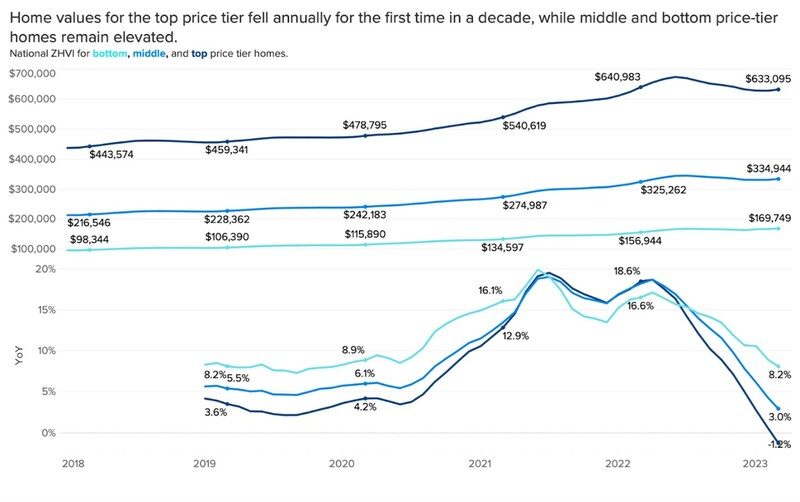
Beyond individual transactions, Zillow Home Value data plays a broader role in market analysis and economic research. Aggregated Zestimate trends are often cited in reports on housing affordability, inventory levels, and price appreciation, offering a near-real-time view of how values are shifting across the country. Researchers and policymakers use these insights to study the impact of interest rate changes, demographic shifts, and economic shocks on housing markets. At the same time, critics argue that the algorithm’s design and the commercial incentives behind Zillow’s iBuying operations can introduce subtle biases, such as favoring properties that are easier to value or more likely to be resold on the platform. Transparency limitations make it difficult to fully assess these systemic effects, underscoring the need to complement Zestimate data with a wide range of housing indicators.
For those looking to put Zillow Home Value into practical context, here are key guidelines to remember:
Treat the Zestimate as a reference point rather than a definitive value, and update it regularly to reflect the most recent data.
Compare Zestimates across similar properties in the same neighborhood to identify patterns, but prioritize location-specific insights from local experts.
Use the Zestimate alongside other metrics, such as price per square foot in recent comps, days on market, and inventory levels, to form a more complete picture.
Understand that valuation models differ, and other services may produce estimates that vary from Zillow’s figures depending on their methodologies and data sources.
Consult a qualified real estate professional or certified appraiser when making major financial decisions, such as buying, selling, refinancing, or disputing a valuation.
As data and machine learning continue to evolve, Zillow Home Value models will likely become more granular and responsive, incorporating new data streams and improving accuracy in underserved areas. Yet the human element of real estate—location, timing, personal preferences, and negotiation dynamics—will remain difficult to encode into any algorithm. By recognizing both the strengths and limitations of the Zestimate, consumers can use this powerful tool to complement their own research and expertise. In the end, the Zestimate is best understood not as a final verdict on a home’s worth, but as one piece of a much larger and more complex valuation puzzle.
Related Post
The Soaring Value of California Homes: A Comprehensive Analysis of Zillow Home Values