Arritmia: The Silent Disruptor – Identifying, Treating, and Living with Heart Rhythm Disorders
Arritmia: The Silent Disruptor – Identifying, Treating, and Living with Heart Rhythm Disorders
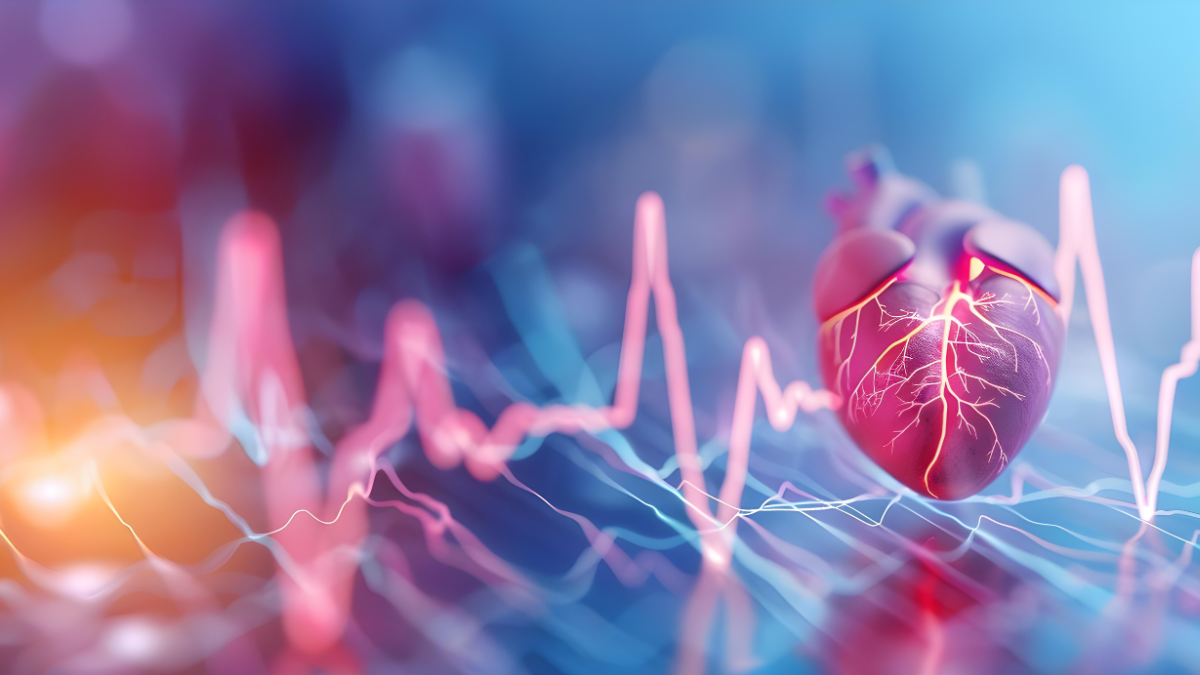
Arritmia, or heart arrhythmia, represents a disturbance in the normal electrical activity of the heart, leading to an irregular, too fast, or too slow heartbeat. This condition affects millions globally, ranging from benign episodes to life-threatening events that require immediate intervention. Understanding the mechanisms, risks, and management strategies is crucial for those diagnosed and for the broader public concerned about cardiovascular health.
The human heart functions as a sophisticated pump, driven by an intrinsic electrical system that coordinates the contraction of its chambers. Arritmia occurs when this system malfunctions, disrupting the harmonious rhythm essential for efficient blood circulation. The implications of such disruption vary widely, from causing noticeable symptoms like palpitations and dizziness to silently increasing the risk of stroke, heart failure, and sudden cardiac arrest. Medical science has made significant strides in deciphering the complexities of arritmia, offering a range of diagnostic tools and treatment options that enable individuals to manage the condition and maintain a good quality of life.
The spectrum of arritmia is broad, encompassing conditions that arise from either the atria or the ventricles, the heart’s upper and lower chambers, respectively. These malfunctions can manifest in various ways, primarily categorized by their rate and origin.
**Types of Arritmia**
* **Tachycardia:** This refers to a heart rate that is too fast, generally defined as exceeding 100 beats per minute while at rest. It originates from various locations:
* **Atrial Fibrillation (AFib):** The most common serious type, characterized by chaotic and rapid electrical signals in the atria. This leads to an ineffective contraction and quivering of the atria, significantly increasing the risk of blood clots forming.
* **Atrial Flutter:** Similar to AFib but with a more organized, rapid atrial rhythm. While often less chaotic than AFib, it carries similar stroke risks.
* **Supraventricular Tachycardia (SVT):** A group of arrhythmias that originate above the ventricles, often causing sudden episodes of a very fast heart rate.
* **Ventricular Tachycardia (VT):** A fast rhythm originating in the ventricles. This is a serious condition as it can prevent the heart from pumping blood effectively, potentially leading to cardiac arrest.
* **Bradycardia:** This is a heart rate that is too slow, typically defined as fewer than 60 beats per minute for most adults. While common and benign in healthy, well-conditioned athletes, it can be problematic if the heart does not pump enough oxygen-rich blood to the body. Causes can include issues with the heart's natural pacemaker, the sinoatrial (SA) node, or blockages in the heart's electrical pathways.
* **Premature Contractions:** These are early heartbeats that can feel like a fluttering or a skipped beat. They are often harmless and can be triggered by stress, caffeine, or lack of sleep. While usually not dangerous, frequent premature contractions may warrant medical evaluation.
The symptoms of arritmia are as varied as the conditions themselves. Some individuals may experience no symptoms at all, with the arrhythmia being detected incidentally during a routine physical examination. For others, the signs can be alarming and disruptive.
Common symptoms include:
* A fluttering sensation in the chest (palpitations)
* A racing or pounding heart (tachycardia)
* A slow or irregular heartbeat (bradycardia)
* Chest pain or pressure
* Shortness of breath
* Dizziness, lightheadedness, or fainting (syncope)
* Fatigue and weakness
* Anxiety or feeling close to panic
These symptoms occur because the irregular heartbeat can compromise the heart's ability to pump blood effectively, leading to reduced oxygen and nutrient delivery to the brain and other vital organs.
Diagnosing arritmia requires a thorough medical history and a series of specialized tests. The primary tool for assessing the heart's electrical activity is the electrocardiogram (ECG or EKG). This test records the heart's electrical signals and can often detect an arrhythmia during the brief period it is performed. However, because many arrhythmias come and go, a standard ECG might not always capture the event.
For this reason, longer-term monitoring is often necessary. **Holter monitors** are portable ECG devices worn for 24 to 48 hours, while **event recorders** can be used for weeks or even months, allowing patients to trigger a recording when they experience symptoms. More sophisticated options include **implantable loop recorders**, which are placed under the skin of the chest and continuously monitor the heart rhythm for extended periods, automatically recording data when an abnormal event is detected.
In some cases, a healthcare provider may recommend a **tilt table test** to evaluate fainting spells or an **electrophysiology study (EPS)**, an invasive procedure where thin tubes (catheters) are threaded to the heart to map its electrical pathways and provoke arrhythmias in a controlled setting. This detailed mapping is essential for planning complex treatments, such as catheter ablation.
The treatment for arritmia is highly individualized, depending on the type, severity, underlying cause, and the patient's overall health. The primary goals are to control the heart rate, restore a normal rhythm, prevent blood clots, and address any underlying conditions, such as high blood pressure or coronary artery disease.
**Treatment Options Include:**
1. **Lifestyle Modifications:** For some, particularly those with premature contractions or mild symptoms, simple changes can be effective. These may include reducing or eliminating caffeine and alcohol, managing stress through techniques like meditation or yoga, quitting smoking, and maintaining a healthy weight.
2. **Medications:** A wide array of drugs is available to manage arritmia. These include:
* **Antiarrhythmic drugs:** Such as amiodarone, sotalol, and flecainide, which work to restore and maintain a normal heart rhythm.
* **Rate-control medications:** Like beta-blockers (e.g., metoprolol) and calcium channel blockers (e.g., diltiazem), which slow the heart rate, particularly in cases of atrial fibrillation.
* **Anticoagulants:** Blood thinners like warfarin, apixaban, or rivaroxaban are often prescribed for patients with atrial fibrillation to reduce the risk of stroke caused by blood clots.
3. **Procedures and Devices:**
* **Cardioversion:** A procedure, often performed in a hospital, that uses an electric shock to reset the heart's rhythm to normal. It can be done externally or, in some cases, internally during a cardiac catheterization.
* **Catheter Ablation:** A minimally invasive procedure where a catheter is threaded to the heart to destroy (ablate) small areas of heart tissue that are causing the abnormal electrical signals. It is often highly effective for treating SVT, atrial fibrillation, and VT.
* **Implantable Cardioverter-Defibrillator (ICD):** A device similar to a pacemaker but capable of delivering a life-saving shock to the heart if it detects a dangerous ventricular arrhythmia, such as VT or ventricular fibrillation.
* **Pacemaker:** A device that is implanted to help control bradycardia by sending electrical impulses to ensure the heart maintains a sufficient rate.
Living with arritmia can be a source of anxiety, but with proper management, most individuals can lead full and active lives. The key is a strong partnership with a healthcare team, which may include a primary care physician, a cardiologist, and an electrophysiologist—a cardiologist specializing in heart rhythm disorders. Patients are encouraged to become knowledgeable about their condition, adhere to their treatment plans, and attend regular follow-up appointments to monitor their heart health.
Dr. John M. Miller, a leading cardiologist at a major academic medical center, emphasizes the importance of patient education. "Knowledge is power when it comes to arritmia," Dr. Miller states. "Understanding your specific diagnosis, the treatment options available, and the potential risks allows you to participate actively in your care and make informed decisions about your health." He further notes that advances in technology and procedure techniques continue to improve outcomes and quality of life for patients.
Ultimately, arritmia is a manageable medical condition. By recognizing the signs, seeking timely medical attention, and adhering to a personalized treatment plan, individuals can effectively control their heart rhythm and minimize the impact of the disorder on their daily lives. The journey begins with awareness and education, empowering patients to take control of their cardiac health.
Related Post
Arritmia Cardiaca: Silent Threat or Manageable Condition? Unveiling the Truth Behind Heart Rhythm Disorders

Rare and Lethal: Uncovering the Hidden Truths of Arritmia Cardiaca