SiriusXM at 20: How the Satellite Radio Giant Conquered Airwaves and Defined Modern Audio Entertainment
SiriusXM at 20: How the Satellite Radio Giant Conquered Airwaves and Defined Modern Audio Entertainment
From its humble beginnings as a merger of rival satellite radio services to its current status as a streaming audio powerhouse, SiriusXM has fundamentally reshaped how Americans consume music, talk, and sports content. This article explores the company's two-decade journey, examining its technological evolution, business model adaptations, and enduring cultural impact in an increasingly fragmented media landscape.
The Birth of a Dual Satellite Audio Revolution
The story of SiriusXM begins with two competing satellite radio companies whose merger created an industry giant. In 1990, the Federal Communications Commission allocated bandwidth for digital audio broadcasting via satellite, paving the way for what would become Sirius Satellite Radio and XM Satellite Radio.
Sirius launched first in 2001, offering commercial-free music channels and talk programming. XM followed later that same year with its own unique channel lineup and programming strategy. The two services operated separately for several years, creating redundant infrastructure and competing for the same subscriber base in what was then an untested market.
The turning point came in 2007 when the two companies announced their merger, creating SiriusXM Satellite Radio Holdings. This union combined Sirius' programming strengths with XM's technical infrastructure, creating a single entity with enough negotiating power to secure relationships with major automakers and content providers.
Technological Evolution and Platform Expansion
SiriusXM's initial success relied on dedicated satellite hardware installed in vehicles, homes, and portable devices. The company's proprietary radio units provided clear, static-free reception of dozens of channels across North America, free from the interference and signal degradation that plagued early satellite television services.
The Connected Car Revolution
As the automotive industry evolved, SiriusXM integrated directly into vehicle infotainment systems. This integration provided several advantages:
- Elimination of additional hardware requirements for consumers
- Seamless channel discovery and metadata display
- Integration with vehicle navigation and safety systems
- Automatic updates to channel lineups and software
Today, SiriusXM is embedded in more than 500 vehicle models, with partnerships extending from economy cars to luxury vehicles. The company's relationship with automakers has become increasingly strategic, with some manufacturers offering exclusive content or early access to new features.
The Streaming Transition
The most significant transformation in SiriusXM's history has been its pivot from satellite-based delivery to streaming. Initially viewed as a potential vulnerability as internet connectivity improved, this transition has become central to the company's growth strategy.
"We've evolved from a satellite radio company to a comprehensive audio entertainment platform," explains former SiriusXM CEO James E. Meyer. "The streaming transition has allowed us to reach audiences far beyond the limitations of satellite coverage while maintaining our core subscription business."
The SiriusXM app now provides access to the full channel lineup on smartphones, tablets, smart speakers, and computers. This shift has enabled the company to capture younger demographics who primarily consume media through digital platforms rather than traditional satellite receivers.
Content Strategy and Programming Portfolio
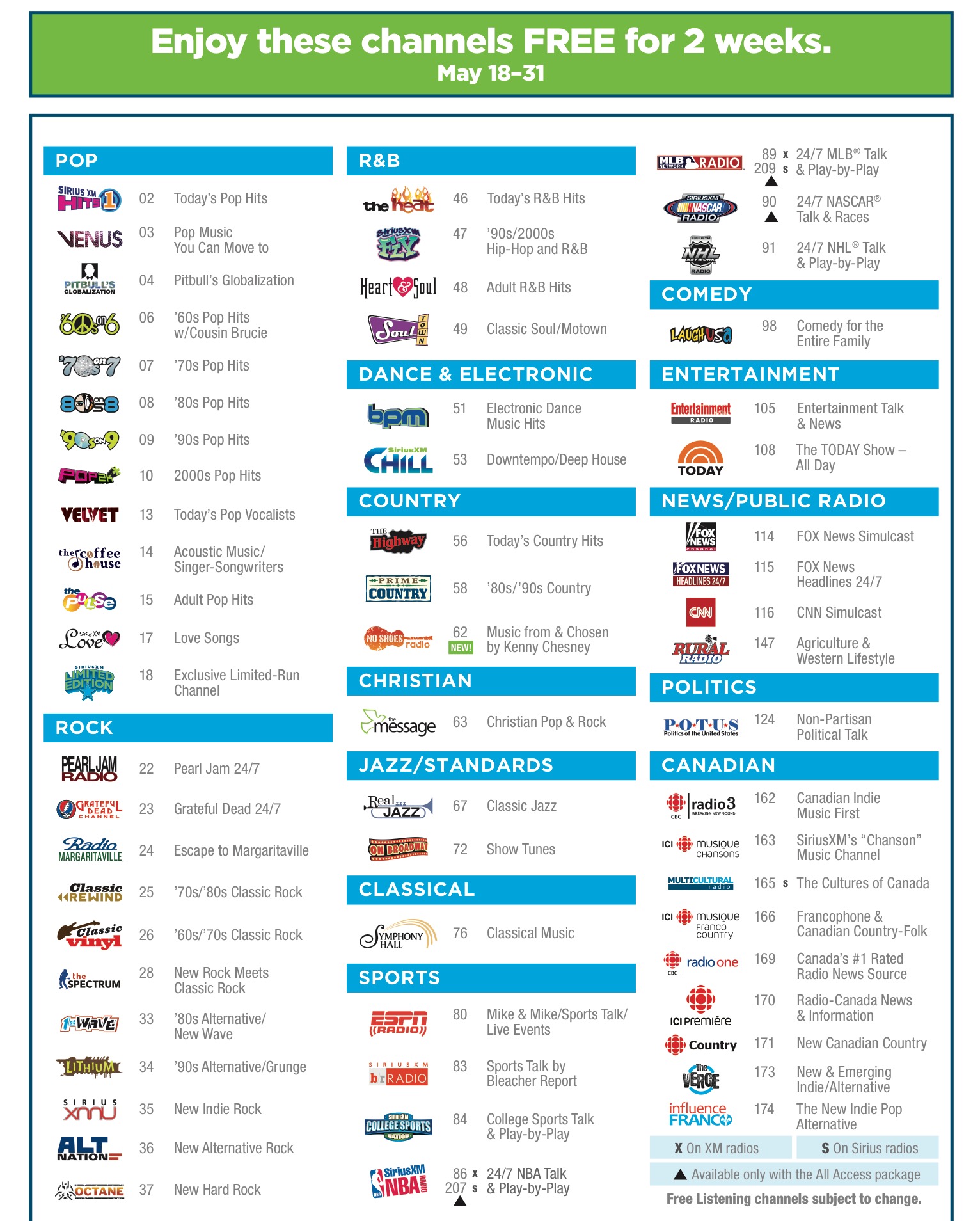
SiriusXM's content strategy balances exclusive programming with licensed content, creating a diverse ecosystem that appeals to various audience segments. The company operates more than 130 music channels spanning genres from mainstream pop to niche interests like classical, jazz, and electronica.
Original Content and Exclusive Programming
The company has invested heavily in original content production, creating programming that can't be found elsewhere. This includes:
- Talk shows hosted by prominent personalities from politics, entertainment, and sports
- Music countdown shows and artist-themed channels
- Specialized channels dedicated to specific decades or musical movements
- Live broadcasts of concerts and sporting events
- Partnership programming with media companies and celebrities
Howard Stern remains perhaps SiriusXM's most valuable original asset. The radio personality's move from terrestrial to satellite radio in 2006 represented a significant shift in the industry and helped establish SiriusXM's credibility as a premium content platform.
Sports Programming and Data Services
Sports broadcasting has become an increasingly important component of SiriusXM's portfolio. The company holds exclusive rights to broadcast numerous sporting events, including:
- MLB games, including exclusive broadcasts of out-of-market games
- NBA games, with play-by-play coverage of all contests
- NHL games, including team-specific channels for several franchises
- NFL coverage, including preseason games and Thursday night matchups
- NASCAR racing, with multiple channels dedicated to different series
The company also provides fantasy sports data and statistics to subscribers, creating additional value beyond traditional audio programming.
Business Model Adaptations and Market Challenges
SiriusXM operates primarily on a subscription-based model, with various tiers offering different levels of service. This approach has provided predictable revenue streams but has required constant adaptation to changing consumer preferences.
Revenue Diversification
To reduce reliance on monthly subscriptions, SiriusXM has developed multiple revenue streams:
- Initial hardware and installation fees in vehicles
- Monthly subscription tiers with different feature sets
- Commercial advertising on free-tier channels
- Partnership and sponsorship arrangements
- Data monetization through listener analytics
The company's advertising business has grown significantly, with carefully integrated commercials that don't disrupt the channel experience. This balanced approach allows SiriusXM to offer both ad-supported and premium commercial-free options.
Competitive Pressures and Industry Disruption
SiriusXM faces increasing competition from various sources:
- Free streaming services like Spotify and Pandora
- Podcast platforms offering on-demand content
- Traditional radio adapting with streaming capabilities
- Multimedia platforms incorporating audio content
Rather than viewing these as purely competitive threats, SiriusXM has sought integration opportunities. The company has partnered with various streaming services and explored ways to enhance rather than simply compete with emerging audio platforms.
Cultural Impact and Future Trajectory
Beyond financial metrics, SiriusXM has fundamentally altered American media consumption patterns. The service has created dedicated communities around specific music genres, provided a platform for political discourse, and brought entertainment to millions during commutes and long drives.
"SiriusXM represents the last bastion of appointment media in an on-demand world," notes media analyst Sarah Jenkins. "People know when their favorite shows are coming on, and that shared experience creates a unique cultural moment in increasingly fragmented media consumption."
Looking ahead, SiriusXM continues to invest in emerging technologies and content formats. The company has experimented with spatial audio, podcast network acquisitions, and integration with smart home devices. As the line between traditional radio, streaming, and podcasting continues to blur, SiriusXM's role as an audio content aggregator and curator becomes increasingly central to the media ecosystem.
The company's ability to balance its established subscription model with innovation in streaming technology and content creation will determine its continued relevance in the next chapter of audio entertainment.
Related Post
SiriusXM Radio: How the Pioneer of Satellite Audio Became the Last Bastion of Linear Broadcast in a Streaming World